Table of Contents
Discover the magic of crafting your own lemon vinaigrette dressing at home—a culinary staple that transforms ordinary salads into extraordinary meals. This vibrant, citrus-forward dressing combines the bright acidity of fresh lemon juice with quality oils and aromatic ingredients to create a versatile condiment that elevates any dish. Unlike store-bought versions laden with preservatives and excessive sodium, homemade lemon vinaigrette dressing offers you complete control over every ingredient, ensuring peak flavor and nutritional benefits. Whether you’re preparing a Mediterranean-inspired salad, marinating vegetables, or dressing roasted greens, this tangy vinaigrette recipe delivers restaurant-quality results in minutes.
Ingredients List
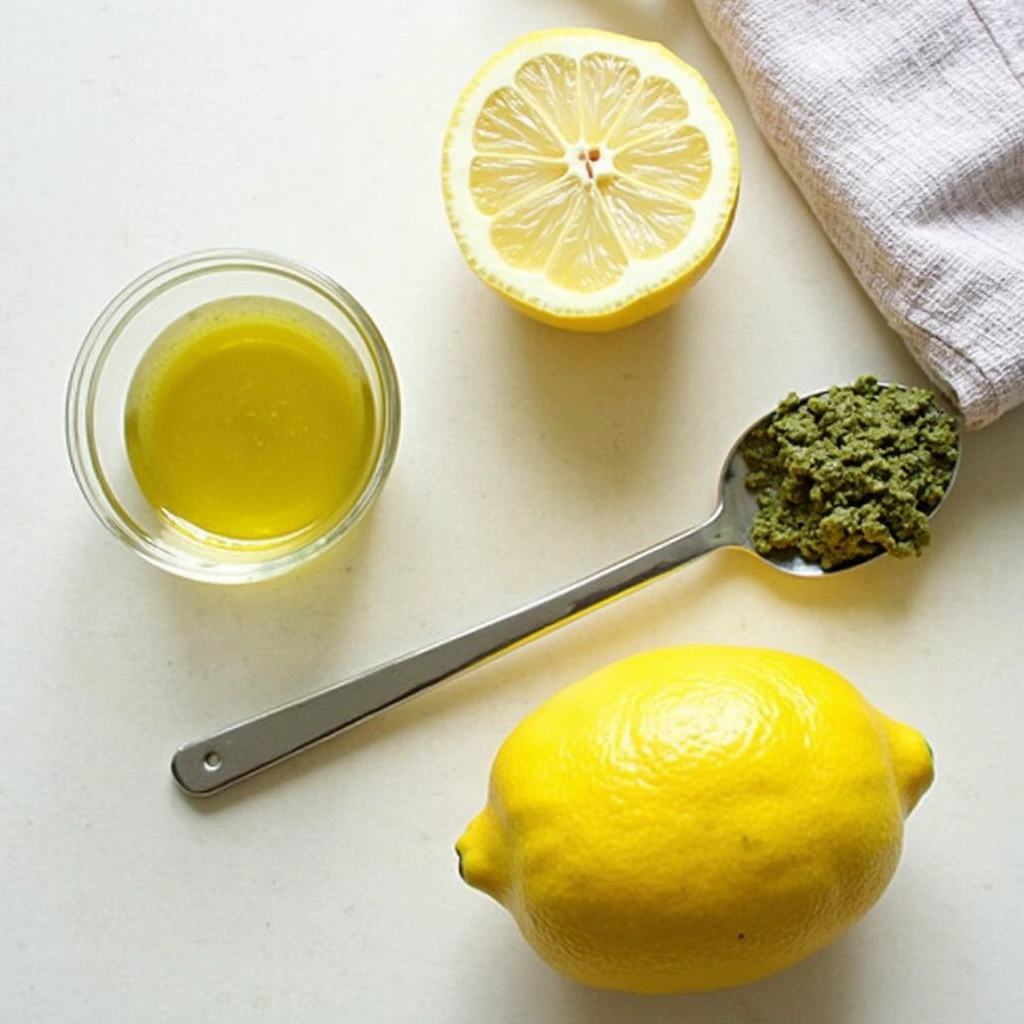
Creating the perfect lemon vinaigrette dressing starts with quality components. Here’s what you’ll need:
Core Ingredients:
- 3 tablespoons fresh lemon juice (approximately 1.5 large lemons)
- 1/4 cup extra virgin olive oil
- 1 tablespoon white wine vinegar or apple cider vinegar
- 1 teaspoon Dijon mustard
- 1 clove garlic, minced very finely
- 1 teaspoon honey or maple syrup
- Salt and black pepper to taste
- 1/2 teaspoon dried oregano (optional but recommended)
- Pinch of red pepper flakes (optional)
Smart Substitution Suggestions:
For a richer flavor profile, consider swapping the white wine vinegar for balsamic vinegar, though this slightly darkens your dressing. If you prefer a milder garlic intensity, substitute the fresh clove with 1/4 teaspoon garlic powder. Those following a plant-based diet can replace honey with agave nectar or pure maple syrup without compromising the emulsion. For nut-free alternatives, use avocado oil instead of olive oil—it provides similar richness with a more neutral taste. Lemon-sensitive palates may substitute half the lemon juice with lime juice for a different citrus dimension.
Timing
Preparation Time: 5 minutes Chilling Time: Optional, 10-15 minutes for flavor melding Total Time: 5-20 minutes depending on your preference
This lemon vinaigrette dressing requires approximately 60% less time than traditional salad dressings with warm components, making it perfect for busy weeknight dinners. The entire process, from gathering ingredients to storing your finished product, takes just five minutes of active work—roughly equivalent to brewing a cup of quality coffee.
Step-by-Step Instructions
Step 1: Prepare Your Citrus
Start by selecting a firm, bright yellow lemon at room temperature. Room-temperature citrus yields significantly more juice than refrigerated ones—sometimes up to 30% additional yield. Roll the lemon firmly across your counter while applying gentle pressure, then cut it in half. Using a citrus juicer or handheld press, extract the juice directly into a small bowl, catching seeds with a fine-mesh strainer. Freshly squeezed juice is non-negotiable; bottled lemon juice contains additives that compromise the vinaigrette’s clarity and brightness. Pro tip: Reserve a tiny piece of zest for garnishing your finished salad.
Step 2: Emulsify with Mustard
Add the minced garlic and Dijon mustard to your lemon juice. The mustard acts as a natural emulsifier, helping oils and acids bond smoothly rather than separating. Whisk these components together for approximately 30 seconds until the mixture becomes slightly frothy. This preliminary whisking activates the mustard’s emulsifying properties and distributes garlic evenly throughout your dressing.
Step 3: Incorporate the Sweet Element
Add your chosen sweetener—honey or maple syrup—to the mixture. The subtle sweetness balances the aggressive acidity of the lemon and vinegar, creating a more complex flavor profile that doesn’t taste sugary. Whisk thoroughly for another 20 seconds, ensuring the honey dissolves completely. This step prevents grittiness and allows sweetness to integrate seamlessly with acidic components.
Step 4: Slowly Stream in the Oil
This is the crucial step determining your dressing’s texture. While whisking continuously, add the extra virgin olive oil in an extremely slow, thin stream—drop by drop initially. This gradual incorporation creates an emulsion, similar to making mayonnaise. Once you’ve added approximately one-third of the oil and the mixture becomes noticeably thicker, you can increase the oil flow to a thin stream. Continue whisking until all oil is incorporated and your vinaigrette achieves a creamy, cohesive consistency.
Step 5: Season and Taste
Add salt and freshly ground black pepper, starting with 1/4 teaspoon of each. Taste your creation and adjust seasonings accordingly. Remember that dressing flavors intensify after resting, so err toward underseasoning initially. If using oregano and red pepper flakes, sprinkle them in and whisk thoroughly for final distribution.
Step 6: Final Consistency Check
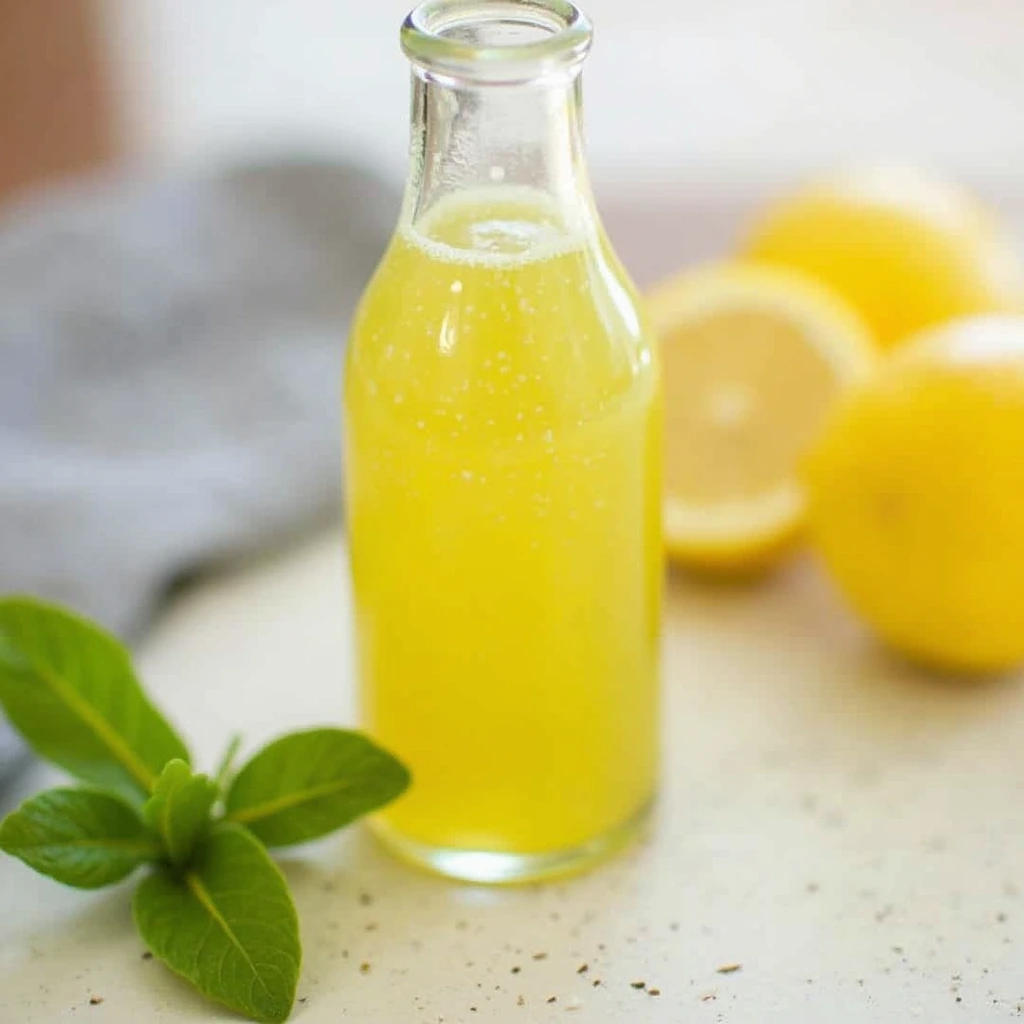
Your finished lemon vinaigrette dressing should coat the back of a spoon without running off immediately. If it’s too thick, whisk in water, one teaspoon at a time. If too thin, repeat the oil-incorporation process with additional olive oil. This final adjustment ensures your dressing performs beautifully on whatever application you choose.
Nutritional Information
Per 2-tablespoon serving (approximately 30ml):
- Calories: 95-105
-
Total Fat: 10.5g
- Saturated Fat: 1.5g
- Monounsaturated Fat: 7.8g
- Polyunsaturated Fat: 1.2g
- Carbohydrates: 2-3g
- Dietary Fiber: 0g
- Protein: 0.1g
- Sodium: 85-110mg (depending on salt quantity)
- Vitamin C: 8-10% Daily Value
- Vitamin E: 15-18% Daily Value
- Vitamin K: 5-7% Daily Value
Key Nutritional Insights: The extra virgin olive oil provides heart-healthy monounsaturated fats linked to cardiovascular benefits in numerous peer-reviewed studies. Fresh lemon juice delivers vitamin C, a powerful antioxidant supporting immune function. Dijon mustard contributes selenium, a mineral essential for thyroid health. This dressing contains zero added sugar when prepared as directed, making it suitable for low-carb and ketogenic dietary approaches.
Healthier Alternatives for the Recipe
Low-Fat Version: Replace half the olive oil with Greek yogurt or silken tofu. This reduces fat content by 40% while maintaining creamy texture and adding probiotic benefits from yogurt.
Herb-Infused Variation: Incorporate fresh herbs like basil, parsley, or tarragon during the final whisking stage. Fresh herbs add virtually no calories while boosting antioxidant content significantly.
Whole-Grain Mustard Enhancement: Substitute Dijon mustard with whole-grain mustard for added texture and slightly fewer additives. This variation offers increased fiber from mustard seeds.
Avocado-Based Alternative: For those seeking additional creaminess without dairy, blend half an avocado into the finished dressing. This adds healthy fats, fiber, and potassium while maintaining the tangy vinaigrette profile.
Vinegar Variations: Experiment with apple cider vinegar or red wine vinegar for different flavor dimensions while maintaining the healthy acid component that aids digestion.
Serving Suggestions
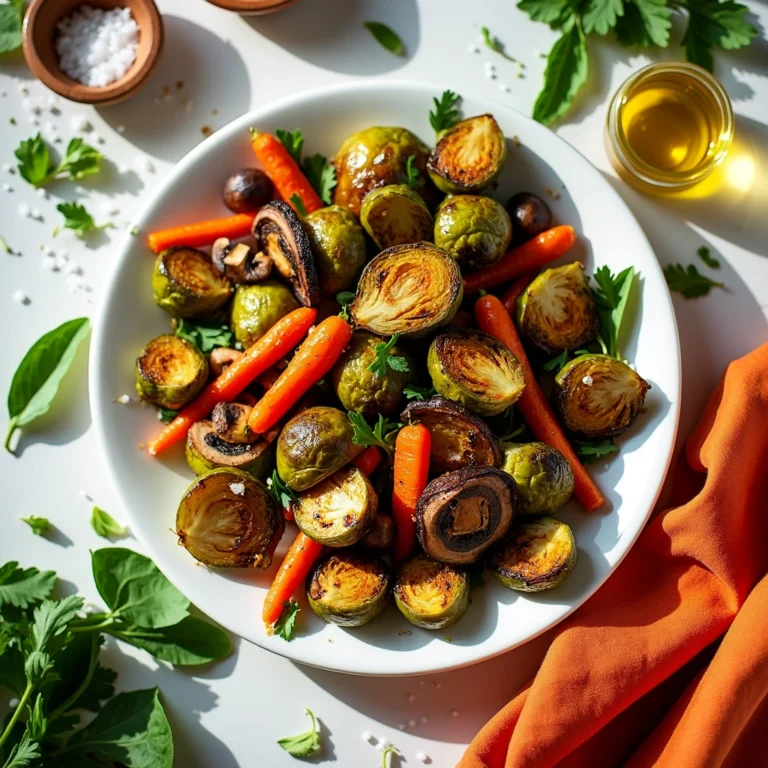
This versatile lemon vinaigrette dressing transcends simple salad applications. Drizzle it over grilled chicken breasts or baked salmon to impart brightness and moisture. Use it as a marinade for vegetable kebabs, allowing proteins and produce to absorb citrus flavors for 30-60 minutes before grilling. Pour it over warm roasted vegetables like zucchini, bell peppers, and eggplant while they’re still slightly warm—warmth opens vegetable pores, allowing deeper flavor penetration.
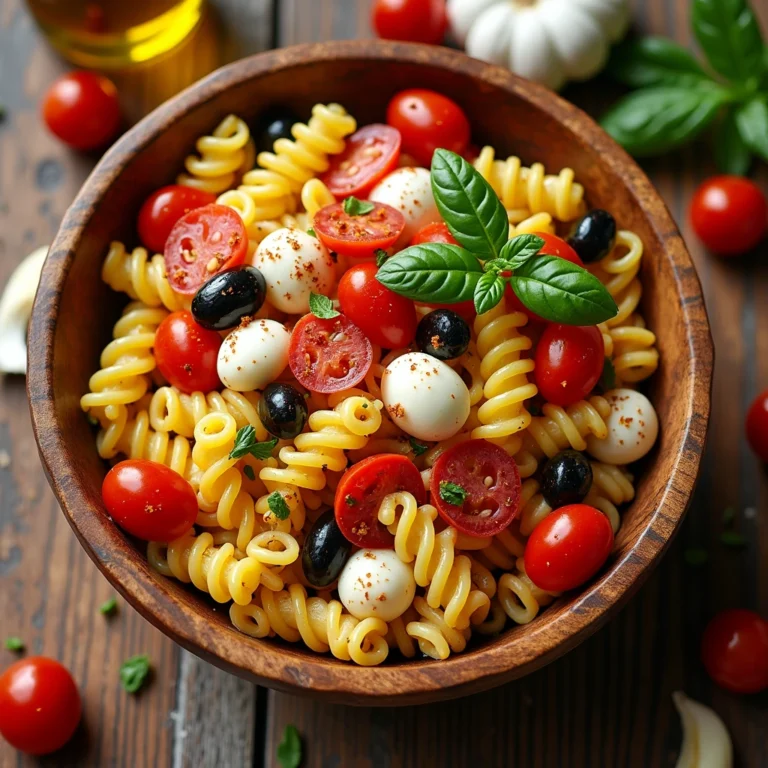
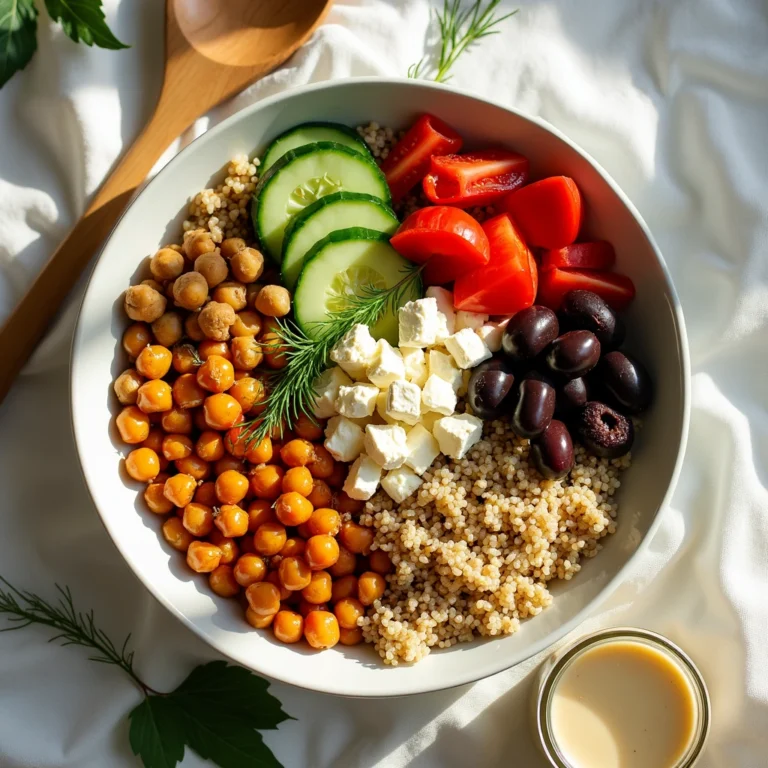
Create composed salads featuring baby spinach, shaved Parmesan, pine nuts, and crispy croutons dressed with your homemade lemon vinaigrette. Mediterranean-inspired variations might include chickpeas, cherry tomatoes, Kalamata olives, and crumbled feta cheese. For grain-based bowls, dress quinoa, farro, or barley with this vinaigrette while grains are still slightly warm to maximize flavor absorption.
Beyond salads, this dressing enhances steamed broccoli, roasted Brussels sprouts, and blanched green beans. Brush it on grilled bread for sophisticated crostini foundations or drizzle over fresh mozzarella and heirloom tomatoes for an elevated Caprese preparation.
Common Mistakes to Avoid
Mistake 1: Skipping Fresh Lemon Juice Bottled lemon juice contains sodium metabisulfite, a preservative that creates metallic undertones. Fresh lemon juice provides superior flavor clarity and brightness. Your dressing’s quality directly correlates to your juice’s freshness.
Mistake 2: Adding Oil Too Quickly Rushing the oil incorporation breaks the emulsion, resulting in separated, greasy dressing. Patient, drop-by-drop addition during initial stages ensures proper emulsification.
Mistake 3: Using Poor-Quality Olive Oil Extra virgin olive oil’s fruity, peppery notes define exceptional vinaigrette. Standard “olive oil” lacks these flavor compounds, producing flat, uninspiring dressing. Invest in quality.
Mistake 4: Insufficient Seasoning Under-seasoned dressing tastes sharp and unbalanced. Taste continuously while adjusting salt and pepper, remembering flavors intensify after resting.
Mistake 5: Neglecting Room Temperature Ingredients Cold ingredients resist emulsifying. Ensure all components, particularly eggs and oil, reach room temperature before combining.
Storing Tips for the Recipe
Properly stored lemon vinaigrette dressing maintains peak quality for 10-14 days when refrigerated in an airtight glass container. The acidic environment naturally preserves the dressing, inhibiting bacterial growth more effectively than creamy dressings containing mayonnaise or dairy products.
Storage Best Practices:
- Store in glass jars rather than plastic, which can absorb flavors and oils
- Keep away from direct sunlight and heat sources, which degrade flavor compounds
- Shake vigorously before each use, as separation is normal and doesn’t indicate spoilage
- Consider preparing weekly batches rather than larger quantities, as freshness gradually diminishes
- Never store alongside strong-smelling items, as oils absorb aromatic compounds readily
Make-Ahead Strategy: Prepare the acidic component (lemon juice, vinegar, mustard, garlic) ahead of time and store separately for 2-3 days. Add oil only when preparing your salad, ensuring maximum emulsion stability if precise texture matters for your application.
Conclusion
Mastering homemade lemon vinaigrette dressing transforms your culinary repertoire permanently. This simple yet sophisticated condiment requires only basic ingredients and five minutes of active preparation, delivering superior flavor to commercial alternatives while offering complete ingredient transparency. The bright, balanced profile complements countless dishes, from delicate salads to robust roasted vegetables. Start with the classic recipe, then experiment with variations reflecting your taste preferences and dietary needs. Your commitment to quality ingredients and proper technique guarantees impressive results that elevate everyday meals into special occasions.
We’d love to hear your experience! Try this lemon vinaigrette dressing recipe and share your feedback in our review section below. Did you discover a favorite variation? Have you created inspired dishes using this dressing? Leave your comments—we read and respond to every one. For more restaurant-quality recipes delivered directly to your inbox, subscribe to our newsletter today and receive exclusive weekly cooking tips, seasonal ingredient guides, and innovative recipe variations crafted specifically for our subscriber community.
Best Amazon Picks :
- “9.5” Nonstick Fluted Cake Pan, Carbon Steel.
- Amazon Basics 6-Piece Nonstick Bakeware Set.
- Sweejar Baking Pans Set.
FAQs
Q: Can I make lemon vinaigrette dressing without mustard? A: While mustard acts as an emulsifier, you can substitute it with 1/2 teaspoon of xanthan gum or use egg yolk instead. However, mustard is strongly recommended as it provides both emulsification and subtle flavor enhancement.
Q: How do I fix separated vinaigrette? A: Pour the separated dressing into a clean bowl, start with a fresh egg yolk or teaspoon of mustard, and whisk them together. Slowly drizzle the separated dressing into this new base while whisking continuously. This reconstitutes the emulsion effectively.
Q: Is this dressing suitable for cooked foods? A: Absolutely. It performs beautifully on warm roasted vegetables, grilled proteins, and warm grain bowls. The warmth actually enhances flavor absorption, creating more impactful taste experiences.
Q: Can I make this dressing without olive oil? A: Yes. Avocado oil, walnut oil, or even grapeseed oil work excellently. Each oil imparts different flavor notes—walnut oil adds earthiness, avocado oil provides mild flavor that doesn’t compete with lemon brightness.
Q: How do I prevent the garlic from overpowering the dressing? A: Mince garlic very finely and add it to the acidic components first, allowing lemon juice to slightly “cook” and mellow the raw garlic bite. For extremely mild garlic flavor, substitute with garlic-infused oil or powdered garlic instead.
Q: Does this dressing work for vegetable marinades? A: Yes, it’s exceptional for marinading vegetables before grilling or roasting. Use it for 30-60 minutes, allowing vegetables to absorb citrus flavors while remaining firm. The acid slightly breaks down vegetable cell walls, improving tenderness and flavor penetration.
Q: Can I batch-prepare this dressing for the week? A: Prepare the non-oil components and store separately for 3-4 days, adding fresh oil just before serving for optimal texture. Alternatively, make the complete dressing and shake vigorously before each use; separation doesn’t indicate spoilage in vinaigrette-style dressings.