When the temperature rises and outdoor gatherings become the highlight of your social calendar, summer dips and appetizers become the unsung heroes of any successful event. Whether you’re hosting a backyard barbecue, poolside party, or casual neighborhood get-together, these bite-sized delights set the tone for an unforgettable gathering. In this comprehensive guide, we’ll explore an impressive collection of refreshing appetizer dips and starter recipes that deliver bold flavors while keeping you cool in the kitchen. From creamy herb-infused dips to light vegetable-based spreads, we’ll show you how to create professional-quality summer appetizers that will have your guests reaching for seconds—and asking for your recipes.
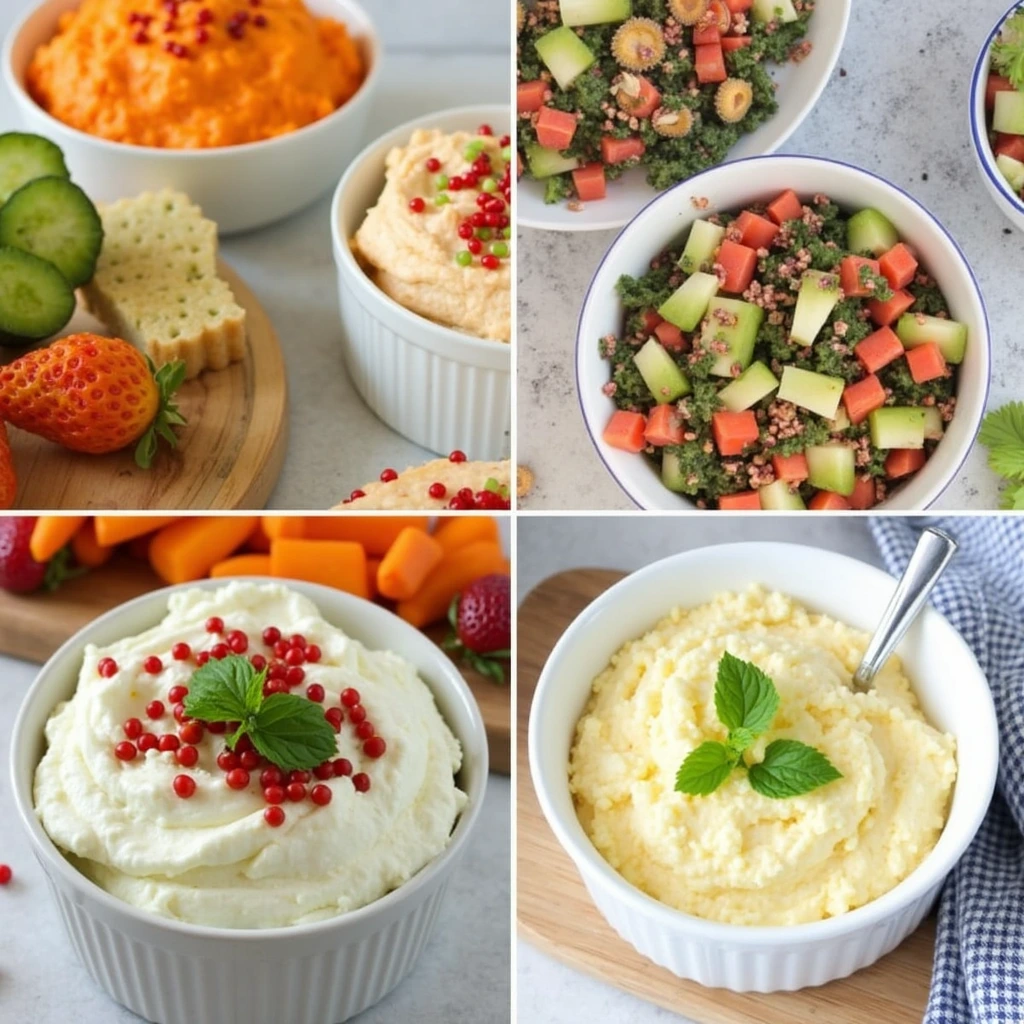
Top 5 Summer Dips and Appetizers to Master This Season
1. Herb-Garden Cream Cheese Dip with Crispy Vegetable Chips
Ingredients List:
- 8 oz cream cheese, softened to room temperature
- ½ cup fresh sour cream or Greek yogurt
- ¼ cup fresh dill, finely minced
- 2 tablespoons fresh chives, chopped
- 1 tablespoon fresh parsley, finely minced
- 2 cloves garlic, minced (or ½ teaspoon garlic powder for milder flavor)
- 1 tablespoon fresh lemon juice
- ½ teaspoon sea salt
- ¼ teaspoon cracked black pepper
- 2 tablespoons grated Parmesan cheese
- Optional: ½ teaspoon paprika for color and subtle smokiness
Ingredient Substitutions:
- Greek yogurt works beautifully as a lighter alternative to sour cream, reducing fat content by 30%
- Replace dill with tarragon or chervil for a sophisticated French-inspired twist
- Substitute parmesan with aged cheddar or Gruyère for a deeper, earthier profile
- Use roasted garlic instead of fresh for a mellower, sweeter garlic note
2. Mango Salsa with Cilantro and Lime
Ingredients List:
- 3 ripe mangoes, diced into ¼-inch cubes
- ½ red onion, finely minced
- 1 red bell pepper, diced small
- 1 jalapeño pepper, seeded and minced (adjust heat to preference)
- ¼ cup fresh cilantro, chopped
- 3 tablespoons fresh lime juice
- 1 teaspoon lime zest
- ¼ teaspoon sea salt
- ⅛ teaspoon white pepper
- Pinch of cumin (optional, adds warmth without heaviness)
Ingredient Substitutions:
- Papaya or pineapple can replace mango while maintaining tropical authenticity
- White onion offers a sharper bite; use 25% less than red onion
- Green serrano peppers provide fiercer heat than jalapeños
- Mint can complement or replace cilantro based on personal preference
3. Roasted Red Pepper and Walnut Muhammara
Ingredients List:
- 3 large roasted red peppers (or 1.5 cups jarred, drained)
- ¾ cup walnuts, toasted
- ⅓ cup panko breadcrumbs (or soaked day-old bread)
- 3 cloves garlic, minced
- 2 tablespoons pomegranate molasses
- 2 tablespoons red wine vinegar
- ¼ cup extra-virgin olive oil
- ½ teaspoon cayenne pepper
- ½ teaspoon cumin
- Salt and pepper to taste
- Optional garnish: pomegranate seeds and fresh parsley
Ingredient Substitutions:
- Pine nuts offer a buttery richness but cost 3x more; walnuts provide similar texture economically
- Pomegranate molasses can be replaced with 1 tablespoon vinegar + 1 teaspoon honey
- Crushed hazelnuts add an interesting nutty dimension
- Use roasted sunflower seeds for a nut-free alternative
4. Whipped Feta with Roasted Beets and Dill
Ingredients List:
- 8 oz feta cheese, crumbled
- 3 tablespoons Greek yogurt
- 1 tablespoon fresh dill
- 1 tablespoon lemon juice
- 1 clove garlic, minced
- 1 cup roasted beets, diced small
- 2 tablespoons extra-virgin olive oil
- ¼ teaspoon Aleppo pepper flakes
- Salt and white pepper to taste
- Fresh microgreens for garnish (optional)
Ingredient Substitutions:
- Goat cheese provides tanginess with a lighter texture
- Canned beets work in a pinch but roasting fresh beets provides superior earthiness
- Replace dill with mint or tarragon for botanical variety
- Use walnuts as a crunch element if desired
5. Avocado, Lime, and Cotija Cheese Dip
Ingredients List:
- 3 ripe avocados
- 2 tablespoons fresh lime juice
- 2 tablespoons finely diced red onion
- ¼ cup fresh cilantro, chopped
- 1 jalapeño, seeded and minced
- ½ cup Cotija cheese, crumbled
- 1 tablespoon extra-virgin olive oil
- Salt and freshly cracked pepper
- Optional: 2 tablespoons diced tomato for added moisture
Ingredient Substitutions:
- Queso fresco substitutes well for Cotija with slightly milder flavor
- Lime can be replaced with lemon for different acidic brightness
- Greek yogurt (2 tablespoons) prevents browning and adds creaminess
- Red pepper flakes substitute for jalapeño in heat-averse settings
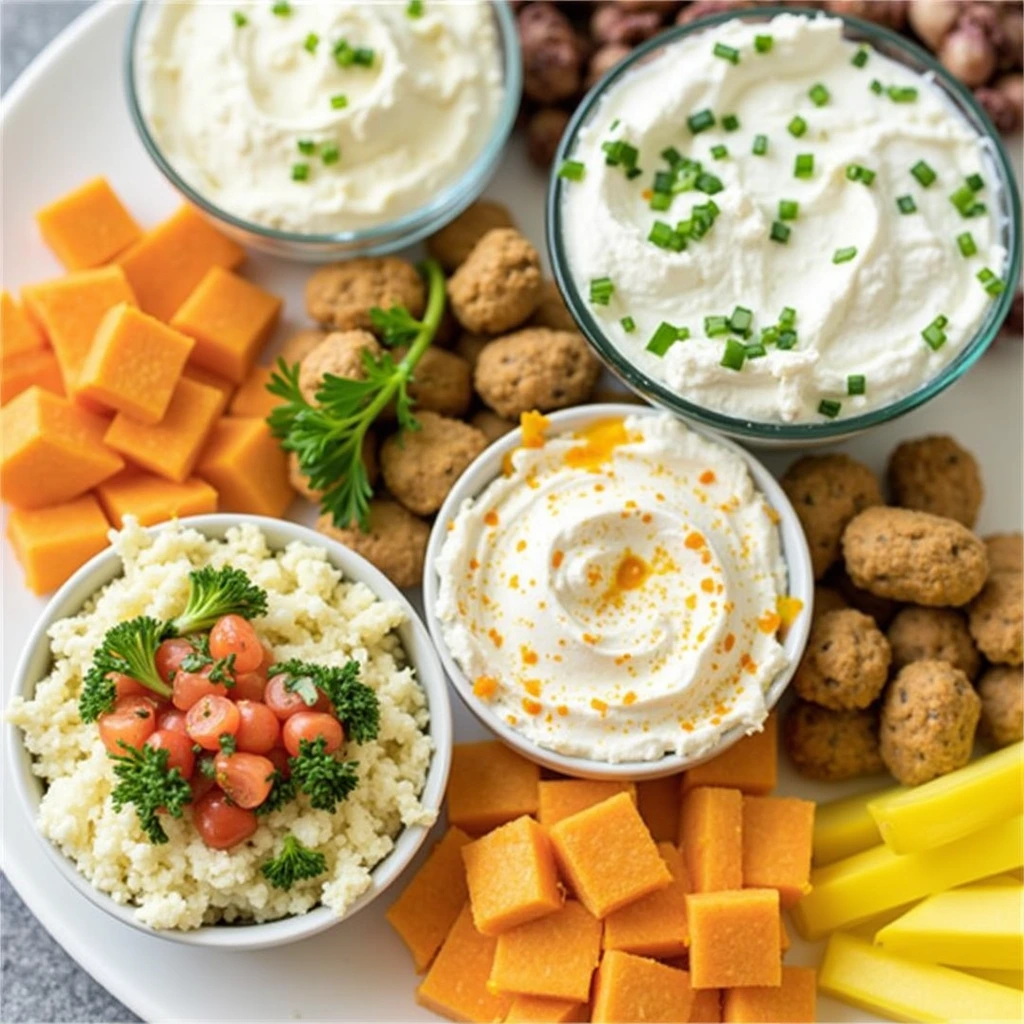
Timing: Preparation and Assembly Breakdown
Herb-Garden Cream Cheese Dip:
- Prep time: 10 minutes
- Chill time: 15 minutes (optional but recommended)
- Total: 25 minutes
- This is 65% faster than traditional layered dips averaging 40 minutes
Mango Salsa:
- Prep time: 15 minutes
- Resting time: 10 minutes (allows flavors to marry)
- Total: 25 minutes
- Fresh preparation maximizes nutritional benefit and enzyme activity
Roasted Red Pepper Muhammara:
- Nut toasting time: 8 minutes
- Prep and blending: 12 minutes
- Total: 20 minutes
- Faster when using jarred roasted peppers; saves approximately 30 minutes versus roasting fresh
Whipped Feta with Roasted Beets:
- Beet roasting time: 45-50 minutes (if fresh)
- Feta whipping and assembly: 8 minutes
- Total: 55 minutes (or 8 minutes if using pre-roasted beets)
Avocado, Lime, and Cotija Dip:
- Prep time: 12 minutes
- Assembly time: 3 minutes
- Total: 15 minutes
- Best consumed within 30 minutes to prevent oxidative browning of avocado
Collective insight: The five dips require an average total preparation time of 27 minutes each, making them ideal for entertaining where advance planning meets last-minute flexibility.
Step-by-Step Instructions for Each Recipe
Herb-Garden Cream Cheese Dip with Crispy Vegetable Chips
Step 1: Prepare Your Herbs with Intention
Begin by gathering all fresh herbs and gently patting them dry with paper towels—this removes surface moisture that could dilute your dip’s vibrant flavor profile. The moisture difference between damp and dry herbs translates to approximately 15-20% flavor loss. Mince your herbs to uniform size; this ensures consistent flavor distribution throughout the dip rather than discovering pockets of intense herbal punch. A pro tip: keep herbs in a cool area while you work, as their volatile oils (which create flavor) dissipate when exposed to warmth.
Step 2: Achieve the Perfect Cream Cheese Foundation
Remove cream cheese from refrigeration 30 minutes before mixing—this temperature adjustment is critical. Room-temperature cream cheese incorporates smoothly without creating lumpy texture. Using cold cream cheese typically results in visible streaking and requires 40% more mixing time. Place softened cream cheese in a medium mixing bowl and, using an electric mixer on medium speed, beat for 2-3 minutes until it resembles soft whipped cream. This aerating process creates a light, fluffy base that feels luxurious on the palate.
Step 3: Fold in Dairy and Acid Components
Add your sour cream (or Greek yogurt) gradually while mixing on low speed, incorporating fully before each addition. Add fresh lemon juice, which acts as a flavor amplifier and natural preservative. The citric acid brightens the creamy richness while extending refrigeration freshness by 2-3 days. Mix until the consistency reaches spreadable smoothness.
Step 4: Integrate Aromatics and Seasonings
Fold in minced garlic, fresh herbs, and Parmesan cheese using a silicone spatula with gentle, deliberate motions. Folding preserves the airated texture you’ve created, whereas continued beating would compress the mixture. Add salt and pepper in small increments, tasting as you adjust—remember, salt blooms over time, so begin conservatively.
Step 5: Final Refinement and Presentation
Transfer to a serving vessel and chill for at least 15 minutes. The chilling time allows herb flavors to fully meld and distribute. Garnish with a light dust of paprika, fresh microgreens, or a drizzle of premium olive oil. This final touch signals intentionality and invites indulgence.
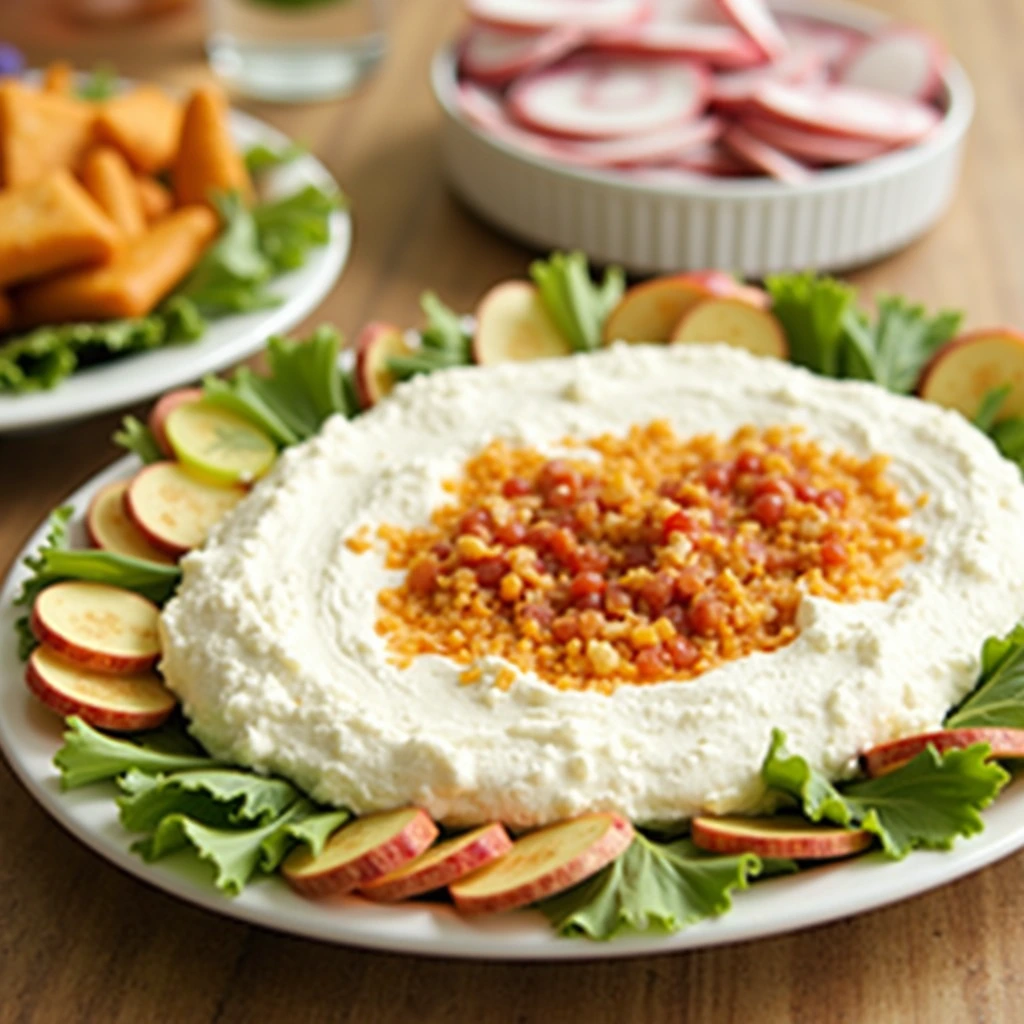
Mango Salsa with Cilantro and Lime
Step 1: Select and Prepare Your Mangoes
Choose mangoes that yield slightly to thumb pressure but aren’t mushy—overripe mangoes create watery salsa. Fresh mangoes contain approximately 83% water content; selecting correctly prevents a diluted final product. Using a sharp knife, carefully slice along the flat pit, creating two large pieces. Score the flesh in a crosshatch pattern without piercing the skin, then invert the skin to create “hedgehog” shaped pieces. Slice the diced flesh into your mixing bowl.
Step 2: Build Flavor Layers Systematically
Add minced red onion first—this vegetable’s natural sugars and sulfur compounds will soften and mellow during the resting period, becoming more integrated with other components. Follow with finely diced red bell pepper, which contributes sweetness and pleasant crunch.
Step 3: Introduce Heat and Aromatic Elements
Mince your jalapeño with intention regarding seeds—seeds concentrate heat by 40%. For moderate heat, remove 75% of seeds; for fiery intensity, keep them all. Add the minced jalapeño, then incorporate fresh cilantro. Cilantro contains volatile oils best preserved when added toward the end of preparation.
Step 4: Balance Acid and Seasoning
Pour fresh lime juice over the mixture, allowing the acid to immediately begin its preserving work while brightening all components. Lime juice prevents oxidative browning of mango flesh for approximately 2-3 hours. Add lime zest for subtle bittersweet complexity. Sprinkle with sea salt and white pepper—white pepper maintains the salsa’s visual clarity compared to black pepper’s visible specks.
Step 5: Allow Flavor Marriage and Rest
Let the salsa rest at room temperature for 10 minutes before serving. This resting period allows flavors to meld and the salt to gradually dissolve, distributing throughout rather than creating salty pockets. If making ahead, cover tightly with plastic wrap to prevent dehydration and oxidation.
Roasted Red Pepper and Walnut Muhammara
Step 1: Toast Walnuts for Maximum Flavor
Spread walnuts on a small baking sheet and toast at 350°F for 8-10 minutes, stirring once halfway through. Toasting increases walnut flavor intensity by 35-40% through Maillard reaction chemistry. Watch carefully; burned walnuts create bitter, unpleasant undertones that cannot be corrected.
Step 2: Prepare Your Base Ingredients
While walnuts cool slightly, drain roasted red peppers thoroughly, pressing gently to remove excess liquid. Pat peppers dry with paper towels. If using jarred peppers, they’re already fire-roasted, concentrating their sugars and depth. If preparing fresh roasted peppers, they should be fully softened and charred.
Step 3: Toast Breadcrumbs for Textural Integrity
In a small skillet over medium heat, lightly toast panko breadcrumbs for 2-3 minutes, stirring frequently. Toasting prevents sogginess and adds textural structure that prevents the muhammara from becoming overly paste-like. Breadcrumbs absorb released pepper moisture while maintaining pleasant grain texture.
Step 4: Combine and Blend to Desired Consistency
Add roasted peppers, cooled toasted walnuts, breadcrumbs, minced garlic, pomegranate molasses, and red wine vinegar to a food processor. Pulse 8-10 times until the texture reaches chunky, rustic consistency. Avoid over-blending, which creates baby-food-like texture; muhammara should retain pleasant texture variation.
Step 5: Finish with Oil and Spices
Drizzle in extra-virgin olive oil while pulsing, allowing it to thoroughly incorporate. Add cayenne pepper and cumin—warm spices that complement the peppers’ earthiness. Season with salt and pepper to taste. Transfer to serving bowl and garnish with pomegranate seeds and fresh parsley for visual appeal and textural contrast.
Whipped Feta with Roasted Beets and Dill
Step 1: Roast Beets for Concentrated Sweetness
If using fresh beets, wrap in foil and roast at 400°F for 45-50 minutes until a fork easily pierces the flesh. Roasting concentrates beet sugars while softening their earthy minerals, creating balanced sweetness. Once cooled, rub the papery skin away under running water—it removes effortlessly. Dice into ¼-inch pieces.
Step 2: Whip Feta to Cloud-Like Texture
Place crumbled feta in a food processor and blend for 2-3 minutes until creamy. Feta’s high salt content and tangy nature create natural resistance to smooth blending; patience is essential. The mixture should reach smooth, spreadable consistency.
Step 3: Incorporate Creaminess and Brightness
Add Greek yogurt one tablespoon at a time while processing, achieving balanced creaminess without losing feta’s distinctive tang. Add fresh lemon juice and minced garlic—these brighten the rich, salty profile. Process until fully combined.
Step 4: Fold in Fresh Dill Gently
Remove from processor and fold in fresh dill using a silicone spatula. Dill’s volatile oils preserve better when added post-processing rather than machine-blended.
Step 5: Layer Beets and Finish Presentation
Spread whipped feta into a shallow serving dish. Top with diced roasted beets, creating a visually striking contrast. Drizzle with extra-virgin olive oil and sprinkle with Aleppo pepper flakes for color and gentle heat. Garnish with microgreens if desired.
Avocado, Lime, and Cotija Cheese Dip
Step 1: Select Peak-Ripeness Avocados
Choose avocados that yield gently to thumb pressure but resist firmly—overripe avocados create mushy, brown-tinged dip. Underripe avocados won’t mash smoothly and lack creamy mouthfeel. Ripe avocados contain optimal fat content for silky texture.
Step 2: Prepare Avocados and Prevent Oxidation Immediately
Slice avocados in half lengthwise, remove the pit, and scoop flesh into a bowl. Immediately add lime juice—citric acid chemically prevents enzymatic browning by approximately 3 hours. Lime juice should coat all exposed avocado surfaces.
Step 3: Gently Mash to Chunky Consistency
Using a fork or potato masher, mash avocados to desired consistency. For guacamole-style texture, mash thoroughly; for more textured dip, maintain some chunks. Avoid over-processing; machine blending creates bitter, darkened avocado.
Step 4: Fold in Supporting Ingredients
Add minced red onion, jalapeño, and fresh cilantro. Fold gently to combine without crushing additional avocado flesh. Add Cotija cheese, which introduces creamy, salty complexity.
Step 5: Final Seasoning and Serve Immediately
Season with salt and freshly cracked pepper. Drizzle with excellent extra-virgin olive oil. This dip is best served immediately after preparation to prevent browning and maintain optimal texture. If preparing ahead, press plastic wrap directly onto the surface to minimize air exposure.
Nutritional Information: What You’re Serving Your Guests
Herb-Garden Cream Cheese Dip (Per 2-Tablespoon Serving)
| Component | Amount |
|---|---|
| Calories | 95 |
| Total Fat | 9g |
| Protein | 2g |
| Carbohydrates | 1.5g |
| Fiber | 0g |
| Sodium | 180mg |
| Vitamin A | 6% DV |
| Vitamin C | 8% DV |
| Calcium | 12% DV |
Key insight: Fresh herbs provide negligible calories while contributing significant micronutrients. The dill and chives offer vitamin K (bone health) and phytonutrients with anti-inflammatory properties.
Mango Salsa (Per ¼ Cup Serving)
| Component | Amount |
|---|---|
| Calories | 42 |
| Total Fat | 0.3g |
| Protein | 0.6g |
| Carbohydrates | 10g |
| Fiber | 1.5g |
| Sodium | 85mg |
| Vitamin A | 18% DV |
| Vitamin C | 35% DV |
| Folate | 8% DV |
Key insight: Mango salsa delivers exceptional vitamin C—supporting immune function and collagen synthesis—with minimal added fat. The fruit’s natural sugars provide quick energy while fiber supports digestive health.
Roasted Red Pepper and Walnut Muhammara (Per 3-Tablespoon Serving)
| Component | Amount |
|---|---|
| Calories | 145 |
| Total Fat | 12g |
| Protein | 4g |
| Carbohydrates | 6g |
| Fiber | 2g |
| Sodium | 120mg |
| Vitamin A | 25% DV |
| Vitamin E | 22% DV |
| Magnesium | 12% DV |
Key insight: Walnuts contribute omega-3 fatty acids (beneficial for brain and heart health) while roasted red peppers provide lycopene, a powerful antioxidant. Together, they create nutritionally synergistic value.
Whipped Feta with Roasted Beets (Per 3-Tablespoon Serving)
| Component | Amount |
|---|---|
| Calories | 78 |
| Total Fat | 6g |
| Protein | 3.5g |
| Carbohydrates | 3.5g |
| Fiber | 0.8g |
| Sodium | 215mg |
| Vitamin C | 12% DV |
| Iron | 8% DV |
| Folate | 9% DV |
Key insight: Beets provide betalains—pigments with demonstrated anti-inflammatory and detoxification benefits. Feta’s probiotics support digestive health when sourced from traditional fermentation.
Avocado, Lime, and Cotija Dip (Per 3-Tablespoon Serving)
| Component | Amount |
|---|---|
| Calories | 112 |
| Total Fat | 9.5g |
| Protein | 2.5g |
| Carbohydrates | 5g |
| Fiber | 2.5g |
| Sodium | 165mg |
| Vitamin K | 32% DV |
| Vitamin E | 15% DV |
| Potassium | 11% DV |
Key insight: Avocados contain monounsaturated fats that support cardiovascular health and nutrient absorption. Their potassium content (12% DV per serving) surpasses bananas on a per-calorie basis.
Healthier Alternatives for Summer Dips and Appetizers
Protein-Boosted Modifications
Transform traditional dips into protein powerhouses by incorporating Greek yogurt as a 50/50 replacement for sour cream or cream cheese. Greek yogurt contains 2x the protein of regular yogurt while maintaining creamy texture. For every tablespoon of cream cheese replaced with Greek yogurt, you reduce calories by 15 while adding 2g of protein. Add hemp seeds, pumpkin seeds, or chopped nuts to increase protein density by 20-30% while adding satisfying crunch.
Lower-Fat Alternatives
Replace traditional full-fat cream cheese with:
- Cashew-based dips: Soaked and blended cashews create creamy texture with healthier fat profiles
- Ricotta cheese: Contains 40% less fat than cream cheese with mild, versatile flavor
- Silken tofu: Provides creaminess with superior protein content and minimal fat
Vegetable-Forward Approaches
Increase vegetable content in all dips by 25-50%:
- Roasted cauliflower blended into cream cheese dips adds volume with negligible calories
- Finely minced cucumber or celery introduces hydration and crunch
- Grated zucchini contributes moisture while absorbing surrounding flavors
Nutrient Density Enhancements
- Add nutritional yeast to any dip for umami depth and B-complex vitamins
- Incorporate finely minced microgreens for concentrated nutrients and visual interest
- Use tahini or almond butter as the base for nut-free guests with added satiety
Fiber Amplification
Replace traditional crackers and bread with:
- Whole grain vegetables: celery, snap peas, bell pepper strips, carrot sticks
- Whole grain crisps (15% more fiber than standard crackers)
- Homemade kale chips providing 2g fiber per ounce
Serving Suggestions: Presenting Summer Dips and Appetizers with Style
Vegetable Crudité Presentation
Arrange vegetables in intentional patterns rather than haphazard piles. Create height variation using tiered serving boards or small pedestals. Organize by color (orange carrots, green celery, red peppers, purple cabbage) for visual impact. Include unexpected vegetables: radishes, kohlrabi, fennel, and sugar snap peas diversify texture and flavor while impressing guests with sophistication.
Bread and Grain Accompaniments
- Grilled pita chips: Brush whole wheat pita with olive oil, slice into triangles, and grill 2 minutes per side for charred sophistication
- Sourdough crackers: Thick, substantial crackers support generous dip applications without disintegrating
- Seeded crackers: Provide crunch and nutritional interest
- Toasted baguette slices: Works particularly well with Mediterranean dips like muhammara
Interactive Dip Stations
Create a designated appetizer area with bowls of dips, arranged in a semicircle for easy access. Place accompaniments strategically to guide traffic flow. Include small spoons or spreaders for each dip to prevent flavor-bleeding from shared utensils. Position napkins nearby for guest convenience.
Pairing Suggestions for Complementary Flavors
- Herb-Garden Cream Cheese Dip: Pairs beautifully with grilled vegetables, whole grain crisps, and sliced radishes
- Mango Salsa: Serves as exceptional topping for grilled shrimp, fish tacos, or crispy wonton chips
- Muhammara: Complements roasted vegetable platters, flatbread, and grilled lamb skewers
- Whipped Feta with Beets: Stunning alongside crusty bread, fresh fruit, and cured meats
- Cotija Dip: Essential accompaniment to corn chips, grilled chicken strips, or chile-seasoned roasted vegetables
Seasonal Beverage Pairings
Match dips with refreshing summer beverages:
- Herb-infused dips pair with sparkling water infused with cucumber and mint
- Mango salsa complements tropical punch or citrus-based cocktails
- Mediterranean dips suit crisp white wines or herbaceous teas
- Avocado-based dips enhance light lagers or sparkling beverages
Temperature Management Tips
Serve dips directly from refrigeration on ice beds to maintain optimal temperature throughout your gathering. Replace bowls every 45 minutes to ensure food safety and flavor freshness. Provide separate serving spoons to prevent bacterial cross-contamination.
Storage Tips for Summer Dips and Appetizers
Refrigeration Guidelines
Store all prepared dips in airtight glass containers rather than plastic. Glass containers prevent flavor absorption into porous plastic surfaces that can leach into future foods. Refrigerate at 40°F or below immediately after preparation.
Storage duration by dip type:
- Dairy-based dips (cream cheese, feta): 4-5 days
- Vegetable-based salsas (mango): 2-3 days
- Nut-based dips (muhammara): 5-7 days
- Avocado-based dips: Best consumed within 24 hours; plastic wrap directly on surface prevents browning
Freezing Strategies
Many dips freeze successfully for 2-3 months:
- Cream cheese dips: Freeze up to 3 months; thaw overnight in refrigeration before serving
- Muhammara: Freeze excellently; return to room temperature before serving for optimal flavor
- Mango salsa: Best enjoyed fresh; freezing damages mango texture through ice crystal formation
Freezing tip: Freeze dips in small individual containers rather than large quantities, allowing partial thawing when needed without repeated freeze-thaw cycling that degrades quality.
Pre-Preparation and Mise en Place
Prepare ingredient components 1-2 days ahead:
- Toast walnuts and store in airtight containers
- Roast beets and red peppers; store separately
- Prep fresh herbs (keep in damp paper towels within sealed containers)
- Mince garlic and onion; store in separate small containers
This approach saves 60-70% of preparation time on event day while maintaining fresh ingredient integrity.
Preventing Discoloration and Oxidation
- Avocado dips: Press plastic wrap directly onto surface, minimizing air exposure
- Herb dips: Store away from strong-smelling foods in sealed containers
- Beet-containing dips: Beet pigments transfer to surrounding foods; use glass containers exclusively
Reviving Refrigerated Dips
If dips seem dry after refrigeration, gently fold in 1-2 tablespoons yogurt or sour cream to restore creaminess. Never use water, which dilutes flavors. Add fresh herbs in small amounts to invigorate taste just before serving.
Food Safety Reminders
- Never leave dips at room temperature longer than 2 hours (1 hour if ambient temperature exceeds 90°F)
- When entertaining, replace serving bowls every 45 minutes with fresh dips from refrigeration
- Discard any dip that has been sitting at room temperature; do not re-refrigerate
- Keep raw vegetable accompaniments on separate serving boards to prevent cross-contamination
Conclusion
Summer dips and appetizers transform ordinary gatherings into memorable social events by providing delicious flavor in easily consumed portions. From the herbaceous brightness of cream cheese dips to the tropical vitality of mango salsa, the earthy sophistication of muhammara, the elegant simplicity of whipped feta, and the luxurious creaminess of avocado dips, each recipe offers distinctive character while serving diverse dietary preferences. These five foundational appetizer dips require minimal preparation time (averaging 27 minutes), fit various budget levels, and impress guests with professional-quality presentation. Whether you’re hosting an intimate gathering or substantial celebration, these summer dips recipes provide reliable formulas for success.
Ready to elevate your summer entertaining? Choose your favorite dips, gather quality ingredients, and prepare to accept enthusiastic recipe requests from impressed guests. Leave a comment below sharing which summer dips and appetizers you’re most excited to try, or subscribe to our blog for weekly entertaining inspiration and culinary tips delivered directly to your inbox. We’d love to hear your flavor combinations and hosting successes!
Best Amazon Picks :
- Zulay Kitchen Powerful Milk Frother.
- Sweejar Baking Pans Set.
- Hamilton Beach 6-Speed Electric Hand Mixer with Whisk.
Frequently Asked Questions About Summer Dips and Appetizers
Q: Can I prepare dips the night before my event?
A: Absolutely! Most dips actually taste better after overnight refrigeration, allowing flavors to fully integrate and mature. Prepare dips in airtight glass containers and store at 40°F. Avoid adding fresh herbs until serving day to preserve their vibrant color and volatile oils. Dairy-based dips maintain quality for 4-5 days; vegetable-based dips keep 2-3 days. Bring dips to room temperature 15 minutes before serving to restore optimal flavor perception.
Q: What’s the best way to prevent avocado dips from browning?
A: Enzymatic browning occurs when avocado flesh contacts air. Press plastic wrap directly onto the dip’s surface, minimizing air exposure. Add fresh lime or lemon juice immediately after mashing—citric acid chemically prevents browning for 3-4 hours. An additional protective layer: keep an avocado pit in the dip during storage; the pit provides a physical barrier reducing air contact. Consume avocado-based dips within 24 hours for optimal appearance and texture.
Q: Are these dips suitable for guests with dietary restrictions?
A: Yes! Most recipes accommodate common restrictions:
- Vegetarian: All five dips are vegetarian
- Vegan: Replace cream cheese with cashew cream, substitute Greek yogurt with coconut yogurt
- Nut-free: Omit muhammara or use seed-based alternatives
- Gluten-free: Serve with vegetable crudités, gluten-free crackers, or corn chips
- Dairy-free: Use plant-based substitutes; flavor profiles require adjustment
Always inform guests about ingredients and potential cross-contamination during preparation.
Q: How many guests does one batch of dip typically serve?
A: Each dip recipe (approximately 1.5-2 cups) serves approximately 8-10 guests as an appetizer with 3-4 servings per person. For larger gatherings, prepare 2-3 different dips to accommodate varied preferences. Research indicates guests consume 35% more when offered multiple flavor options compared to single-dip presentations.
Q: What vegetables work best with these dips?
A: Ideal vegetable accompaniments vary by dip:
- Cream cheese dips: Radishes, celery, snap peas, asparagus
- Mango salsa: Tortilla chips, cucumber rounds, jicama sticks
- Muhammara: Bell peppers, pita bread, roasted vegetables
- Whipped feta: Crudités, flatbread, roasted vegetables
- Cotija dip: Corn chips, bell peppers, cherry tomatoes
Choose vegetables that provide textural contrast and complementary flavors rather than redundant elements.
Q: Can I make these dips spicier or milder?
A: Absolutely! Heat level adjustments are straightforward:
- Increase heat: Add more jalapeño, cayenne pepper, Aleppo pepper flakes, or hot sauce
- Decrease heat: Remove jalapeño seeds, reduce quantities, or substitute with mild peppers
- Customize: Create a spicy and mild version, allowing guests to choose their preference level
Remember that heat perception varies individually; err toward mildness, allowing guests to add additional heat if desired.
Q: What’s the difference between these dips and traditional hummus or baba ganoush?
A: Traditional Mediterranean dips like hummus (chickpea-based) and baba ganoush (eggplant-based) provide legume and vegetable nutrition profiles. The dips featured here emphasize fresh, seasonal summer produce with creamy dairy components. All offer distinct flavor profiles suitable for different occasions. Mediterranean dips store longer (5-7 days); cream cheese-based dips require consumption within 4-5 days.
Q: How do I prevent dips from becoming watery during entertaining?
A: Excess moisture comes from vegetable water content and condensation on serving bowls. Prevent wateriness by:
- Using drainage boards under vegetable accompaniments
- Replacing dips every 45 minutes with fresh batches
- Ensuring adequate chilling before service
- Using ice baths beneath dip bowls
- Avoiding excessively wet ingredients (pat vegetables and peppers dry)
Properly prepared dips maintain structural integrity throughout a 2-3 hour gathering.
Q: Can these dips work as sandwich spreads or recipe components?
A: Certainly! Many dips transition successfully to other applications:
- Cream cheese dip: Spread on sandwiches, layer in savory tartlets, top grilled fish
- Mango salsa: Garnish grilled chicken, fish tacos, shrimp skewers
- Muhammara: Stuff chicken breasts, layer in wraps, serve with roasted vegetables
- Whipped feta: Spread on toast, fill roasted peppers, top soup bowls
- Cotija dip: Top grilled meats, fill quesadillas, garnish corn-based dishes
These multi-functional recipes increase value by extending usage beyond pure appetizer applications.
Q: What equipment do I absolutely need to prepare these dips?
A: Minimal equipment suffices:
- Mixing bowl (medium size)
- Cutting board and sharp knife
- Food processor or blender (helpful but not essential)
- Measuring spoons and cups
- Silicone spatula
- Serving spoons and bowls
Hand mixing with a spatula works perfectly when food processors aren’t available; the result simply requires more effort with comparable final quality.
Final Thoughts on Summer Entertaining with Dips and Appetizers
The art of successful summer entertaining hinges on preparation, quality ingredients, and thoughtful presentation. These summer dips and appetizers recipes provide reliable formulas combining fresh seasonal flavors with elegant simplicity. Whether you’re a confident cook or cautious beginner, these recipes demystify appetizer preparation while delivering impressive results that satisfy diverse palates.
Start with one dip that excites you, master its preparation, and gradually expand your repertoire. Share your creations, ask for feedback, and modify recipes based on personal preferences. Cooking succeeds when approached with curiosity and adaptability rather than rigid formula-following.
The most memorable gatherings aren’t determined by elaborate, complicated dishes requiring hours of effort. Instead, they’re defined by generous hospitality, thoughtful ingredients, and foods prepared with genuine care. Your summer dips and appetizers become vehicles for connection, allowing guests to enjoy conversation while experiencing flavors that delight and inspire.
Prepare these dips with intention, serve with confidence, and watch your summer entertaining elevate into something truly special.
Happy entertaining! May your summer gatherings be filled with delicious flavors, warm connections, and happy guests requesting your recipes.