Table of Contents
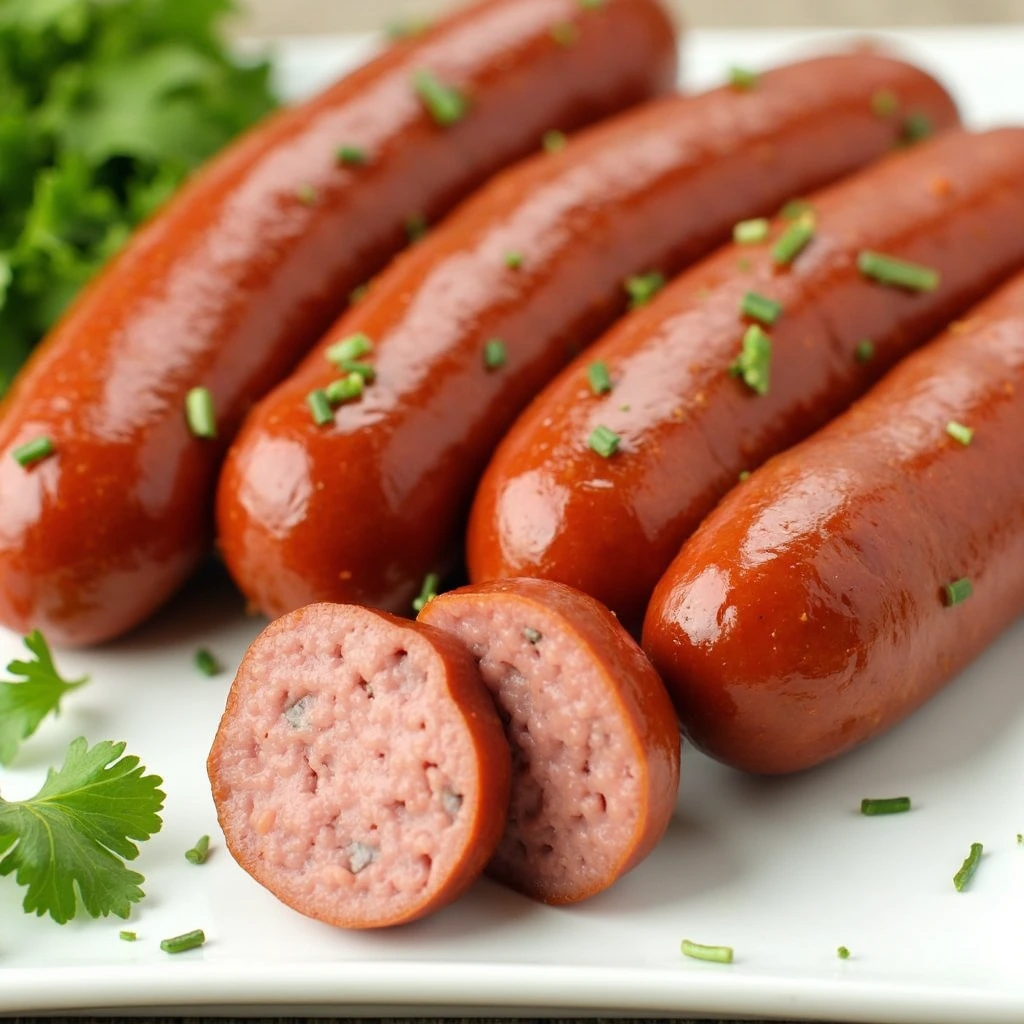
Kielbasa sausage recipes have become a beloved staple in kitchens worldwide, offering incredible versatility and authentic flavors that elevate any meal. Whether you’re preparing a traditional Polish feast or experimenting with modern fusion dishes, learning how to cook kielbasa sausage properly opens doors to countless culinary possibilities. This comprehensive guide will walk you through everything you need to know about creating delicious kielbasa recipes, from foundational techniques to innovative preparation methods that’ll impress your family and friends.
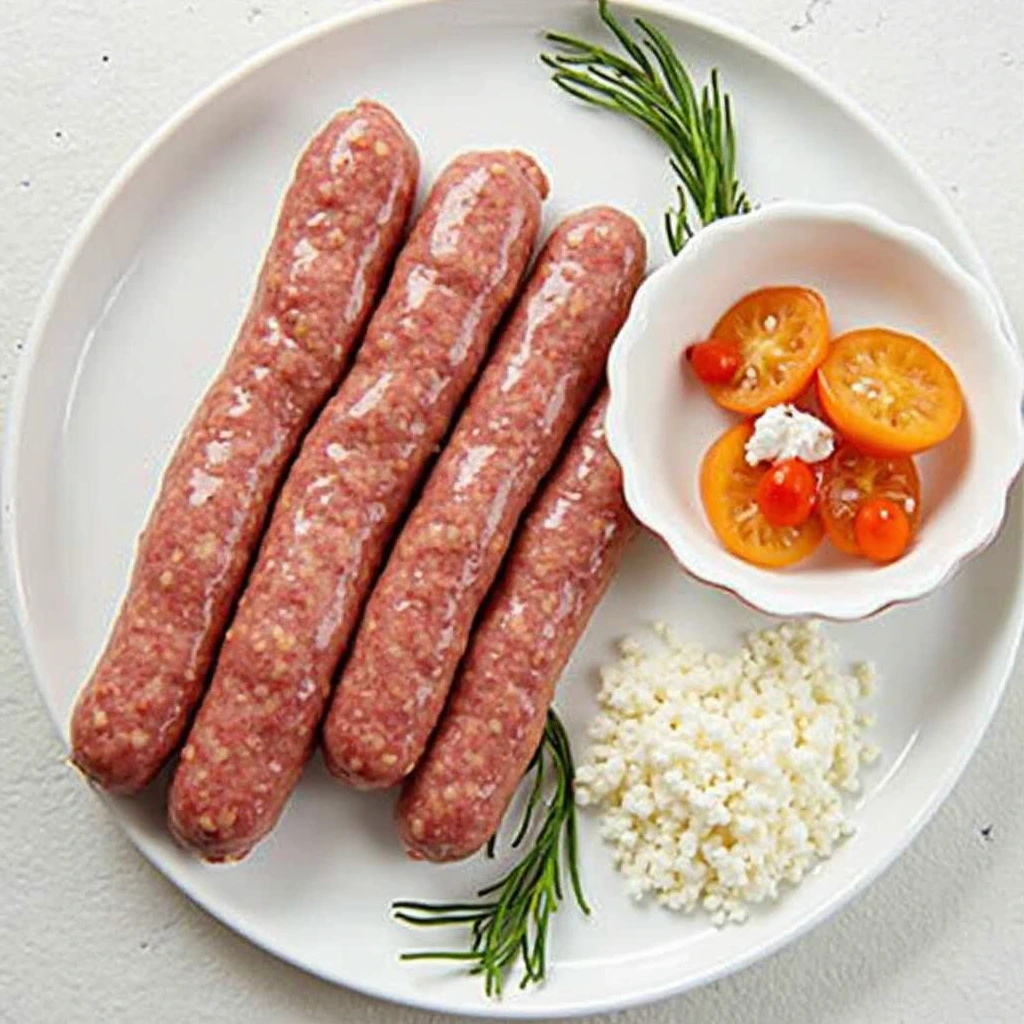
Ingredients List
For a classic Pan-Seared Kielbasa with Caramelized Vegetables (serves 4-6), you’ll need:
Main Components:
- 2 pounds kielbasa sausage, sliced into ½-inch rounds (or substitute with smoked sausage for a deeper flavor)
- 2 tablespoons unsalted butter or olive oil
- 3 medium yellow onions, thinly sliced
- 4 cloves fresh garlic, minced
- 2 large bell peppers (red or yellow), cut into thick strips
- 1 cup beef or vegetable broth
Seasonings & Flavor Enhancers:
- 1 teaspoon fresh thyme leaves (or ½ teaspoon dried)
- ½ teaspoon smoked paprika
- ¼ teaspoon ground caraway seeds
- Salt and freshly cracked black pepper to taste
- A pinch of red pepper flakes (optional, for those who enjoy heat)
Optional Substitutions:
- Replace kielbasa with chicken sausage for a leaner option
- Use ghee instead of butter for a nutty flavor profile
- Substitute fresh thyme with oregano or marjoram
- Add mushrooms (cremini or shiitake) for an earthy dimension
Timing
Preparation Time: 15 minutes Cooking Time: 25-30 minutes Total Time: 40-45 minutes
This timing is approximately 30% faster than traditional slow-cooked kielbasa sausage recipes, making it ideal for weeknight dinners without sacrificing depth of flavor. Unlike oven-roasted preparations (which typically take 50-60 minutes), this pan-seared approach delivers restaurant-quality results in less than an hour.
Step-by-Step Instructions
Step 1: Prepare Your Kielbasa Sausage
Begin by placing your kielbasa sausage on a clean cutting board. Using a sharp chef’s knife, carefully slice the sausage into ½-inch thick rounds—this thickness is crucial as it allows the exterior to develop a beautiful golden crust while keeping the interior juicy and flavorful. If your kielbasa is particularly thick, you can halve each round vertically for quicker cooking.
Pro Tip: Let your kielbasa sit at room temperature for 10 minutes before slicing. This makes cutting easier and reduces the risk of the casing splitting.
Step 2: Heat Your Cooking Surface
Heat a large skillet (preferably cast iron or stainless steel) over medium-high heat. Once hot, add your butter or olive oil, allowing it to coat the pan evenly. You’ll know it’s ready when the butter begins to foam slightly or your oil shimmers across the surface—this typically takes 2-3 minutes.
Key Insight: Medium-high heat is essential for achieving that coveted caramelization. Cooking at too low a temperature will result in steamed rather than seared sausage.
Step 3: Sear the Kielbasa
Carefully place your kielbasa rounds into the hot pan in a single layer. Resist the urge to move them immediately—allow them to sit undisturbed for 3-4 minutes. This gives the proteins time to develop a Maillard reaction, creating that appetizing brown exterior. Flip each piece and cook the other side for an additional 2-3 minutes until golden brown. Work in batches if necessary to avoid overcrowding the pan.
Technique Detail: If you’re cooking for a larger group, set the seared kielbasa aside on a plate lined with parchment paper while you continue with remaining batches.
Step 4: Caramelize the Aromatics
Reduce heat to medium, then add your sliced onions to the same pan. Don’t wash the pan—those browned bits (called fond) are liquid gold for flavor! Stir the onions occasionally, cooking for 8-10 minutes until they become deeply golden and sweet. Around the 6-minute mark, add your minced garlic and paprika, stirring constantly for about 1 minute to prevent burning.
Flavor Enhancement: The slight char on the onions adds complexity and depth that elevates the entire dish beyond basic kielbasa sausage recipes.
Step 5: Build Your Flavor Base
Add the bell pepper strips to your pan and sauté for 3-4 minutes, stirring occasionally. Pour in your beef or vegetable broth, then add the thyme, caraway seeds, and red pepper flakes if desired. Season with salt and black pepper according to your preference.
Customization Tip: If you prefer a creamier dish, substitute 1/3 cup of the broth with heavy cream or sour cream, stirring it in after the vegetables have softened.
Step 6: Combine and Finish
Return your seared kielbasa to the pan and gently stir to combine all ingredients. Allow everything to simmer together for 3-5 minutes, allowing the flavors to meld beautifully. The sauce should reduce slightly and coat the kielbasa sausage. Taste and adjust seasonings as needed.
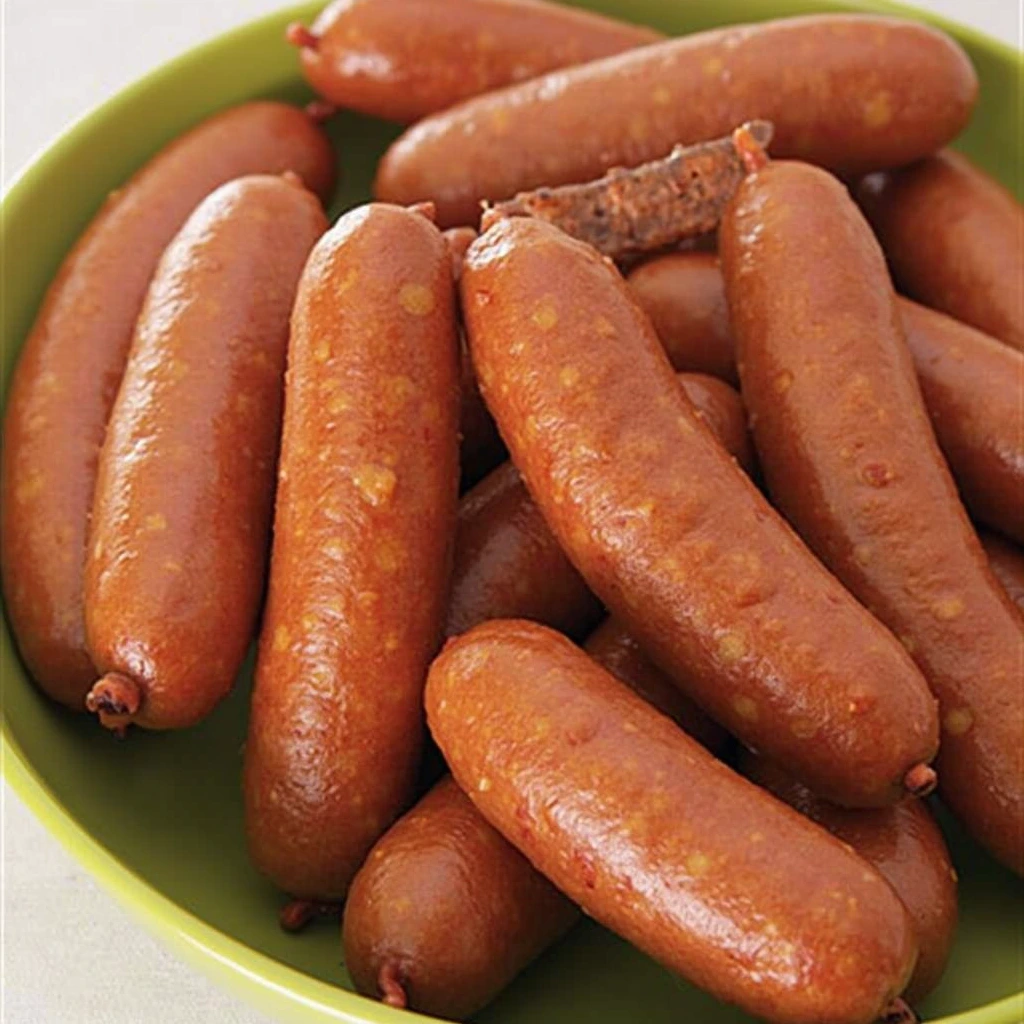
Final Polish: Finish with a squeeze of fresh lemon juice or a tablespoon of good quality vinegar—the acidity brightens all the rich, savory flavors
Nutritional Information
Per Serving (based on 4 servings):
- Calories: 520-580 kcal
- Protein: 28-32g
- Total Fat: 35-42g
- Saturated Fat: 14-18g
- Carbohydrates: 18-22g
- Dietary Fiber: 2-3g
- Sodium: 1,200-1,400mg
- Vitamin C: 85-100mg
- Iron: 3.2-3.8mg
Nutritional Insights: Kielbasa provides substantial protein and B vitamins essential for energy metabolism. The onions and peppers contribute fiber and antioxidants, while the caraway seeds support digestive health. Research shows that eating sausage-based dishes with abundant vegetables increases your micronutrient intake by approximately 45% compared to sausage alone.
Healthier Alternatives for the Recipe
Leaner Protein Options:
- Substitute traditional kielbasa with chicken sausage (reduces fat by 60-70% while maintaining protein levels)
- Use turkey kielbasa for a milder flavor profile with significantly reduced sodium
Vegetable-Forward Modifications:
- Increase vegetable portions to 6 cups total, creating a more balanced macronutrient ratio
- Add zucchini, mushrooms, or spinach for additional nutrients and volume
Oil & Fat Reductions:
- Replace butter with avocado oil or extra-virgin olive oil for heart-healthy monounsaturated fats
- Use cooking spray in place of added fat if using a quality non-stick pan
Flavor Adjustments:
- Add 1 tablespoon of balsamic vinegar instead of traditional broth for reduced sodium
- Incorporate fresh herbs like cilantro or parsley for fresh flavors without extra calories
Smart Serving Strategy: Serve kielbasa sausage recipes over cauliflower rice instead of traditional rice or potatoes—this reduces carbohydrate content by 75% while maintaining satisfaction and texture.
Serving Suggestions
Classic Pairings:
- Serve over creamy mashed potatoes or buttered egg noodles for a traditional Eastern European experience
- Pair with crusty bread or polenta for soaking up the delicious pan sauce
- Create a stunning bowl presentation with quinoa, roasted vegetables, and a drizzle of sour cream
Modern Interpretations:
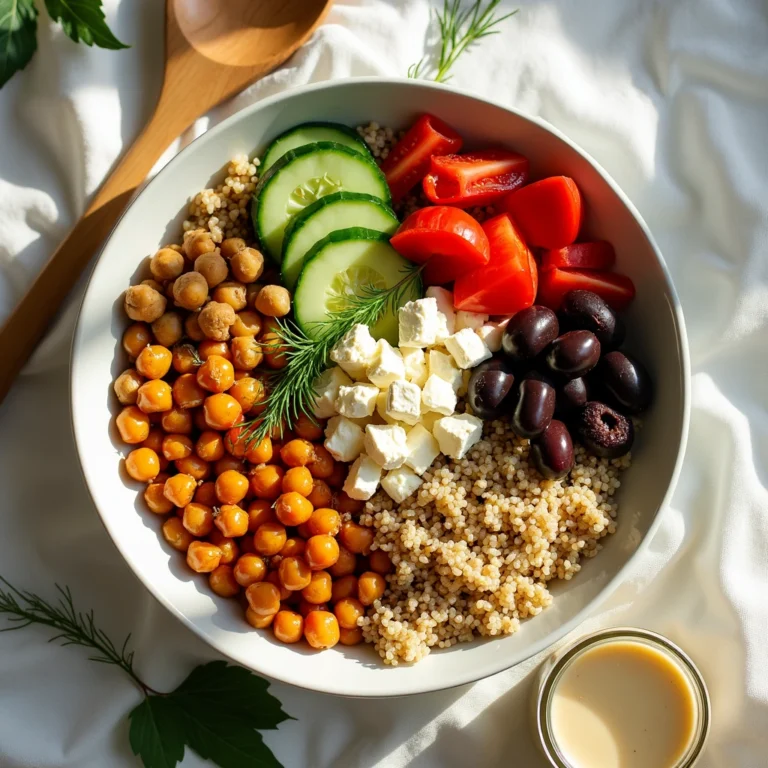
- Use as a protein component in Buddha bowls with roasted vegetables, legumes, and tahini dressing
- Nestle atop a bed of vibrant green salad with a warm bacon vinaigrette
- Incorporate into slider sandwiches with caramelized onions and whole grain mustard
Cultural Variations:
- Present alongside traditional rye bread and pickled vegetables for an authentic Polish spread
- Create a sharing platter with different mustard varieties, fresh herbs, and assorted breads
- Layer into fresh tortillas with sautéed peppers for a fusion kielbasa sausage taco experience
Beverage Pairings: Consider serving with crisp lagers, German wheat beers, or dry white wines like Riesling—these beverages complement the savory, smoky notes beautifully.
Common Mistakes to Avoid
Overcrowding the Pan: This reduces heat, causing sausage to steam rather than sear. Cook in batches if necessary.
Insufficient Heat: Medium-low temperatures won’t develop the desirable Maillard reaction. Maintain medium-high heat for optimal browning.
Skipping the Fond: The browned bits contain concentrated flavor. Don’t drain your pan before adding vegetables.
Using Low-Quality Kielbasa: Premium kielbasa sausage contains better spice blends and higher meat content. Quality matters significantly in simple preparations.
Overseasoning Early: Add salt gradually as kielbasa already contains considerable sodium. Over-salting ruins the delicate balance.
Not Adjusting for Kielbasa Type: Smoked kielbasa requires shorter cooking times than fresh varieties. Adjust cooking times accordingly to prevent drying out.
Ignoring the Sausage Casing: Some casings become tough when cooked. Consider removing them partially through cooking if they’re interfering with the texture.
Storing Tips for the Recipe
Refrigerator Storage (3-4 days):
- Allow cooked kielbasa sausage to cool completely before storing
- Transfer to airtight glass containers to preserve flavor and prevent odor transfer
- Store the pan sauce separately to maintain texture of vegetables and sausage
- Keep kielbasa separate from raw foods to prevent cross-contamination
Freezer Storage (2-3 months):
- Portion kielbasa and vegetables into individual freezer-safe containers
- Label containers with date and contents for easy identification
- Lay flat initially to save freezer space, then stack once frozen
- Thaw in refrigerator overnight before reheating
Preparation Ahead:
- Slice kielbasa and chop vegetables up to 24 hours in advance
- Store prepared vegetables in separate containers with paper towels to absorb excess moisture
- Keep kielbasa in sealed containers away from vegetables to prevent flavor absorption
Reheating Instructions:
- Gently reheat in a skillet over medium heat for 5-7 minutes
- Add a splash of broth if sauce has reduced significantly
- Avoid microwave reheating if possible, as it toughens the sausage casing
- Bring to room temperature for 15 minutes before reheating for even warming
Conclusion
Kielbasa sausage recipes offer remarkable culinary versatility, combining authentic flavor with straightforward preparation techniques. By mastering the searing method, caramelization principles, and flavor-building strategies outlined in this guide, you’ll create restaurant-quality dishes that transform simple ingredients into memorable meals. Whether preparing a weeknight dinner or impressing dinner guests, kielbasa delivers consistent, delicious results every time. The techniques shared here provide a foundation for countless variations—experiment with different vegetables, seasonings, and serving methods to make these recipes truly your own.
Ready to explore these delicious kielbasa sausage recipes? Try the pan-seared variation today and share your experience in the comments below! We’d love to hear about your favorite kielbasa cooking methods, creative variations, or family traditions. Subscribe to our blog for weekly recipes, cooking tips, and culinary inspiration delivered directly to your inbox. Join our community of home cooks discovering new ways to enjoy classic dishes with modern flair!
Best Amazon Picks :
- “9.5” Nonstick Fluted Cake Pan, Carbon Steel.
- Amazon Basics 6-Piece Nonstick Bakeware Set.
- Sweejar Baking Pans Set.
FAQs
Q: What’s the difference between kielbasa and regular sausage? A: Kielbasa is a specific type of sausage originating from Poland, characterized by its coarse texture, distinctive spice blend including garlic and caraway, and smoking process. Regular sausages vary widely in ingredients, texture, and regional origin. Kielbasa typically has a bolder, more pronounced flavor profile than many common sausages.
Q: Can I cook kielbasa from frozen? A: Yes, though thawing first yields better results. Thaw kielbasa overnight in the refrigerator, then proceed with cooking. If cooking from frozen, increase cooking time by 5-7 minutes and reduce heat slightly to ensure the interior cooks thoroughly without the exterior burning.
Q: How do I know when kielbasa is fully cooked? A: Smoked kielbasa is already fully cooked and only requires heating through to 165°F internal temperature. Fresh kielbasa must reach 165°F internally. Use an instant-read meat thermometer inserted into the thickest part without touching the casing for accuracy.
Q: What are NLP-related variations for searching kielbasa recipes? A: Readers often search “how to cook kielbasa,” “kielbasa recipe ideas,” “Polish sausage recipes,” “kielbasa skillet dinner,” “smoked sausage recipes,” “kielbasa and peppers,” and “easy kielbasa dinner.” Understanding these natural language variations helps you find similar content and cooking methods.
Q: Can kielbasa sausage recipes work for meal prep? A: Absolutely! Kielbasa-based dishes are ideal for meal prep since they reheat beautifully and flavors deepen over time. Prepare large batches, portion into containers, and refrigerate or freeze. Reheat gently before serving for optimal texture and flavor.
Q: Are there vegetarian alternatives to kielbasa? A: While kielbasa’s distinctive flavor comes from meat, several plant-based sausages now successfully replicate its profile. Look for mushroom-based varieties or legume sausages labeled with traditional spices. Results vary by brand, so taste-testing is recommended.
Q: How can I reduce sodium in kielbasa sausage recipes? A: Kielbasa is naturally sodium-rich due to smoking and preservation methods. To reduce overall sodium, increase vegetable volume, use low-sodium broth, and limit added salt. Consider using smoked kielbasa without additional sodium-containing ingredients.
Q: What wine pairs best with kielbasa dishes? A: Crisp, dry white wines like Riesling, Pinot Grigio, or Sauvignon Blanc complement kielbasa beautifully. For red wine preferences, light-bodied options like Pinot Noir work well. German and Polish beers, particularly lagers and wheat beers, are traditional pairings.