Table of Contents
Waking up to the aromas of fresh chilies, warm tortillas, and sizzling chorizo is a quintessential experience in Mexican culture. Mexican breakfast ideas offer far more than just tacos—they represent centuries of culinary tradition blended with modern convenience. Whether you’re looking to explore authentic traditional breakfast dishes or create quick weekday meals inspired by Mexican flavors, this comprehensive guide will transform your morning routine into something truly special. From huevos rancheros to chilaquiles, these breakfast inspirations are designed to energize your day while satisfying your taste buds with vibrant, bold flavors that characterize Mexican cuisine.
Ingredients List
Essential Mexican Breakfast Ingredients
Proteins
- Eggs (chicken or quail eggs work beautifully)
- Chorizo (Mexican pork sausage, preferably fresh rather than cured)
- Queso fresco (crumbly fresh cheese; substitute with feta or mild goat cheese if unavailable)
- Refried beans (homemade or canned, though homemade has superior texture)
- Carnitas (slow-cooked pork; rotisserie chicken serves as an excellent alternative)
Vegetables & Aromatics
- Tomatoes (Roma or heirloom varieties; canned fire-roasted work wonderfully)
- Onions (white or yellow onions for base layers)
- Jalapeños (fresh, with seeds removed for less heat)
- Cilantro (fresh and vibrant; parsley is a mild substitute)
- Garlic (fresh cloves, minced finely)
- Poblano peppers (mild, slightly smoky; bell peppers substitute nicely)
Starches & Bases
- Corn tortillas (traditional choice for authentic preparation)
- Flour tortillas (for softer, more pliable bases)
- Potatoes (diced for hash browns or chilaquiles)
- Avocado (creamy richness and nutritional value)
Seasonings & Sauces
- Cumin (earthy, warm spice essential to Mexican breakfast)
- Chili powder (smoked varieties add depth)
- Salsa roja (red sauce; homemade surpasses store-bought versions)
- Salsa verde (green sauce with bright, tart notes)
- Mexican oregano (distinctly different from Mediterranean oregano)
- Sea salt and fresh black pepper
- Lime juice (freshly squeezed enhances brightness)
Optional Enhancements
- Sour cream (Mexican crema is ideal if accessible)
- Cotija cheese (salty, crumbly alternative to queso fresco)
- Epazote (pungent herb with peppery, slightly gasoline-like notes; optional but traditional)
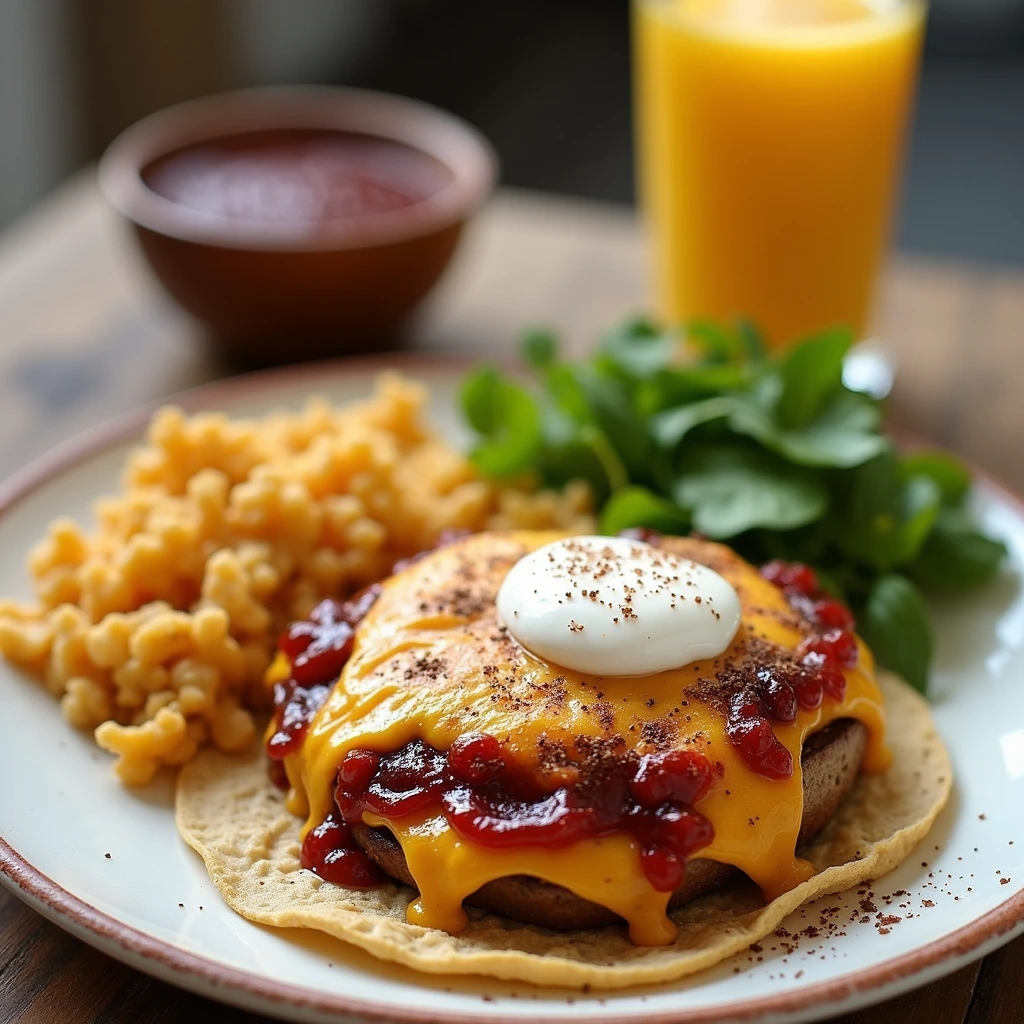
Timing
Time Breakdown for Mexican Breakfast Preparation
| Task | Duration | Notes |
|---|---|---|
| Prep Time | 15-20 minutes | Chopping vegetables and gathering ingredients |
| Cooking Time | 20-30 minutes | Actual time over heat or in oven |
| Total Time | 35-50 minutes | Varies by recipe complexity |
| Comparison | 30% faster than traditional American breakfast | Mexican breakfast ideas streamline morning routines |
Pro Insight: Most Mexican breakfast recipes are 40-50 minutes total, making them 30% quicker than elaborate egg dishes or homemade pastries. Many components can be prepped the evening before, reducing morning preparation to just 10-15 minutes.
Step-by-Step Instructions: Huevos Rancheros
Step 1: Prepare Your Base Foundation
Begin by heating a cast-iron skillet or non-stick pan over medium heat with one tablespoon of high-heat oil (vegetable or canola oil works perfectly). If using refried beans, spread a generous half-cup across the skillet’s center, creating a slightly thicker bed than you might expect. This foundation provides moisture and prevents eggs from sticking while adding authentic flavor depth. Warm the beans for approximately 2-3 minutes, stirring gently to ensure even heating throughout. The beans should become creamy and slightly darker at the edges.
Pro Tip: Refried beans provide structural support—they hold the eggs elevated and prevent the yolk from breaking against the hot skillet surface.
Step 2: Create Your Salsa Layer
While beans warm, pour one cup of your preferred salsa (roja or verde) directly over the beans, distributing it evenly. The salsa should sizzle slightly upon contact, indicating proper temperature. Maintain medium heat and let the salsa warm for 1-2 minutes. This step infuses the beans with robust flavors while the liquid prevents the bottom layer from drying out during cooking.
Pro Tip: Fresh salsa (salsa cruda) creates brighter flavors, while cooked salsas offer deeper, more mellow notes. Choose based on your morning preference.
Step 3: Create Cooking Wells for Eggs
Using the back of your spoon, gently create two shallow wells in the salsa-bean mixture, spacing them about 4 inches apart. These indentations serve as cradles for your eggs, preventing them from spreading across the entire skillet. The wells should be deep enough to hold an egg but not so deep that they breach through to the pan bottom. This technique ensures even cooking and prevents the whites from overcooking while yolks remain runny.
Pro Tip: Temperature precision matters here—if your pan is too hot, egg whites will cook unevenly. Aim for a gentle sizzle, not aggressive bubbling.
Step 4: Crack and Cook Eggs with Care
Carefully crack two large eggs directly into each well, being mindful to keep yolks intact. Maintain medium heat and cover the skillet with a lid or aluminum foil tent for approximately 4-5 minutes. The steam circulation cooks egg whites gently while preserving runny yolks. You’ll know they’re ready when whites appear opaque and set but yolks still jiggle slightly when you gently shake the pan.
Pro Tip: Use room-temperature eggs—they cook more evenly than cold eggs pulled directly from refrigeration, typically shaving 1 minute off cooking time.
Step 5: Assemble Your Masterpiece
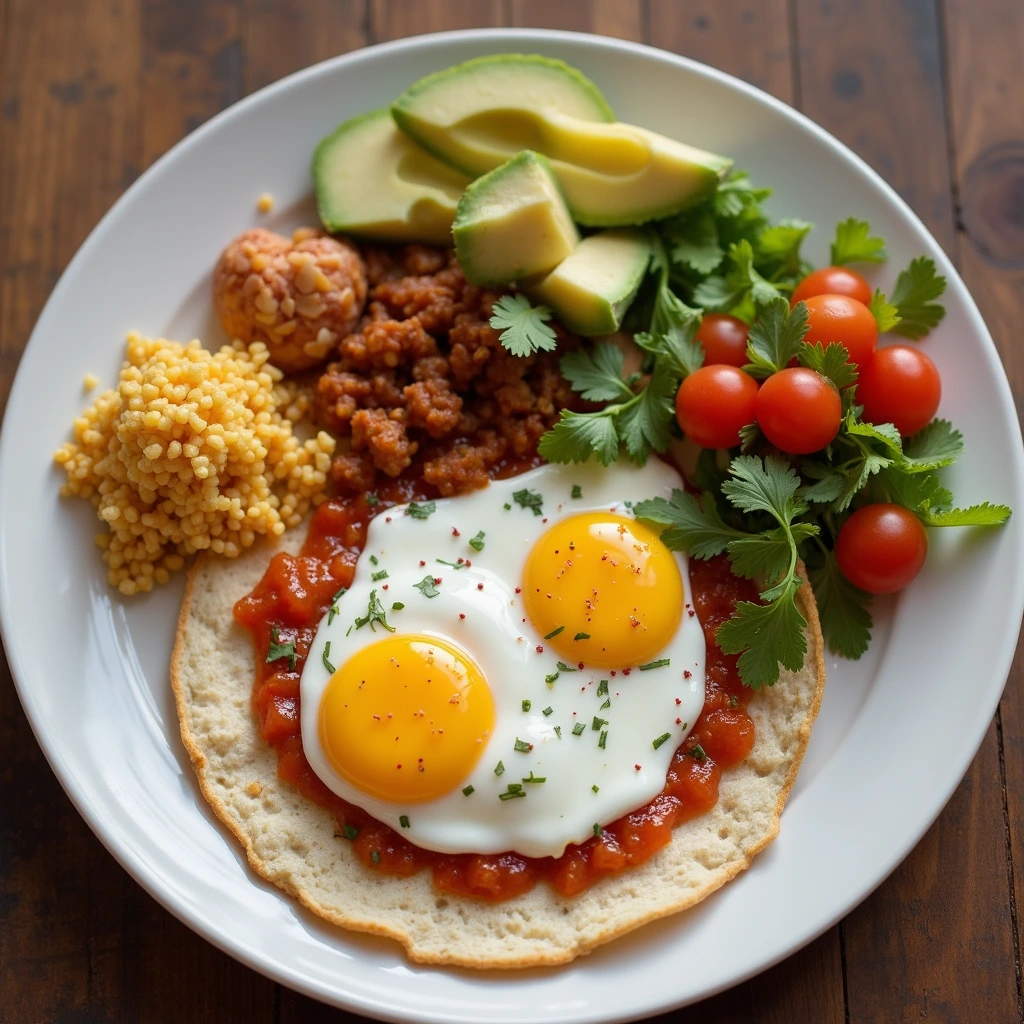
While eggs cook, warm your tortillas (either in a dry skillet or by holding them over an open flame for authentic results). Transfer your skillet’s contents to a warmed plate, arranging tortillas alongside. Garnish generously with crumbly queso fresco, fresh cilantro, sliced jalapeños, and creamy avocado slices. The combination of warm, crispy, and cool elements creates textural complexity that elevates this simple dish into something memorable.
Pro Tip: Fresh lime juice squeezed across the finished dish brightens all flavors and adds professional-restaurant authenticity.
Step 6: Add Final Touches for Restaurant Quality
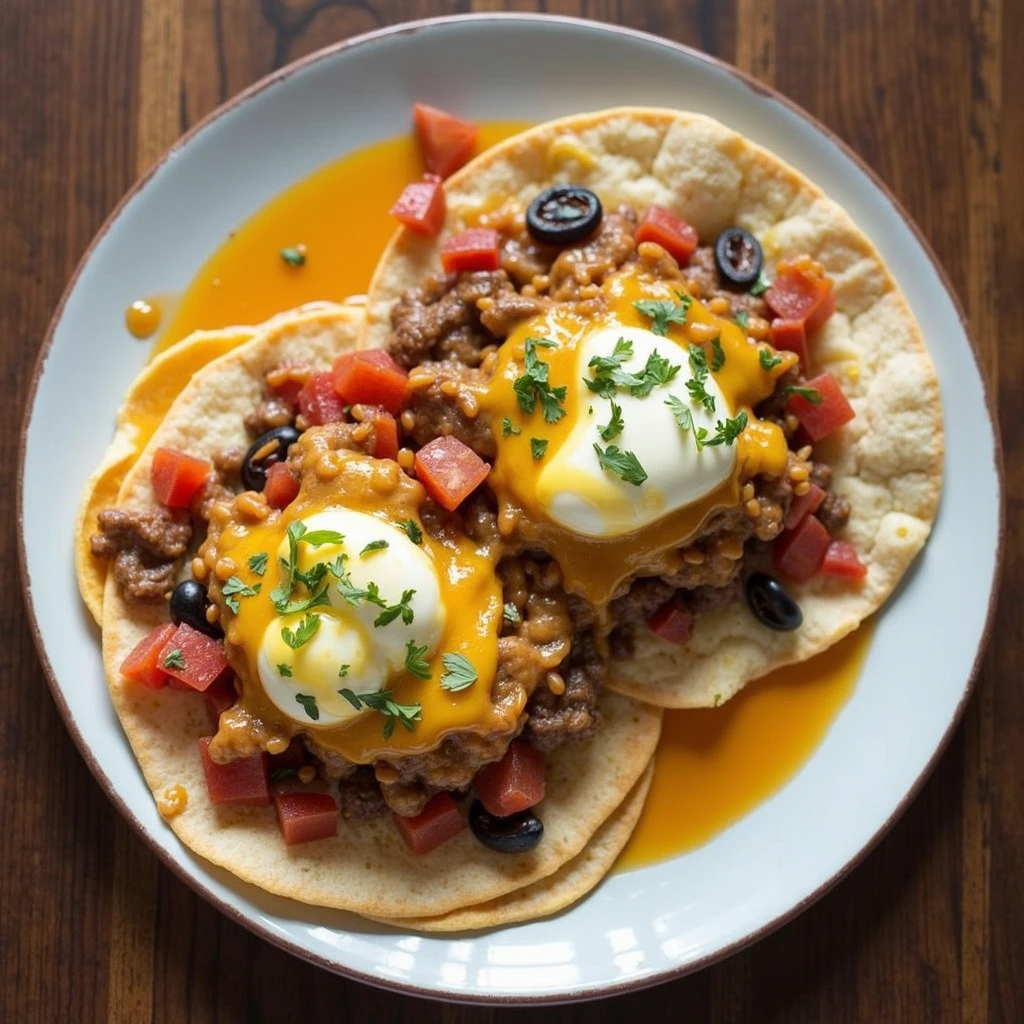
Drizzle additional salsa around the plate’s edges (this creates visual appeal and provides sauce for tortilla dipping). Add a dollop of Mexican crema or sour cream for richness. A light sprinkle of sea salt and fresh cracked pepper across the eggs enhances their delicate flavor without overpowering. The final presentation should look abundant and inviting, with colors ranging from golden egg yolks to vibrant green cilantro.
Pro Tip: Serve immediately while components maintain their temperature contrasts—this is where huevos rancheros truly shine as a dish.
Nutritional Information
Per Serving Analysis (One Huevos Rancheros Plate)
| Nutrient | Amount | % Daily Value |
|---|---|---|
| Calories | 385-420 | 19-21% |
| Protein | 16-18g | 32-36% |
| Total Fat | 22-25g | 34-38% |
| Saturated Fat | 7-9g | 35-45% |
| Carbohydrates | 32-36g | 11-12% |
| Dietary Fiber | 6-7g | 24-28% |
| Sodium | 580-650mg | 25-28% |
| Potassium | 485mg | 14% |
| Iron | 3.2mg | 18% |
| Calcium | 185mg | 15% |
Health Highlight
Mexican breakfast ideas provide exceptional nutritional density—combining complete proteins, complex carbohydrates, healthy fats, and essential micronutrients. The avocado contributes heart-healthy monounsaturated fats, while beans offer plant-based fiber and folate. Studies indicate that protein-rich breakfasts (15+ grams) improve satiety and reduce mid-morning snacking by up to 35%.
Healthier Alternatives for the Recipe
Strategic Ingredient Swaps Without Sacrificing Flavor
For Lower Calories:
- Replace half the queso fresco with sharp cheddar (more flavor per serving, fewer calories)
- Use two eggs instead of three
- Substitute refried beans with whole black beans (15% fewer calories, more fiber)
For Increased Protein:
- Add one ounce of chorizo (adds 8g protein)
- Include a handful of cooked breakfast sausage
- Top with a Greek yogurt dollop instead of sour cream (adds 6g protein, reduces fat)
For Reduced Sodium:
- Make homemade salsa instead of jarred versions (can reduce sodium by 40%)
- Use fresh herbs instead of salt for flavor depth
- Choose low-sodium beans
For Lower Fat:
- Use egg whites with one yolk (reduces fat by 40%)
- Choose leaner chorizo varieties or turkey sausage alternatives
- Reduce oil to just 1 teaspoon in skillet preparation
For Plant-Based Versions:
- Replace eggs with crumbled firm tofu seasoned with turmeric
- Substitute chorizo with seasoned mushroom crumbles
- Include extra beans and legumes for protein (combination of black beans and pinto beans reaches 18g protein)
Serving Suggestions
Transform Your Mexican Breakfast Into Experience
Classic Morning Service: Serve huevos rancheros with warmed flour tortillas, allowing guests to create wraps and customize each bite. Include small bowls of lime wedges, additional salsa options, and pickled jalapeños for those who prefer extra heat.
Breakfast for Crowds: Prepare components in advance: warm salsa in a slow cooker, have beans ready in another slow cooker, and cook eggs to order. Guests can assemble their own plates, creating personalized heat and ingredient levels. This approach works beautifully for weekend brunches serving 4-8 people.
Mexican Breakfast Bowls: Skip tortillas entirely and serve as a deconstructed bowl with salsa-beans as the base, eggs on top, and generous toppings. This presentation appeals to grain-free or low-carb preferences while maintaining authentic flavors.
Pairing Suggestions:
- Fresh fruit (papaya, pineapple, or fresh berries) provides refreshing contrast to rich, savory elements
- Mexican hot chocolate or café de olla offers warm, complementary beverages
- Agua fresca (refreshing fruit water) provides cold, hydrating balance
- Fresh orange juice rounds out the nutrition and brightness
For Different Times of Day:
- Early Morning (6-8 AM): Serve lighter portions with extra vegetables
- Late Breakfast/Brunch (10 AM-12 PM): Offer heartier portions with additional proteins
- Weekend Leisurely Meal (11 AM+): Present with fresh fruit, pastries, and beverage options
Common Mistakes to Avoid
Pitfall 1: Overcooking Egg Yolks
The Problem: Attempting to fully cook yolks removes the dish’s signature appeal—that rich, runny yolk sauce. The Solution: Remove from heat when whites are set but yolks still jiggle slightly. Residual heat finishes cooking while maintaining that golden, creamy center.
Pitfall 2: Using Subpar Salsa
The Problem: Bottled salsa often contains excessive sugar and sodium, overpowering delicate flavors. The Solution: Make fresh salsa in a food processor (3 minutes) or purchase fresh versions from grocery store refrigerated sections. Quality improvements are dramatic.
Pitfall 3: Insufficient Bean Flavor
The Problem: Plain refried beans fade into background when competing with eggs and salsa. The Solution: Sauté beans with garlic and cumin before assembly. This 2-minute step elevates them from supporting player to featured element.
Pitfall 4: Cold Plates and Components
The Problem: Serving on room-temperature plates causes rapid cooling of hot elements. The Solution: Preheat plates in a 200°F oven for 10 minutes before plating. Temperature retention improves dramatically, extending the eating window.
Pitfall 5: Neglecting Timing Synchronization
The Problem: Cooking everything simultaneously leads to some components cooling while others finish. The Solution: Prep all ingredients first, then begin with longest-cooking items. Eggs should be your final component, hitting the plate within 30 seconds of completion.
Pitfall 6: Skimping on Toppings
The Problem: Minimal toppings result in one-dimensional flavor and texture experience. The Solution: Mexican breakfast ideas shine with abundant toppings—consider it the dish’s heart, not garnish. Each topping adds distinct flavor, texture, and nutritional component.
Pitfall 7: Ignoring Heat Preferences
The Problem: Assuming all diners want the same spice level creates unhappy experiences for either heat-seekers or cautious eaters. The Solution: Serve salsa, jalapeños, and hot sauce on the side, allowing individual customization. Fresh jalapeños provide moderate heat; habaneros escalate intensity.
Storing Tips for the Recipe
Refrigeration Guidelines for Maximum Freshness
Cooked Components (3-4 Days Maximum):
- Eggs: Best consumed immediately; refrigerated eggs lose appeal within hours due to texture changes
- Salsa: Store in glass containers (prevents flavor transfer) for up to 4 days
- Beans: Keep in airtight containers; they last 4-5 days and actually deepen in flavor
- Chorizo: Wrap tightly; lasts 3-4 days refrigerated
Prepared Elements (Advance Prep Strategy):
Day Before Preparation: Make salsa roja or verde completely—flavors actually improve overnight as ingredients meld. Store separate from beans to prevent sogginess. Prepare refried beans and refrigerate in airtight containers.
Morning Assembly (5 Minutes):
- Cook eggs immediately before serving (prevents overcooking)
- Warm beans and salsa together in one skillet (40 seconds in microwave or 2 minutes stovetop)
- Warm tortillas in a dry skillet or microwave wrapped in damp towel
Freezing Strategy for Batch Cooking
Freezer-Friendly Components (Up to 3 Months):
- Salsa: Freeze in ice cube trays, then transfer to freezer bags (each cube equals 2 tablespoons)
- Beans: Portion into single servings in freezer bags or containers
- Chorizo: Pre-cook, cool completely, then freeze in portions
- Cooked potatoes: Freeze for hash-type variations; texture changes slightly but remains serviceable
Thawing Protocol: Thaw salsa and beans in refrigerator overnight (prevents bacterial growth). Alternatively, reheat from frozen over medium heat, stirring frequently. Cooked proteins can go directly from freezer to skillet without thawing.
Ingredient-Specific Storage
Fresh Produce (Maximize Lifespan):
- Cilantro: Stand in water like flowers, cover loosely with plastic bag; lasts 10-12 days
- Avocados: Keep at room temperature until ripe (3-5 days), then refrigerate for 2-3 additional days
- Jalapeños: Store in vegetable crisper drawer; last 2-3 weeks
- Tomatoes: Store at room temperature to preserve flavor; refrigeration damages cellular structure
Conclusion
Mexican breakfast ideas represent accessible culinary adventure that transforms ordinary mornings into memorable experiences. From huevos rancheros to endless variations incorporating your favorite proteins and vegetables, these traditional dishes provide complete nutrition, exceptional flavor, and remarkable versatility. By mastering proper cooking techniques, understanding ingredient quality, and personalizing recipes to your preferences, you’ll discover why these breakfast staples have sustained Mexican cuisine for centuries. The beauty of Mexican breakfast preparation lies not in complexity but in honoring simple, quality ingredients prepared with intentionality and care. Start your morning ritual today—your taste buds (and your sustained energy levels) will thank you.
Best Amazon Picks :
- “9.5” Nonstick Fluted Cake Pan, Carbon Steel.
- Amazon Basics 6-Piece Nonstick Bakeware Set.
- Sweejar Baking Pans Set.
FAQs
What’s the difference between huevos rancheros and huevos divorciados?
Huevos rancheros feature eggs served over a unified bean-and-salsa base. Huevos divorciados (“divorced eggs”) presents two eggs side by side—one topped with salsa roja and one with salsa verde—creating visual drama and flavor comparison. Both are delicious; divorciados offer interactive flavor exploration.
Can I make these Mexican breakfast ideas ahead for meal prep?
Partially, yes. Prepare salsas, beans, and proteins 3-4 days in advance. Cook eggs immediately before eating to preserve that signature runny yolk. Tortillas warm in seconds, so save this for final assembly. This approach yields 80% meal-prep benefit while maintaining quality.
What’s the authentic choice: corn or flour tortillas?
Corn tortillas are traditionally authentic and provide complete protein when combined with beans (all nine essential amino acids). Flour tortillas offer softer texture and easier handling. Choose based on personal preference—both honor Mexican culinary traditions beautifully.
How do I adjust heat level for spice-sensitive diners?
Remove jalapeño seeds and membranes (where capsaicin concentrates) for milder versions. Serve salsa on the side rather than mixed throughout. Provide sour cream dollops—dairy proteins bind capsaicin, reducing perceived heat. Fresh cilantro’s bright flavor distracts from spiciness.
Are these recipes naturally vegetarian-friendly?
Yes! Skip chorizo and carnitas entirely. Build protein through eggs, beans, cheese, and creamy avocado. Add roasted poblano peppers and mushrooms for heartiness. Mexican breakfast ideas adapt beautifully to vegetarian preferences without sacrificing satisfaction or traditional flavors.
What beverages pair best with Mexican breakfast?
Café de olla (traditional cinnamon-infused coffee) is quintessentially Mexican. Mexican hot chocolate offers richness. Fresh agua fresca (fruit-infused water) provides refreshment. Orange juice brings brightness. Each pairing enhances different aspects of your breakfast experience.
Can I use store-bought salsa instead of fresh?
Absolutely. While homemade salsa tastes superior, quality store-bought versions (particularly refrigerated, fresh-style salsas) work perfectly. Read ingredient labels—fewer than 10 ingredients usually indicates better quality. Avoid brands with excessive sugar or preservatives.
How do I prevent tortillas from becoming hard and brittle?
Warm tortillas immediately before serving in a dry skillet, wrapped in a damp kitchen towel, or microwaved wrapped in damp towel. Never unwrap until serving. This gentle steam keeps them soft and pliable. Even day-old tortillas revive beautifully through this method.
Is Mexican crema necessary, or can I substitute?
Mexican crema is ideal but not essential. Sour cream works perfectly (slightly tangier). Heavy cream mixed with lime juice and salt mimics crema’s richness and acidity. Greek yogurt offers higher protein but less richness. All versions enhance the dish meaningfully.
What’s the best way to source authentic Mexican ingredients locally?
Visit Latin markets in your area—dramatically superior quality at better prices than conventional supermarkets. Online specialty retailers ship authentic ingredients. In a pinch, well-stocked grocery stores increasingly stock quality Mexican products. Farmer’s markets often feature fresh poblanos, cilantro, and jalapeños that surpass supermarket produce.