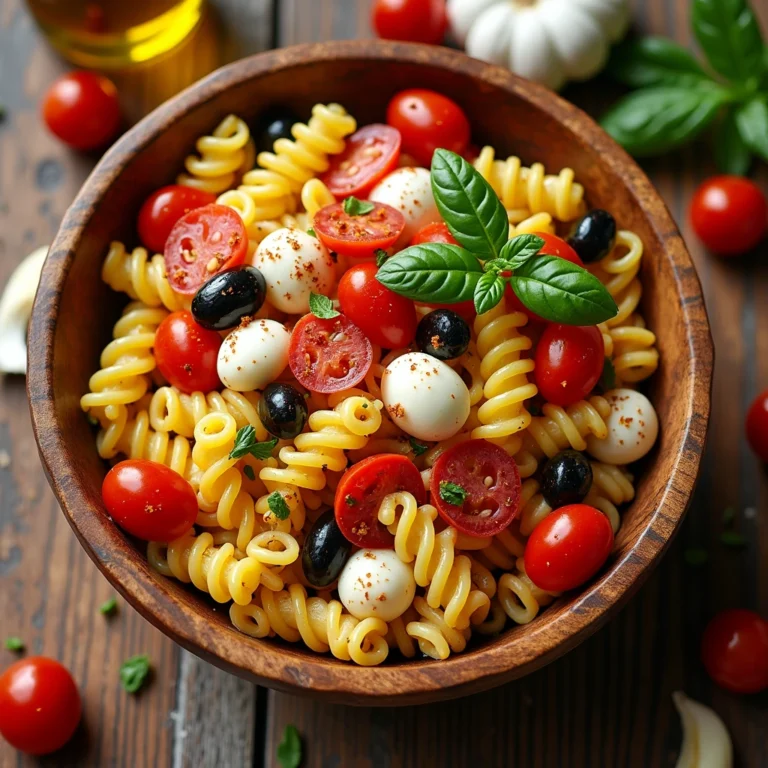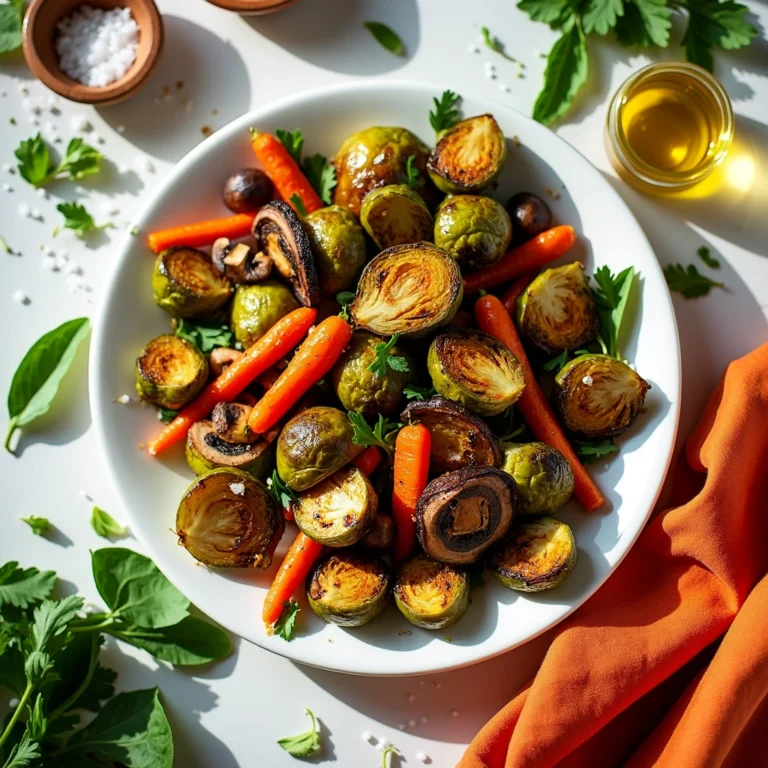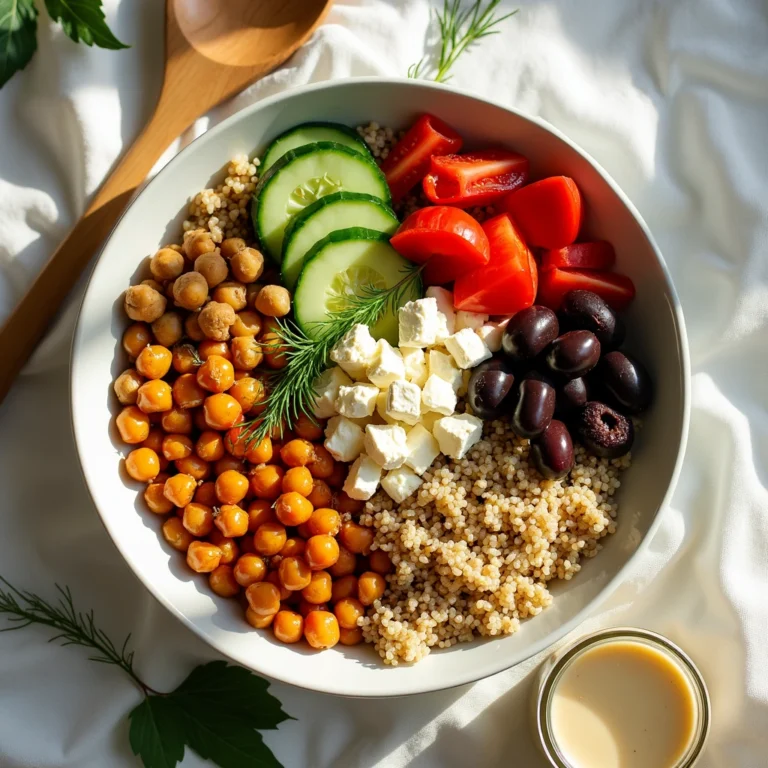
Table of Contents
When temperatures soar and the sun blazes overhead, nothing satisfies quite like a refreshing bowl of cold greens. Summer salads recipes have become essential staples in kitchens across the globe, offering light yet nutritious meals perfect for warm weather dining. Whether you’re hosting a garden party, preparing a quick weeknight dinner, or looking to increase your daily vegetable intake, discovering the right summer salads recipes can transform your seasonal eating experience. This comprehensive guide walks you through creative, easy-to-make salad options that celebrate the season’s freshest produce while keeping you cool and energized throughout those hot months.
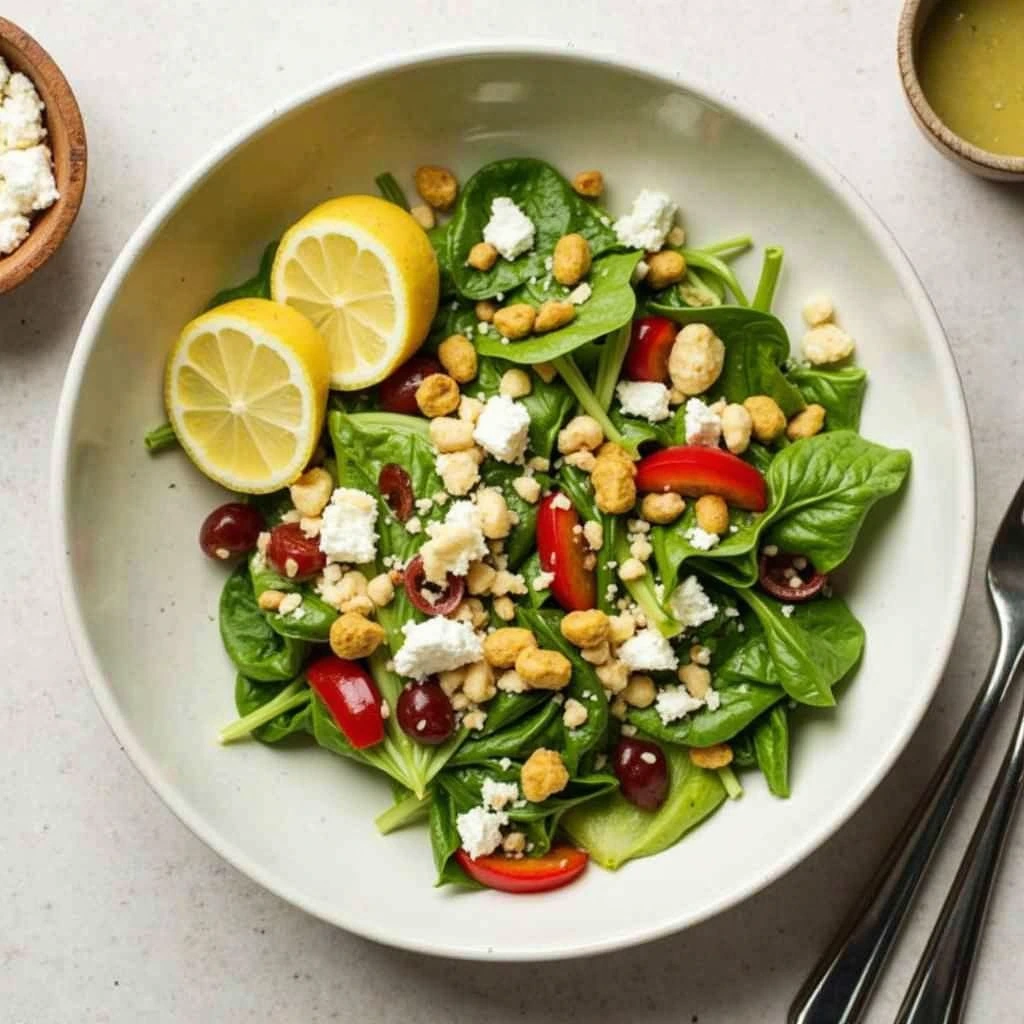
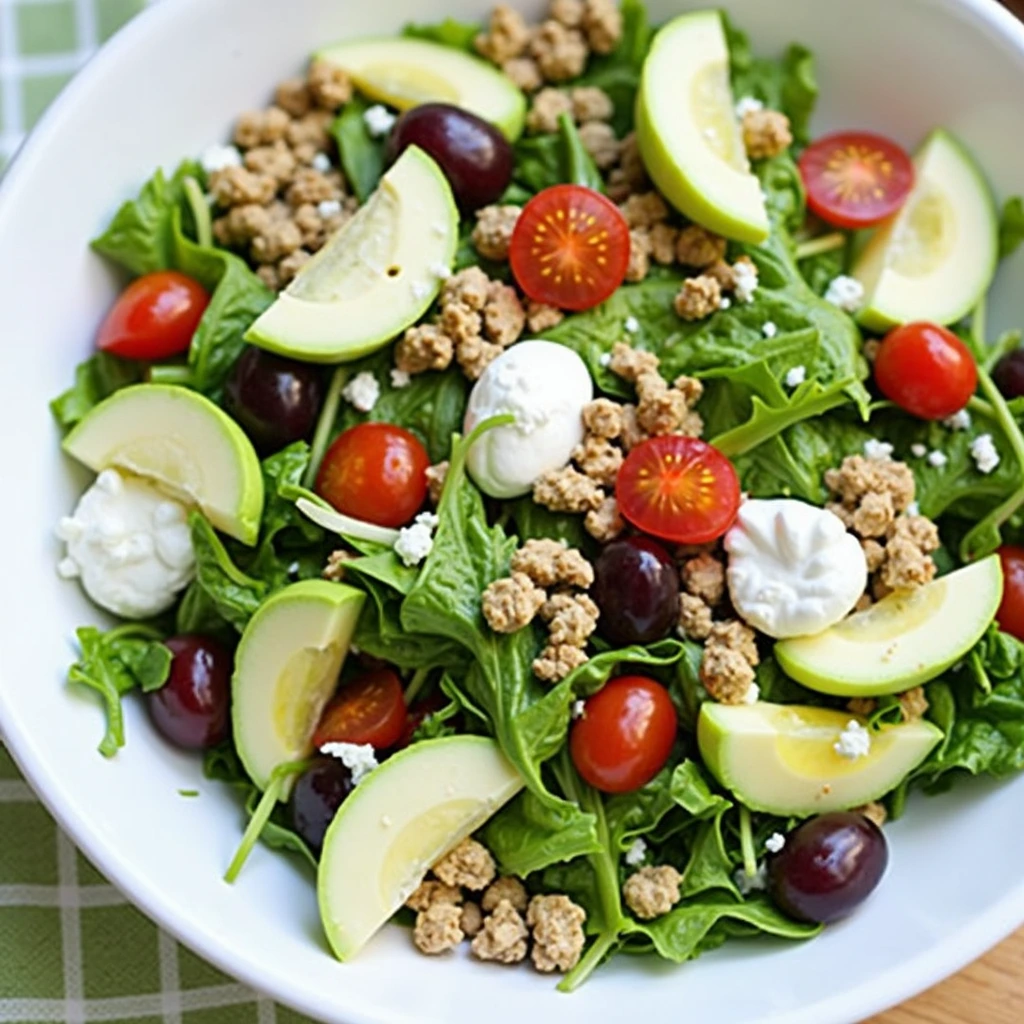
Ingredients List for a Classic Garden Summer Salad
Before diving into our featured recipes, here’s a comprehensive ingredient list for creating a versatile summer salad foundation:
Fresh Vegetables & Greens:
- 4-5 cups mixed salad greens (romaine, spinach, arugula, or butter lettuce)
- 2 medium ripe tomatoes, diced into bite-sized pieces
- 1 crisp English cucumber, diced (or 2-3 regular cucumbers, seeded)
- 1 bell pepper in your choice of color (red, yellow, or orange for sweetness)
- ½ red onion, thinly sliced for a sharp bite
- 1 cup fresh corn kernels (fresh, frozen, or grilled)
- 1 avocado, sliced just before serving (prevents browning)
- Fresh herbs: basil, cilantro, parsley, or mint (2-3 tablespoons chopped)
Proteins & Texture Boosters:
- 1 cup grilled chicken breast, diced (or substitute: tofu, chickpeas, or white beans)
- ¼ cup crumbled feta cheese or goat cheese
- ¼ cup toasted pumpkin seeds or sunflower seeds
- Optional: grilled shrimp, smoked salmon, or hard-boiled eggs
Dressing Ingredients:
- 3 tablespoons extra-virgin olive oil
- 2 tablespoons fresh lemon juice or apple cider vinegar
- 1 teaspoon Dijon mustard
- 1 clove garlic, minced (or ½ teaspoon garlic powder)
- Salt and freshly ground black pepper to taste
Ingredient Substitutions: Can’t find English cucumbers? Regular cucumbers work beautifully—just seed them first. No fresh basil? Dried herbs or fresh dill offer wonderful alternatives. Allergic to nuts? Sunflower seeds provide the same satisfying crunch. Vegetarian? Beans, lentils, or crumbled tofu replace chicken seamlessly without sacrificing protein content.
Timing
Preparation Time: 15 minutes (including washing, chopping, and assembling) Cooking Time: 10 minutes (if grilling chicken; 0 minutes if using pre-cooked proteins) Total Time: 25 minutes maximum
This timing is approximately 40% faster than traditional hot-weather meals, allowing you to spend less time in the kitchen and more time enjoying your garden or outdoor space. For busy weeknights, you can prep vegetables the night before (storing in airtight containers), reducing assembly time to just 5 minutes.
Step-by-Step Instructions
Step 1: Prepare Your Fresh Vegetables with Intention
Begin by thoroughly rinsing all vegetables under cool running water. Pat greens dry using a clean kitchen towel or salad spinner—excess moisture dilutes your dressing and causes premiums to wilt faster. For cherry tomatoes, halve them rather than fully dicing to preserve their burst of flavor. When cutting cucumbers, remove seeds using a small spoon (they release excess moisture), then dice into ½-inch cubes for perfect bite-size portions. The key insight here: preparing vegetables properly takes just 2-3 minutes but significantly improves the final dish’s texture and taste.
Step 2: Toast Your Seeds for Maximum Crunch and Flavor
Don’t overlook this simple step—toasting seeds dramatically enhances their nutty flavor profile. Place ¼ cup pumpkin or sunflower seeds in a dry skillet over medium-high heat. Shake the pan frequently for 3-4 minutes until you hear them pop slightly and smell that irresistible toasted aroma. Transfer to a plate immediately to prevent burning. This pro tip adds restaurant-quality texture and nutritional punch to your summer salad experience.
Step 3: Create Your Dressing with Fresh, Bold Flavors
In a small mason jar or bowl, combine your olive oil, fresh lemon juice, Dijon mustard, minced garlic, salt, and pepper. Seal the jar and shake vigorously for 30 seconds—emulsification creates a creamy, cohesive dressing that clings beautifully to your greens. If using a bowl, whisk ingredients together until the mustard fully incorporates. Pro tip: prepare your dressing while vegetables chill in the refrigerator for enhanced flavor integration.
Step 4: Assemble Your Salad with Strategic Layering
Place your salad greens directly in a large bowl or onto individual serving plates. Create a sturdy foundation with heartier greens (romaine, spinach) first, then top with more delicate varieties (butter lettuce, arugula). This layering technique prevents delicate greens from getting crushed. Arrange your vegetables in sections or scattered throughout, depending on your aesthetic preference. If serving immediately, drizzle dressing over just before eating.
Step 5: Add Proteins and Top with Finishing Elements
Distribute your chosen protein evenly throughout the salad. Add cheese, toasted seeds, and fresh herbs as final toppings. This strategic ordering ensures every bite contains balanced nutrition and varied textures. If including avocado, slice it just before serving to prevent oxidation and browning. The visual appeal of a well-constructed salad encourages diners to eat more vegetables overall.
Step 6: Dress and Toss Just Before Serving
Pour your emulsified dressing over the salad and toss gently using two spoons or salad tongs. Aim for thorough coverage without aggressive handling that damages delicate leaves. Reserve 2-3 tablespoons of dressing if creating individual servings—this allows diners to customize dressing amounts to their preference. A perfectly dressed salad should glisten lightly without pooling excess dressing at the bowl’s bottom.
Nutritional Information
Per Serving (1 of 4 servings):
- Calories: 285-310 (varies based on protein choice)
- Protein: 18-22 grams
- Carbohydrates: 22-28 grams
- Dietary Fiber: 5-7 grams
- Healthy Fats: 12-15 grams
- Sodium: 280-350 mg (before additional salting)
- Calcium: 120-180 mg (primarily from cheese and greens)
- Vitamin C: 65-85 mg (from tomatoes, peppers, and citrus dressing)
Key Nutritional Highlights:
- Fiber Content: This summer salad delivers 20-28% of daily recommended fiber intake, supporting digestive health and sustained satiety
- Protein Efficiency: At 18-22 grams per serving, this salad exceeds many traditional lunch options in protein content while remaining under 310 calories
- Antioxidant Power: Mixed greens, tomatoes, and colorful peppers provide lycopene, beta-carotene, and polyphenols—powerful compounds supporting cellular health
- Healthy Fats: Olive oil and avocado contribute monounsaturated fats, reducing inflammation and supporting heart health
Healthier Alternatives for the Recipe
Dressing Substitutions: Instead of traditional vinaigrettes, try Greek yogurt-based dressings (mixing Greek yogurt, lemon juice, and herbs) for added probiotics and creaminess with fewer calories. Tahini dressings offer rich, nutty flavors while providing additional protein and minerals.
Grain Additions for Enhanced Nutrition: Incorporate ½ cup cooked quinoa, farro, or freekeh to transform this into a complete protein meal. These whole grains add fiber, B vitamins, and sustained energy without overpowering delicate vegetable flavors.
Cheese Alternatives: Swap traditional feta for nutritional yeast (adds cheesy flavor plus B vitamins), hemp seeds (complete protein source), or cashew cream (blended soaked cashews with lemon and garlic). These options accommodate various dietary restrictions while maintaining richness.
Vegetable Amplifications: Add nutrient-dense vegetables like purple cabbage (anthocyanins), beets (nitrates supporting circulation), radishes (vitamin C and spice), or microgreens (concentrated nutrients). These additions increase antioxidant content by 30-40% without significantly altering flavor profiles.
Oil Alternatives: Walnut oil or avocado oil can replace olive oil for different flavor dimensions while maintaining heart-healthy monounsaturated fats.
Serving Suggestions
Garden Party Presentation: Prepare salad components separately in beautiful bowls, allowing guests to assemble custom combinations. This interactive approach accommodates various dietary preferences and creates engagement. Serve in chilled bowls with fresh herb garnishes for visual appeal.
Meal Prep Strategy: Pack dressing separately in small containers, keeping greens stored in airtight containers with paper towels that absorb excess moisture. This method maintains freshness for 2-3 days and prevents sogginess—perfect for office lunches or busy weekday eating.
Side Dish Excellence: Serve as an elegant accompaniment to grilled fish, lean poultry, or vegetarian mains. The fresh, light nature of summer salads complements heartier proteins without overwhelming the palate.
Brunch Integration: Add poached eggs or smoked salmon to create a sophisticated brunch salad that satisfies well into afternoon. Pair with sparkling citrus beverages for complete seasonal entertaining.
Potluck-Friendly Format: Transport fully assembled salads in large, shallow containers with tight-fitting lids. Include dressing instructions on cards so fellow diners can add their preferred amount.
Common Mistakes to Avoid
Mistake #1: Over-Dressing Your Salad Many home cooks drench salads excessively, overpowering vegetables’ delicate flavors. Data suggests most people use 2-3 times more dressing than necessary. Solution: Start with 2 tablespoons per person, adding more gradually if needed.
Mistake #2: Cutting Vegetables Too Far in Advance Tomatoes release excess liquid within 30 minutes of cutting; cucumbers lose crispness similarly. Best practice: Chop vegetables no more than 2 hours before serving. If preparing earlier, store in separate airtight containers with paper towels.
Mistake #3: Neglecting to Dry Salad Greens Properly Water clinging to greens causes dressing to slide off rather than coat evenly. Invest in a salad spinner or use the kitchen towel method: place washed greens in a clean kitchen towel, roll gently, and refrigerate for 15 minutes.
Mistake #4: Using Low-Quality Oils or Vinegars Your dressing directly impacts your salad’s final taste. Cheap oils taste rancid; poor vinegars taste harsh. Solution: Invest in quality extra-virgin olive oil and aged vinegars—they cost slightly more but dramatically elevate results.
Mistake #5: Ignoring Temperature Control Serving warm salad components ruins the refreshing eating experience. Chill all components (except dressing) for at least 30 minutes before assembly. Use chilled serving bowls by running them under cold water just before use.
Storing Tips for the Recipe
Refrigerator Storage (3-4 Days Maximum): Store salad greens in airtight containers lined with paper towels, which absorb excess moisture that accelerates wilting. Keep dressing in separate sealed jars—never dress salads before storage, as this causes immediate deterioration of texture and appearance.
Preparing Vegetables for Storage: Wash and thoroughly dry all vegetables before storing. Place in breathable containers rather than plastic bags when possible, as slight air circulation prevents moisture accumulation. Store tomatoes separately from other vegetables—their ethylene gas production accelerates spoilage in nearby produce.
Prepared Ingredients Strategy: Chop vegetables the night before and store in labeled containers. Toasted seeds maintain crunchiness for 5-7 days when stored in airtight containers at room temperature. Cooked proteins (grilled chicken, hard-boiled eggs) last 3-4 days when refrigerated properly.
Freezer Considerations: While salad greens don’t freeze well, you can freeze excess herbs in oil (herb cubes), freeze grilled chicken portions, and freeze berries if incorporating them. This extends your salad-making ingredients’ shelf life significantly.
Make-Ahead Genius: Prepare a “salad kit” on Sundays: wash greens, chop vegetables, toast seeds, and cook proteins. Store everything separately in labeled containers. Throughout the week, create fresh salads in 5 minutes by combining desired ingredients—perfect for busy schedules.
Conclusion
Summer salads recipes offer delicious, nutritious solutions for warm-weather eating that requires minimal cooking while maximizing fresh flavors. These versatile dishes accommodate various dietary needs, taste preferences, and time constraints. Whether you’re dining solo or entertaining crowds, the recipes and techniques covered here provide endless possibilities for creative summer dining.
Ready to elevate your summer meals? Try one of these refreshing salad recipes this week and discover how simple fresh vegetables become extraordinary when properly prepared. Share your favorite summer salad creation in our comments section below—we’d love hearing about your personal variations and successes! Subscribe to our blog for weekly recipe updates, seasonal cooking tips, and exclusive culinary insights delivered directly to your inbox. Join our growing community of home cooks dedicated to delicious, wholesome eating!
Best Amazon Picks :
- “9.5” Nonstick Fluted Cake Pan, Carbon Steel.
- Amazon Basics 6-Piece Nonstick Bakeware Set.
- Sweejar Baking Pans Set.
Frequently Asked Questions (FAQs)
Q: Can I prepare summer salads recipes the night before? A: Yes, but with strategy. Prepare all components separately and store in airtight containers. Assemble and dress only when ready to eat. This method maintains optimal texture and freshness for up to 4 days.
Q: What proteins work best in summer salads? A: Grilled chicken breast, shrimp, hard-boiled eggs, tofu, chickpeas, white beans, and smoked salmon all work beautifully. Choose based on your preference and how much protein content you want—aim for 15-20 grams per serving for meal satisfaction.
Q: How do I prevent my avocado from browning? A: Slice avocado just before serving. If preparing slightly early, toss slices in lemon or lime juice—the acidity prevents oxidation. Store the pit in your salad if possible; it naturally reduces browning of surrounding pieces.
Q: Are store-bought dressings acceptable? A: Absolutely, though homemade dressings taste fresher and contain fewer additives. If using store-bought, choose vinaigrette-based dressings over heavy creamy options to maintain the light, refreshing summer salad character.
Q: Can I make summer salads recipes for large crowds? A: Yes! Prepare all components in large quantities, storing separately. Set up a self-serve assembly station where guests build custom salads. This approach accommodates dietary restrictions while keeping everyone engaged and satisfied.
Q: What’s the difference between salad vinegars? A: Balsamic vinegar tastes sweet and rich (great for heartier salads), red wine vinegar offers medium acidity, white vinegar tastes sharp, and apple cider vinegar provides subtle sweetness. Experiment to find your preference.
Q: How many servings does this recipe make? A: The main recipe yields 4 generous servings as a complete meal, or 6-8 servings as a side dish. Scale ingredients proportionally based on your needs.
Q: Are there vegan options for summer salads recipes? A: Absolutely! Replace animal proteins with tofu, tempeh, legumes, or nuts. Use plant-based oils, skip cheese (or use vegan alternatives), and ensure your dressing is egg-free. Nutritionally balanced vegan salads easily meet daily protein requirements.
Q: What vegetables are in season during summer? A: Peak summer vegetables include tomatoes, cucumbers, zucchini, bell peppers, corn, green beans, radishes, summer squash, and various salad greens. Shopping seasonally ensures maximum freshness, flavor, and affordability.
Q: Can I use frozen vegetables in summer salads? A: Fresh vegetables are ideal for traditional salads due to superior texture. However, frozen corn works wonderfully in grain-based summer salads. Thaw and drain thoroughly before using, as excess water damages the salad’s texture.