Table of Contents
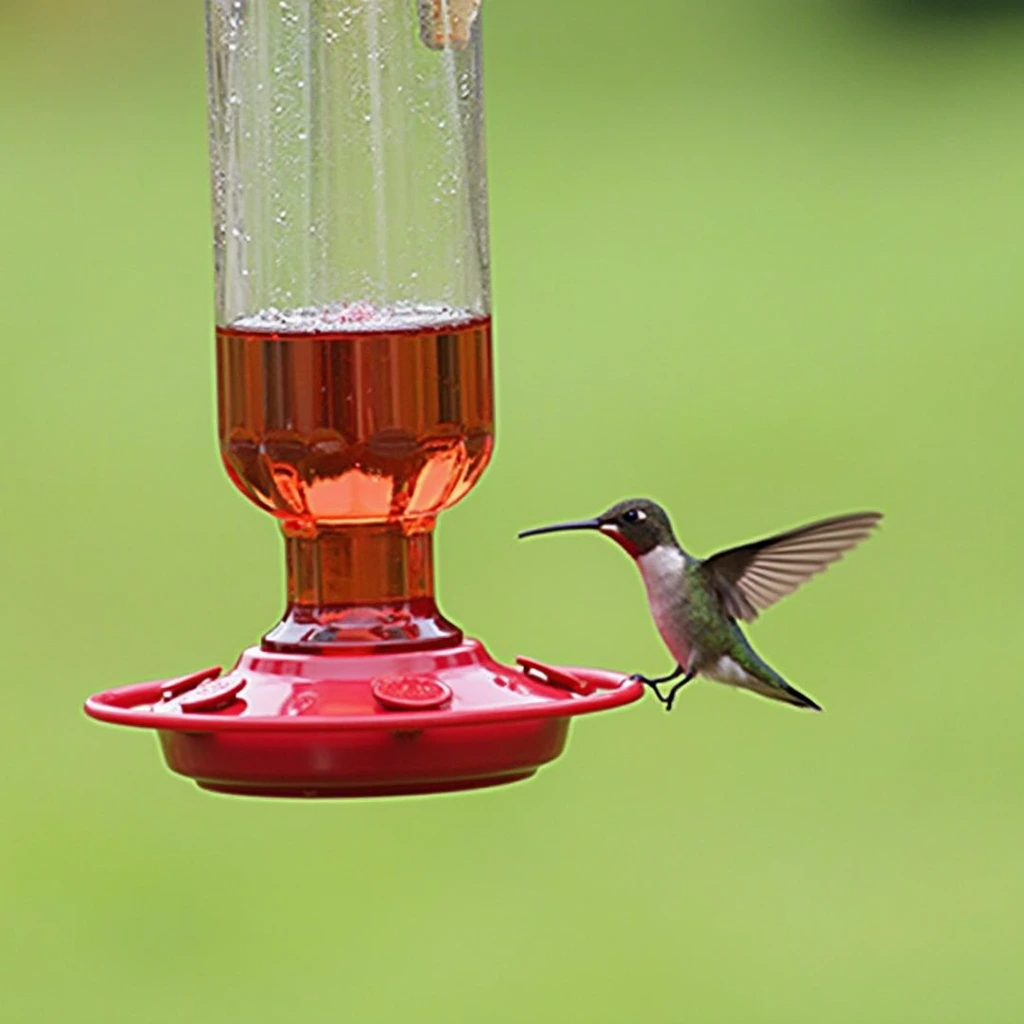
Welcome to your complete guide on making hummingbird nectar recipe that will transform your garden into a vibrant sanctuary for these mesmerizing tiny birds. If you’ve ever witnessed a hummingbird’s iridescent feathers catching the sunlight as it hovers near a feeder, you understand the magic these creatures bring to outdoor spaces. Creating homemade hummingbird food isn’t just about convenience—it’s about providing nutritionally complete sustenance that keeps your feathered visitors healthy, active, and returning season after season. This comprehensive guide will walk you through everything you need to know about preparing the ideal nectar solution, from selecting ingredients to maintaining your feeders.
Ingredients List: What You’ll Need
The beauty of a hummingbird nectar recipe lies in its simplicity. You’ll need just two basic ingredients, with optional additions for enhancement:
Core Ingredients
🌊 Water
- White, filtered, or distilled water. Use spring water if your tap water is heavily chlorinated. The water should be at room temperature or slightly warm to help dissolve sugar efficiently.
🍬 White Granulated Sugar
- Standard table sugar (sucrose) is the primary energy source. Avoid honey, artificial sweeteners, or brown sugar, as these can harm hummingbirds. Use a 1:4 ratio (sugar to water).
⚠️ Important Note: Do NOT use red dye, honey, or artificial sweeteners. These can damage hummingbirds’ organs and metabolic systems. The natural translucent appearance of properly made hummingbird food is sufficient—birds don’t need the red color to recognize feeders.
Optional Ingredients & Substitutions
- Organic Cane Sugar: A premium alternative to white sugar; provides the same energy content with potentially higher mineral content
- Bottled Spring Water: Ideal for regions with poor tap water quality; reduces chlorine exposure
- Pasteurized Honey (tiny amount): While generally avoided, a minimal amount (less than 1%) may provide trace minerals, but research remains inconclusive
Timing: Preparation & Storage Duration
| Task | Duration |
|---|---|
| Preparation Time | 5-10 minutes |
| Cooling Time | 15-20 minutes |
| Total Time Until Ready to Use | 20-30 minutes |
| Refrigerated Shelf Life (unused) | 2 weeks |
| Feeder Freshness (Summer) | 3-5 days before replacement |
| Feeder Freshness (Cooler Weather) | 7-10 days before replacement |
This quick preparation time means you can refresh feeders frequently, ensuring your hummingbirds always have access to the freshest nutrition possible. Making fresh batches twice weekly during peak season takes minimal effort but dramatically improves bird health and attraction.
Step-by-Step Instructions: Making Your Hummingbird Food
Step 1: Measure Your Water
Start by measuring one part white granulated sugar and four parts water. For example, use 1 cup of sugar with 4 cups of water. Pour your water into a clean pot or container. If using tap water with high chlorine content, let it sit uncovered for 15-20 minutes to allow chlorine to dissipate, or use filtered water directly. The water temperature should ideally be warm (not boiling) to facilitate sugar dissolution.
Step 2: Heat the Water (Optional but Recommended)
While not strictly necessary, gently heating the water to about 160-170°F (70-77°C) helps dissolve sugar more completely and faster. This step takes approximately 3-5 minutes on medium heat. You’re not trying to boil the water—just warm it enough to ensure the sugar incorporates smoothly without any granules remaining at the bottom. This prevents fermentation and ensures consistent nutrition delivery to your feathered visitors.
Step 3: Add Sugar Gradually
Slowly add your measured sugar to the warm water while stirring continuously. Add the sugar in stages (roughly four equal portions if making a large batch) rather than all at once. This prevents clumping and ensures even distribution. Use a whisk or spoon to stir thoroughly for about 2-3 minutes until all crystals completely dissolve. You should achieve a clear, translucent liquid with absolutely no visible sugar particles.
Step 4: Cool the Mixture
Once the sugar has completely dissolved, allow the mixture to cool to room temperature. This is crucial—never place hot nectar in feeders, as it can harm hummingbirds’ delicate digestive systems and damage rubber or plastic feeder components. You can speed cooling by transferring the mixture to a shallow container or by placing the pot in cool water. Most mixtures cool sufficiently within 15-20 minutes.
Step 5: Test for Clarity and Consistency
Before filling your feeders, inspect the cooled nectar. It should be completely transparent with a slight amber tint. If you notice cloudiness or any particles, strain through a fine-mesh strainer or cheesecloth. The consistency should be thin and pourable—if it seems too thick, you’ve used too much sugar, and you should add more water to reach the proper 1:4 ratio.
Step 6: Fill Your Feeders
Using a clean funnel or small pitcher, carefully fill your hummingbird feeders, leaving about ½ inch of space at the top. Never overfill, as excess nectar can leak and attract insects. Fill only the amount your birds will consume within 3-5 days during warm weather to prevent fermentation and mold growth.
Step 7: Store Excess Nectar Properly
Any unused homemade hummingbird food should be stored in a sealed glass container in the refrigerator immediately. Properly stored nectar remains viable for up to 2 weeks. Never store in plastic for extended periods, as residual compounds can leach into the mixture. Always bring refrigerated nectar to room temperature before refilling feeders.
Nutritional Information: What Your Hummingbirds Are Getting
Understanding the nutritional profile of your homemade hummingbird nectar recipe helps you appreciate why this simple formula works so effectively. Hummingbirds have extraordinary metabolic demands, with heart rates reaching 500 beats per minute and requiring constant energy fuel.
| Nutrient | Per Serving (1 tablespoon/15ml) | Role in Hummingbird Health |
|---|---|---|
| Calories | 16 calories | Primary energy source for hovering flight and metabolic functions |
| Sucrose (Sugar) | 4g | Rapidly absorbed carbohydrate for immediate energy availability |
| Water | 11g | Hydration and metabolic cooling mechanism |
| Sodium | Trace amounts | Electrolyte balance for cardiac and nervous system function |
| Fiber | 0g | Not needed; balanced by insect consumption |
| Protein | 0g | Obtained from natural insects and flower pollen |
The 1:4 sugar-to-water ratio closely mirrors the sucrose concentration found in natural flower nectar (approximately 20-25% sugar content), making this formula ideal for hummingbird nutrition. Research from the Journal of Avian Biology confirms that hummingbirds consuming properly formulated nectar show equivalent survival rates and breeding success to birds relying solely on natural flowers.
Healthier Alternatives for Your Hummingbird Nectar Recipe
While the basic sugar-and-water recipe is already optimal for hummingbird health, you can make variations to address specific environmental conditions or enhance mineral content:
Organic Cane Sugar Version
Substitute standard white sugar with organic cane sugar using the same 1:4 ratio. This alternative may contain slightly higher mineral concentrations (calcium, potassium, magnesium) naturally present in less-refined sugar. Studies show negligible differences in hummingbird attraction, but some bird enthusiasts report marginally increased visitor frequency.
Low-Chlorine Formula
If your tap water contains excessive chlorine (common in municipal systems), use only filtered or bottled spring water. Research indicates that chronic chlorine exposure may affect hummingbirds’ respiratory systems, particularly in nestlings. This variation costs slightly more but provides significant health benefits, especially for regular feeders in urban areas.
Mineral-Enhanced Version
While controversial, some experts suggest adding a tiny pinch of pure, unsalted trace minerals (less than 1/8 teaspoon per gallon) to mimic natural flower nectar composition more closely. Always use food-grade mineral supplements specifically approved for bird consumption. This enhancement is optional and unnecessary if hummingbirds have access to natural insects.
Boiled-Water Preservation Method
For extended storage, use water that’s been brought to a rolling boil for 2-3 minutes, then cooled completely. This sterilizes the water and dramatically reduces bacterial growth, extending feeder freshness by an additional 2-3 days in warm weather. This method is particularly useful for rural areas where water quality varies seasonally.
Serving Suggestions: Maximizing Your Hummingbird Feeding Experience
Optimal Feeder Placement
Position feeders 5-10 feet from flowering plants, shrubs, or trees where hummingbirds can rest and survey the area safely. Place multiple feeders 15-20 feet apart to reduce aggressive territorial behavior. East or southeast-facing locations receive morning sun, which hummingbirds prefer when initiating their day. Avoid direct afternoon shade, as hummingbirds use sunlight to warm their bodies.
Feeding Schedule Strategy
Refill feeders during early morning (just after dawn) and early evening (just before dusk) when hummingbirds are most active. During peak migration periods (spring and fall), consider maintaining feeders even 2-3 weeks after you’ve stopped seeing visitors, as late-migrating birds depend on these nutritional resources. This simple adjustment can save exhausted birds hundreds of miles of migration energy.
Seasonal Serving Variations
Spring: Use fresher nectar every 2-3 days as temperatures warm. Increase feeder quantity for arriving migrants.
Summer: Replace every 3-5 days; heat speeds fermentation and mold growth. Consider shade for feeders.
Fall: Maintain feeders through late October as migration traffic peaks. Fresh food (5-7 days) remains critical.
Winter: In regions where hummingbirds remain, use heated feeders and replace nectar every 2-3 days to prevent freezing.
Pairing with Natural Nectar Sources
Supplement feeders with native flowering plants that bloom throughout seasons: bee balm, salvia, petunias (spring/early summer), zinnias, and dahlias (mid-summer), and sage and asters (fall). This combination creates a complete nutritional environment and reduces feeder dependence while supporting natural ecosystems.
Common Mistakes to Avoid When Making Your Hummingbird Nectar Recipe
Mistake 1: Using Red Dye or Food Coloring
Hummingbirds don’t need red-colored nectar to identify feeders—they recognize the feeder hardware itself. Red dyes serve no nutritional purpose and may contain harmful compounds. Stick to clear, natural nectar.
Mistake 2: Substituting Honey for Sugar
Honey ferments rapidly in warm conditions and promotes fungal growth (aspergillosis), a potentially fatal condition in hummingbirds. Never use honey as your primary sweetener, regardless of “natural” marketing claims.
Mistake 3: Using Artificial Sweeteners
Aspartame, sucralose, and other artificial sweeteners provide zero calories and fail to fuel hummingbird metabolism. These birds can actually starve consuming artificial sweetener solutions. Always use real sugar exclusively.
Mistake 4: Incorrect Sugar-to-Water Ratio
Using too much sugar (over 25%) concentrates the solution to dangerous levels, affecting osmotic balance in birds’ cells. Too little sugar (under 20%) provides insufficient energy. Maintain the precise 1:4 ratio for optimal results.
Mistake 5: Filling Feeders with Hot Nectar
Scalding hummingbirds’ delicate mouths and digestive tracts with hot liquid causes immediate harm. Always cool nectar to room temperature before filling feeders—wait the full 15-20 minutes after preparation.
Mistake 6: Infrequent Feeder Cleaning
Mold and bacterial growth in feeders threaten hummingbird health more than any other factor. Clean feeders completely every 3-5 days (twice weekly in summer heat) using hot water and gentle brushing without harsh chemicals.
Mistake 7: Neglecting to Change Stored Nectar
Refrigerated homemade hummingbird food loses viability after 2 weeks. Always discard older stored nectar and prepare fresh batches. Old nectar develops bacterial colonies invisible to the naked eye.
Storing Tips for Your Hummingbird Nectar Recipe
✓ Best Practice 1: Use Glass Containers
Store excess nectar in clean glass jars with airtight lids. Glass doesn’t absorb or leach compounds into the solution like plastic does. Ensure containers are absolutely spotless before filling.
✓ Best Practice 2: Refrigerate Immediately
Place prepared nectar in the refrigerator within 30 minutes of cooling. Room temperature storage promotes rapid fermentation and mold growth. Refrigeration extends viability from 3-4 days to 2 weeks.
✓ Best Practice 3: Label with Preparation Date
Use waterproof labels to mark preparation dates on storage containers. This prevents using old batches beyond their 2-week maximum viability. Implement a “first in, first out” rotation system if storing multiple batches.
✓ Best Practice 4: Warm to Room Temperature Before Use
Remove refrigerated nectar 20-30 minutes before filling feeders, allowing it to reach room temperature naturally. Cold nectar stresses hummingbirds and may reduce feeding frequency. Never use microwaves to reheat—they create dangerous hot spots.
✓ Best Practice 5: Maintain Clean Feeders Between Fills
Rinse feeders thoroughly with hot water (no soap) immediately after emptying. Use small bottle brushes to reach interior surfaces where mold begins growing. Allow complete air-drying before refilling to prevent moisture-based contamination.
✓ Best Practice 6: Prepare Fresh Nectar Weekly During Season
Rather than maximizing storage duration, prepare fresh batches weekly to ensure optimal nutrition. Fresh nectar typically attracts more hummingbirds and supports better long-term bird health. This weekly ritual becomes an enjoyable garden routine.
Best Amazon Picks :
- “9.5” Nonstick Fluted Cake Pan, Carbon Steel.
- Amazon Basics 6-Piece Nonstick Bakeware Set.
- Sweejar Baking Pans Set.
Conclusion: Master Your Hummingbird Nectar Recipe
Creating the perfect hummingbird nectar recipe requires just two simple ingredients—white sugar and water in a 1:4 ratio—prepared with basic care and attention. This straightforward formula provides complete nutrition for hummingbirds while remaining affordable, safe, and consistent. By avoiding common mistakes, maintaining proper storage, and refreshing feeders regularly, you’ll create a thriving hummingbird habitat that supports these remarkable creatures through their demanding annual cycles. Your dedication to providing quality homemade food transforms your garden into a sanctuary, rewarding you with countless magical moments watching these tiny birds in action.
Frequently Asked Questions (FAQs)
Q: Can I use brown sugar or other sweeteners for my hummingbird nectar recipe?
A: No. Use only white granulated sugar. Brown sugar contains molasses, which ferments rapidly and promotes dangerous mold growth. Other sweeteners (honey, agave, maple syrup) similarly pose health risks. Stick exclusively to regular white table sugar for bird safety.
Q: How often should I change the nectar in my feeders?
A: Replace nectar every 3-5 days during warm weather (above 70°F) when fermentation accelerates rapidly. In cooler months or shaded feeders, every 7-10 days suffices. When hummingbirds empty a feeder quickly (within 2-3 days), contents remain fresh. When feeders stay full longer, replace more frequently to prevent mold growth that’s invisible but potentially fatal.
Q: Is the 1:4 sugar-to-water ratio always correct, or should I adjust it?
A: The 1:4 ratio (one part sugar to four parts water, creating 20% sucrose concentration) matches natural flower nectar and remains optimal for hummingbirds. Don’t adjust this ratio—higher concentrations stress birds’ kidneys, while lower concentrations fail to provide sufficient energy. This ratio is scientifically proven ideal.
Q: Can I make my hummingbird nectar recipe with boiling water?
A: You can heat water to 160-170°F (70-77°C) to dissolve sugar faster, but avoid rolling boils, which waste energy unnecessarily. Never fill feeders with hot nectar—always cool it completely to room temperature first. This prevents burning hummingbirds’ delicate tissues and damaging feeder materials.
Q: What’s the best container for storing excess hummingbird nectar?
A: Glass containers with airtight lids work best. Avoid plastic, which can leach compounds into nectar over time and may impart chemical flavors hummingbirds detect. Always refrigerate immediately and label with preparation dates. Don’t store prepared nectar longer than 2 weeks, even refrigerated.
Q: Why do my hummingbirds seem less interested in feeders as the season progresses?
A: As late summer approaches and natural flowers bloom abundantly, hummingbirds naturally reduce feeder dependence. They’re not sick or uninterested—they’re simply thriving on diverse natural nectar sources. Continue maintaining feeders during migration periods (late August through October) when birds urgently need refueling for their journey.
Q: Can I add vitamin supplements or minerals to my hummingbird nectar recipe?
A: Generally, no. The basic sugar-and-water formula provides complete energy nutrition. Hummingbirds obtain necessary vitamins, minerals, and proteins from natural insects they consume alongside nectar. Adding supplements risks altering the precise osmotic balance birds evolved to metabolize. Stick to the proven basic formula.
Q: Is it safe to use tap water with chlorine in my hummingbird nectar recipe?
A: Most municipal tap water chlorine levels are safe for hummingbirds. However, if your water tastes or smells strongly chlorinated, let tap water sit uncovered for 15-20 minutes before using (chlorine dissipates naturally), or switch to filtered water. Heavy chlorination may gradually stress birds’ respiratory systems over time.