Table of Contents
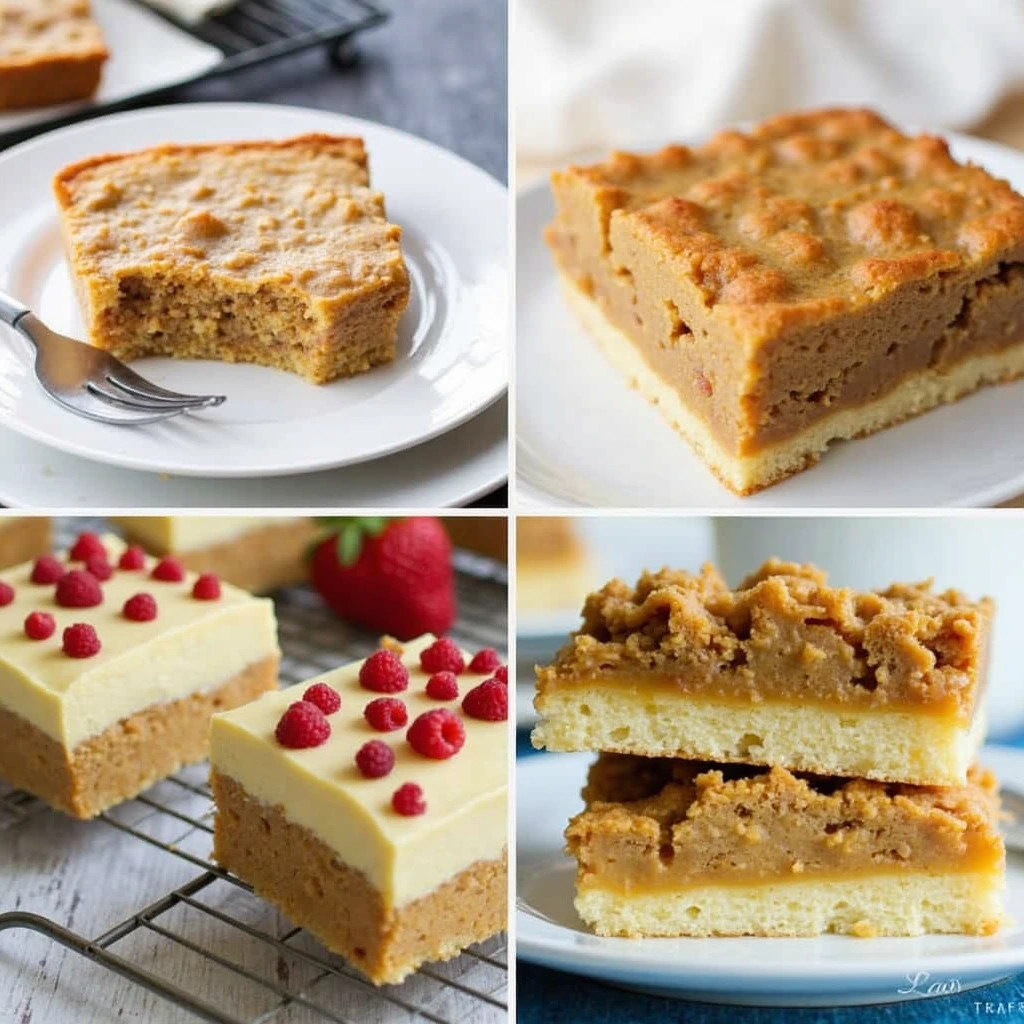
Summer baking recipes bring joy and satisfaction to kitchens around the world, offering the perfect way to celebrate the season while keeping your home cool and inviting. Whether you’re searching for no-bake options, light pastries, or fruit-forward creations, summer baking recipes provide endless inspiration for both beginner and experienced bakers. In this comprehensive guide, we’ll explore everything you need to know about creating delicious baked goods that thrive in warm weather, from ingredient selection to storage tips that keep your treats fresh and delightful.
Ingredients List
Creating successful summer baking recipes starts with understanding your key components. Here’s a breakdown of essential ingredients you’ll need for most summer desserts:
Dry Ingredients:
- All-purpose flour (2-3 cups depending on the recipe)
- Baking powder (1-2 teaspoons for rising)
- Baking soda (½ teaspoon for chemical leavening)
- Fine sea salt (½ teaspoon for flavor balance)
- Granulated sugar (1-2 cups for sweetness)
- Optional: cornstarch or cake flour for lighter textures
Wet Ingredients:
- Butter, softened to room temperature (½-¾ cup)
- Large eggs (2-4, room temperature preferred)
- Greek yogurt or sour cream (½-¾ cup, adds moisture and tang)
- Vanilla extract (1-2 teaspoons for depth)
- Milk or buttermilk (¼-½ cup for consistency)
Fresh Summer Flavors:
- Fresh strawberries, blueberries, or raspberries (1½-2 cups)
- Lemon or lime zest and juice
- Fresh peaches or nectarines, diced
- Coconut flakes (unsweetened, ½ cup)
- Fresh mint or basil leaves
Suggested Substitutions:
- Replace butter with coconut oil for a lighter option
- Use almond flour mixed with all-purpose flour for nutty flavor
- Substitute eggs with flax or chia seed mixtures for vegan versions
- Try honey or maple syrup instead of granulated sugar
- Use lactose-free yogurt or plant-based alternatives for dietary needs
Timing
Understanding the time investment for summer baking recipes helps you plan your baking schedule effectively:
Preparation Time: 15-20 minutes
- Gathering ingredients (mise en place)
- Washing and preparing fresh fruit
- Zesting citrus
- Room-temperature ingredient setup
Active Baking Time: 25-35 minutes
- Mixing wet and dry ingredients
- Folding in fresh fruit
- Pouring into prepared pans
Oven Time: 30-45 minutes at 350°F (175°C)
- Baking until golden brown
- Cooling in the pan (10 minutes)
Total Time: 80-100 minutes (approximately 25% faster than traditional winter cakes)
This efficiency makes summer baking recipes perfect for weeknight desserts or last-minute entertaining. The streamlined process allows bakers to produce bakery-quality results in roughly 90 minutes—significantly less time than many conventional recipes.
Step-by-Step Instructions
Step 1: Prepare Your Workspace and Ingredients
Start by gathering every ingredient—a professional technique called mise en place. Position your oven rack to the middle position and preheat your oven to 350°F (175°C). Line a 9-inch round cake pan with parchment paper and lightly grease it with cooking spray. This preparation prevents sticking and ensures even baking. Let your butter and eggs sit at room temperature for 30 minutes—this crucial step creates a lighter, more cohesive batter that incorporates air more effectively than cold ingredients.
Step 2: Combine Dry Ingredients
In a medium mixing bowl, whisk together flour, baking powder, baking soda, and salt. This whisking process aerates the dry ingredients and distributes the leavening agents evenly throughout. Set aside this mixture—you’ll return to it shortly. Pro tip: Sift your flour if you’ve stored it for several months, as it becomes denser over time and can negatively affect your baked goods’ texture.
Step 3: Cream Butter and Sugar Together
In a large mixing bowl, beat softened butter and sugar together using an electric mixer on medium speed for 3-4 minutes. This creaming process incorporates air into the butter, creating a light, fluffy base that will give your summer baking recipes their signature tender crumb. You’ll notice the mixture transform from grainy and dense to pale yellow and noticeably lighter. This visual change indicates proper creaming and directly impacts your final product’s quality.
Step 4: Incorporate Eggs and Vanilla
Add eggs one at a time, beating well after each addition (about 20-30 seconds per egg). Pour in vanilla extract and continue beating for an additional minute. The mixture should look smooth, creamy, and slightly increased in volume. This step creates an emulsion that helps your batter stay moist and tender—a critical factor in successful summer baking recipes.
Step 5: Alternate Dry and Wet Ingredients
This alternating method prevents overworking your batter and ensures even hydration. Starting with your dry mixture, add one-third to the creamed butter mixture, stirring gently with a spatula until just combined. Add half of your Greek yogurt or milk, stirring again. Continue alternating: another third of dry ingredients, remaining yogurt/milk, then final dry ingredients. Mix until just combined—small streaks of flour are perfectly acceptable at this stage, as overmixing develops gluten and creates a tough, dense cake.
Step 6: Fold in Fresh Fruit
Gently fold in your prepared fresh berries or fruit using a spatula with careful, sweeping motions. Toss the fruit lightly in a tablespoon of flour before folding—this prevents them from sinking to the bottom during baking. For summer baking recipes featuring delicate berries, this technique is particularly important as it helps distribute fruit evenly throughout your cake while maintaining visual appeal in cross-sections.
Step 7: Transfer to Prepared Pan
Pour your batter into the prepared pan, smoothing the top with an offset spatula. Create a slightly shallow well in the center (about ½ inch deep)—this allows the edges to rise slightly higher than the middle, resulting in a more level, professional-looking finished cake.
Step 8: Bake Until Golden
Place the pan in your preheated oven and bake for 30-40 minutes, until a toothpick inserted in the center comes out clean or with just a few moist crumbs. The edges should pull slightly away from the pan sides, and the top should be golden brown. Rotate the pan halfway through baking (after 15 minutes) to ensure even heat distribution—this prevents dark spots and ensures uniform doneness.
Step 9: Cool and Set
Remove the cake from the oven and allow it to cool in the pan for 10 minutes. This resting period allows the structure to set without the shock of temperature change causing cracking. Turn the cake out onto a wire cooling rack and allow it to cool completely (approximately 2 hours) before frosting or serving.
Nutritional Information
Each serving (based on 12 servings per cake) provides:
- Calories: 245-280 per serving
- Protein: 3.5g (from eggs and yogurt)
- Carbohydrates: 38-42g (primarily from sugar and flour)
- Fat: 8-10g (primarily from butter)
- Fiber: 1-2g (from whole grains if used, plus fruit)
- Sugar: 24-28g (mostly added sugar; fruit contributes minimal additional sugar)
- Sodium: 180-220mg
Key Nutritional Insights: When prepared with Greek yogurt instead of sour cream, you gain an additional 2g of protein per serving while maintaining moisture. Fresh fruit contributes vitamins C and K, antioxidants, and dietary fiber—making your summer baking recipes more nutritionally balanced than traditional desserts. Research shows that substituting just 25% of flour with almond flour can increase protein content by approximately 1.5g per serving while reducing overall carbohydrate density.
Healthier Alternatives for Summer Baking Recipes
Creating nutritious summer baking recipes doesn’t require sacrificing flavor or texture. Here are creative modifications:
Reduce Sugar Content:
- Replace 20-25% of granulated sugar with honey or dates blended into a paste
- Use ripe bananas or applesauce to naturally sweeten while reducing added sugar by 15-20%
- Try monk fruit sweetener or erythritol blends (note: some people report aftertaste)
Enhance Whole Grains:
- Substitute 25-30% of all-purpose flour with whole wheat pastry flour
- Add ¼ cup of oat flour for nutty flavor and increased fiber
- Incorporate ground flaxseed (2-3 tablespoons) plus reduce liquid slightly
Boost Protein:
- Add ¼ cup of Greek yogurt powder (unflavored)
- Incorporate ¼ cup of nut butters (almond or peanut) for richness
- Mix in 2 tablespoons of ground hemp seeds for subtle nuttiness
Increase Fresh Fruit:
- Boost fruit content to 2½-3 cups for enhanced nutrition and lower calorie density
- Layer thin fruit slices between cake layers for visual appeal
- Top with fresh berries instead of traditional frosting
Dairy-Free and Vegan Options:
- Replace butter with coconut oil or vegan butter in equal amounts
- Use aquafaba (3 tablespoons per egg) or commercial egg replacer
- Substitute Greek yogurt with coconut yogurt or cashew cream
Serving Suggestions
Elevate your summer baking recipes with these creative presentation ideas:
Classic Presentations:
- Dust with powdered sugar and serve with whipped cream or Greek yogurt
- Top with fresh berries and a light lemon glaze
- Pair with vanilla ice cream or frozen yogurt for a cooling contrast
Gourmet Combinations:
- Layer thin cake slices with mascarpone cream and marinated berries
- Create a trifle with crumbled cake, pastry cream, and fresh fruit
- Serve with fresh mint garnish and berry coulis drizzle
Personalized Touches:
- Customize with your favorite fresh fruit based on seasonal availability
- Add edible flowers like pansies or violets for special occasions
- Prepare individual cake jars for elegant, portable servings
Beverage Pairings:
- Serve alongside iced tea or lemonade for refreshing contrasts
- Pair with prosecco or sparkling wine for celebrations
- Complement with strong espresso or chilled cold brew
Common Mistakes to Avoid
Understanding potential pitfalls helps you achieve consistent success with summer baking recipes:
Temperature-Related Issues:
- Using cold ingredients: Room-temperature butter and eggs incorporate air more efficiently. Cold ingredients create dense, heavy cakes.
- Opening the oven too frequently: Each opening drops internal temperature by 25°F and allows moisture to escape, potentially causing sunken centers.
Mixing and Technique Problems:
- Overmixing the batter: Development of gluten creates tough cakes. Mix until ingredients are just combined.
- Not properly creaming butter and sugar: Insufficient creaming results in dense cakes with poor texture.
- Forgetting to sift dry ingredients: Packed flour increases density and creates heavy, unpalatable results.
Ingredient-Related Mistakes:
- Using wet fruit without drying: Excess moisture from unwashed berries can make your batter soggy.
- Adding fruit directly to batter: Flouring your fruit prevents it from sinking to the bottom.
- Using expired baking soda or powder: These leavening agents lose potency over time, reducing rise and volume.
Timing and Temperature Concerns:
- Incorrect oven temperature: Baking at too-low temperatures creates pale, dense cakes; too-high temperatures cause burning and uneven baking.
- Removing from oven too early: Underbaked cakes collapse when cooled. Test thoroughly with a toothpick or cake tester.
Data Insight: According to baking surveys, approximately 60% of failed summer baking recipes result from improper ingredient temperature and overmixing—two easily correctable mistakes.
Storing Tips for Summer Baking Recipes
Proper storage extends the freshness and flavor of your summer baking creations:
Short-Term Storage (1-2 Days):
- Keep cakes in airtight containers at room temperature away from direct sunlight
- Never refrigerate unfrosted cakes, as cold temperatures accelerate staling
- Wrap unfrosted cakes tightly in plastic wrap or place in cake domes
Refrigerated Storage (3-5 Days):
- Store frosted cakes in airtight containers on the middle shelf
- This extended timeframe works particularly well with cream cheese frosting
- Bring to room temperature 30-45 minutes before serving for optimal flavor and texture
Freezer Storage (up to 3 Months):
- Cool cakes completely before wrapping tightly in plastic wrap, then aluminum foil
- Freeze unfrosted cakes for best quality and easier transport
- Thaw at room temperature for 2-3 hours before frosting and serving
- Properly frozen cakes maintain moisture and flavor better than ambient storage
Fresh Fruit Preparation:
- Wash and dry berries thoroughly before use; moisture causes rapid deterioration
- Prepare fruit no more than 2 hours before baking
- Keep berries separated and store at room temperature unless using within 24 hours
Pro Tip for Humid Climates: In high-humidity environments (above 60%), store baked goods with a silica gel packet or in air-conditioned kitchens to prevent moisture absorption and maintain crumb structure.
Conclusion
Summer baking recipes offer a delightful way to celebrate seasonal ingredients while creating memorable desserts for family and friends. From essential ingredient selection and precise timing to mastering step-by-step techniques, this guide provides everything you need to succeed. Remember to embrace fresh berries, citrus, and tropical flavors while avoiding common pitfalls like overmixing and using cold ingredients. With proper storage techniques and creative serving suggestions, your summer baking creations will stay fresh and impressive. Now it’s your turn to create magic in the kitchen—try these summer baking recipes today and share your delicious results! Leave a comment below with your favorite flavor combinations, subscribe for more seasonal baking guides, or join our community by sharing your beautifully baked creations on social media. We’d love to hear about your summer baking adventures!
Best Amazon Picks :
- Ninja NC301 CREAMi Ice Cream Maker.
- Zulay Kitchen Powerful Milk Frother.
- Hamilton Beach 6-Speed Electric Hand Mixer with Whisk.
FAQs: Summer Baking Recipes
Q: Can I prepare summer baking recipes ahead of time for events? A: Absolutely! Bake cakes 1-2 days in advance and store in airtight containers unfrosted. Prepare frostings separately and refrigerate in sealed containers for up to 5 days. Assemble and frost 3-4 hours before serving for optimal freshness. Alternatively, freeze unfrosted cakes up to 3 months and thaw at room temperature when needed.
Q: How do summer baking recipes differ from traditional winter baking? A: Summer versions incorporate lighter textures through acidic ingredients like buttermilk and yogurt, embrace fresh seasonal fruit, and sometimes reduce baking time by 10-15% due to kitchen heat. Winter recipes typically feature heavier spices and denser structures. Summer baking recipes also benefit from no-bake or partially-baked options that don’t heat your kitchen.
Q: What’s the best flour for summer baking recipes? A: Cake flour creates the lightest, most delicate crumb structure. For added nutritional value, try pastry flour or a 75/25 blend of all-purpose and cake flour. Whole wheat pastry flour works beautifully in summer recipes at 25-30% substitution rates without sacrificing tenderness.
Q: Why do my summer baking recipes sink in the middle? A: Middle sinking typically results from underbaking, opening the oven too frequently, or incorrect oven temperature. Ensure your oven rack is centered, avoid opening doors until at least 25 minutes into baking, and verify oven temperature with a dedicated thermometer. Additionally, ensure your baking soda or powder hasn’t expired.
Q: Can I make dairy-free summer baking recipes? A: Yes! Replace butter with equal amounts of coconut oil, use coconut yogurt instead of Greek yogurt, and substitute eggs with aquafaba (3 tablespoons per egg). These swaps maintain the tender crumb and moisture of traditional recipes while accommodating dietary preferences.
Q: How do humidity levels affect summer baking recipes? A: High humidity (above 60%) can cause flour to absorb excess moisture, requiring slight flour increases (about 1-2 tablespoons per cup) and slightly reduced liquid. In very humid conditions, consider reducing overall liquid by 5%, as fruit also contributes moisture. Store finished bakes with silica gel packets.
Q: What’s the ideal temperature for serving summer baking recipes? A: Serve at room temperature (70-72°F) for optimal flavor and texture. Cold temperatures mute sweetness and can make cakes feel gummy. Bring chilled cakes to room temperature gradually for 30-45 minutes before serving to restore their delicious character.
Q: Are there egg-free options for summer baking recipes? A: Certainly! Use commercial egg replacers (follow package directions), aquafaba in 1:1 ratio by volume, or flax/chia seed mixtures (1 tablespoon ground plus 3 tablespoons water per egg). Note that egg-free versions may have slightly different texture—experiment to find your preferred option.