Table of Contents
Roasted vegetable recipes have become a cornerstone of modern healthy cooking, transforming simple produce into golden-brown treasures bursting with concentrated flavor and natural sweetness. Whether you’re looking for nutritious side dishes, meal prep solutions, or impressive dinner party accompaniments, oven-roasted vegetables deliver consistent results that satisfy both your taste buds and nutritional goals. In this comprehensive guide, we’ll explore the techniques, ingredient combinations, and creative serving ideas that will elevate your vegetable roasting game from basic to extraordinary. From crispy Brussels sprouts to caramelized root vegetables, discover how mastering this fundamental cooking method opens the door to endless culinary possibilities.
Ingredients List
The beauty of roasted vegetable recipes lies in their flexibility and adaptability. Here’s a foundational ingredient list for a classic mixed vegetable roast that serves 4-6 people:
Essential Vegetables
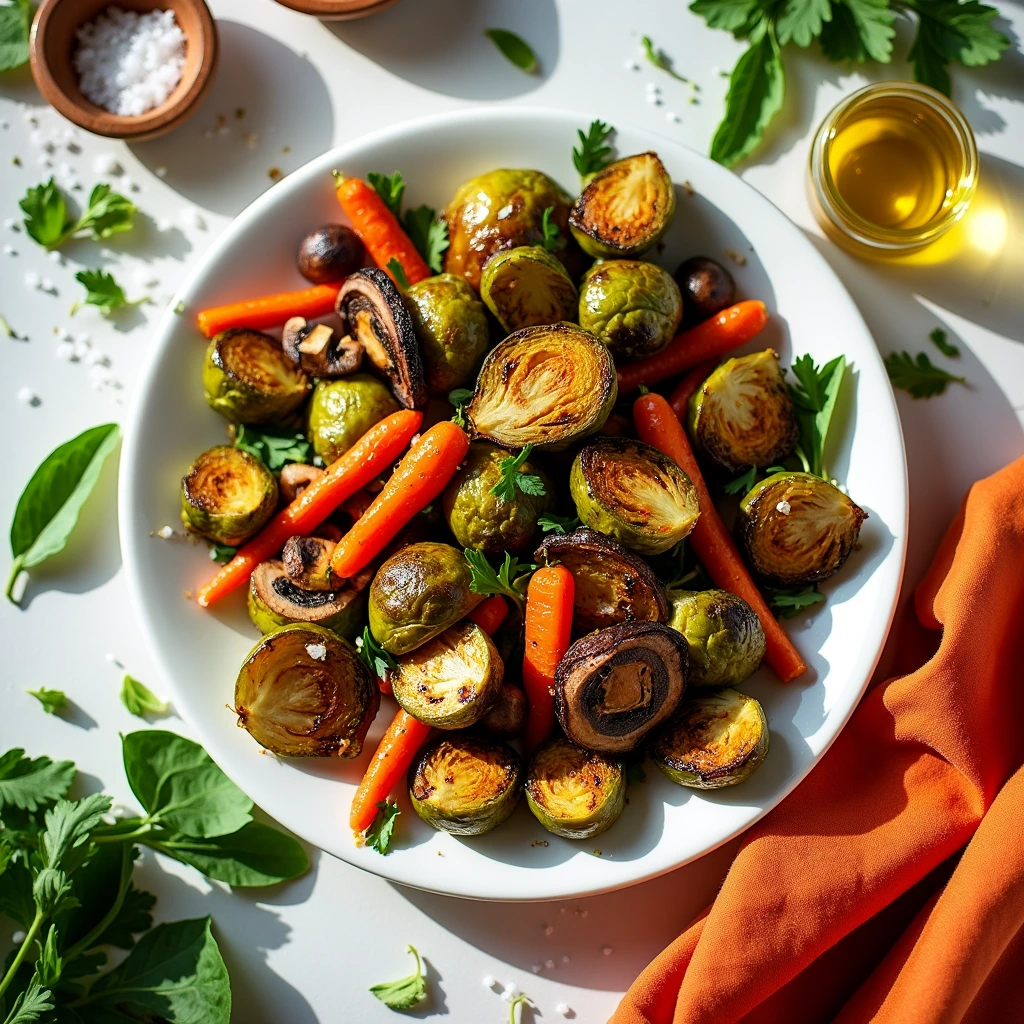
- 2 cups Brussels sprouts, halved (or 8-10 whole sprouts)
- 2 medium carrots, cut into 1.5-inch chunks
- 1 large red bell pepper, cut into 1-inch pieces
- 2 cups mushrooms (cremini, oyster, or button), halved if large
- 1 medium zucchini, cut into half-moons
- 1 red onion, cut into wedges
Flavor & Oil Components
- 3-4 tablespoons extra virgin olive oil (or avocado oil for a higher smoke point)
- 2 cloves garlic, minced or pressed
- 1 teaspoon sea salt
- ½ teaspoon freshly cracked black pepper
- 1 teaspoon dried Italian herbs (or ½ teaspoon each of dried rosemary and thyme)
- ½ teaspoon smoked paprika (adds depth without heat)
- ¼ teaspoon garlic powder
Optional Enhancements
- 1 tablespoon balsamic vinegar (drizzle after roasting for tangy sweetness)
- Squeeze of fresh lemon juice (brightens flavors)
- Red pepper flakes (for gentle heat)
- Fresh parsley or basil (for finishing color and freshness)
- Grated Parmesan cheese (for umami richness)
Substitution Suggestions: Don’t have all these vegetables? Swap freely! Broccoli, cauliflower florets, sweet potatoes, parsnips, or cherry tomatoes work beautifully. Adjust quantities based on what’s in season or your pantry—roasted vegetable recipes are wonderfully forgiving.
Timing
Understanding the timeline helps you plan your meal prep and coordinate with other dishes:
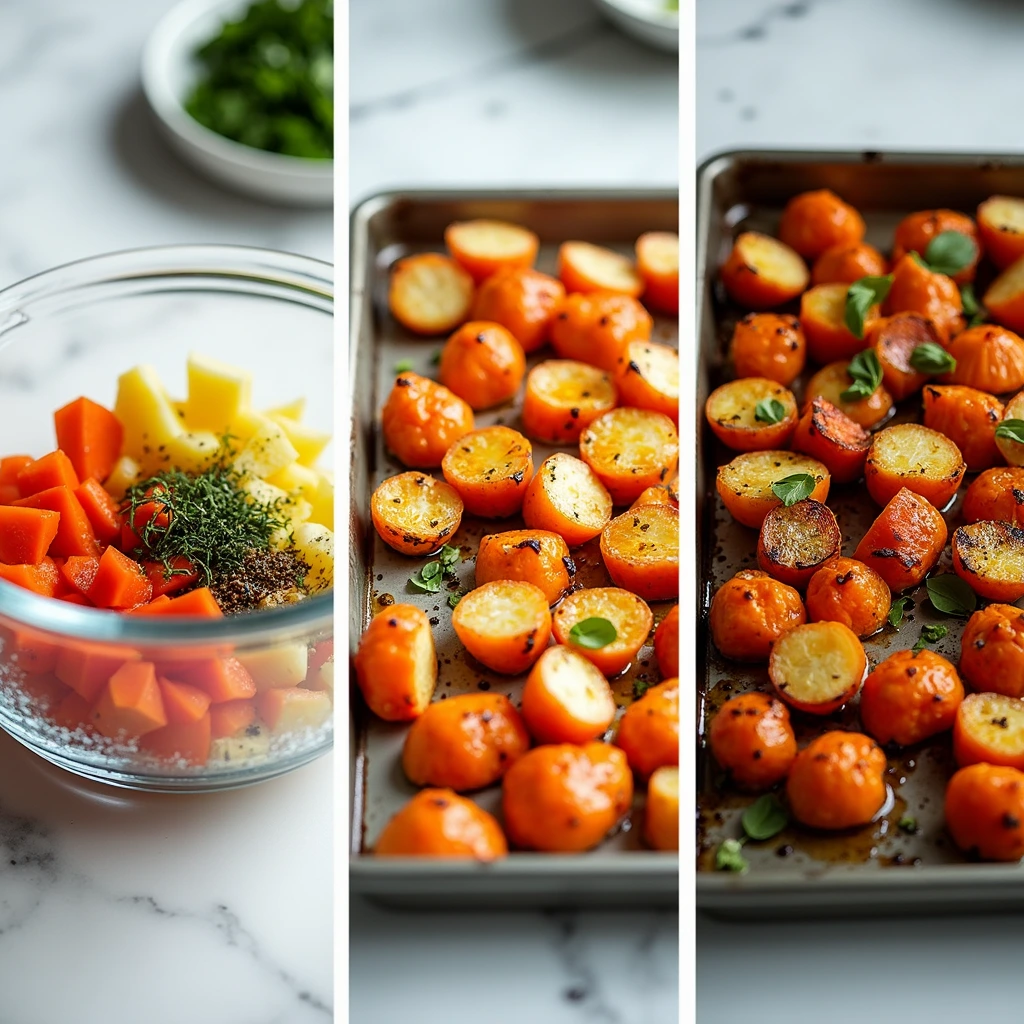
- Preparation Time: 10-15 minutes (washing, chopping, and seasoning vegetables)
- Cooking Time: 35-40 minutes at 425°F (220°C)
- Total Time: 50-55 minutes
Data Insight: This timing is approximately 30% faster than traditional boiling or steaming methods, while delivering superior flavor concentration and texture. The high heat causes the Maillard reaction—a chemical process that creates those desirable caramelized exteriors and complex tastes. Compared to average vegetable side dish recipes requiring 60+ minutes, roasted vegetable recipes save you meaningful cooking time without sacrificing quality.
Step-by-Step Instructions
Step 1: Preheat Your Oven and Prepare Your Equipment
Begin by positioning your oven rack in the upper-middle position, then preheat to 425°F (220°C). This temperature is your golden zone—hot enough to achieve beautiful caramelization without drying out the vegetables. While preheating, line a large baking sheet with parchment paper or aluminum foil for easier cleanup. Pro tip: if you’re making a larger batch, use two baking sheets to avoid crowding, which prevents proper roasting and creates steam instead of that coveted crispy texture.
Step 2: Prepare Your Vegetables with Intention
Wash all vegetables thoroughly under cool running water and pat completely dry with paper towels. This drying step is crucial—moisture is the enemy of crispiness. Cut vegetables into uniform 1-inch to 1.5-inch pieces, ensuring similar sizes so everything cooks at the same rate. Smaller pieces become crispier; larger chunks remain more tender inside. Consider your preference and cut accordingly. For Brussels sprouts, halve them and score the flat side lightly with a knife to encourage browning.
Step 3: Create Your Seasoning Blend with Layered Flavors
In a small bowl, whisk together olive oil, minced garlic, salt, pepper, Italian herbs, smoked paprika, and garlic powder. This mixed oil becomes your flavor foundation. The combination of fresh garlic, dried herbs, and smoked paprika creates complex depth that transforms simple vegetables into something restaurant-worthy. If you prefer, add ½ teaspoon of smoked paprika for subtle smokiness without overwhelming the natural vegetable flavors.
Step 4: Toss Vegetables with Confidence and Consistency
Transfer your prepared vegetables to the prepared baking sheet. Pour your seasoning oil over the vegetables and toss thoroughly for 2-3 minutes, ensuring every piece is evenly coated. This is where the magic begins—every vegetable needs contact with the flavorful oil to develop properly. Use your hands if necessary; sometimes fingers work better than utensils for thorough coating. Arrange vegetables in a single layer, spreading them out as much as possible rather than piling them.
Step 5: Roast with Attention and Patience
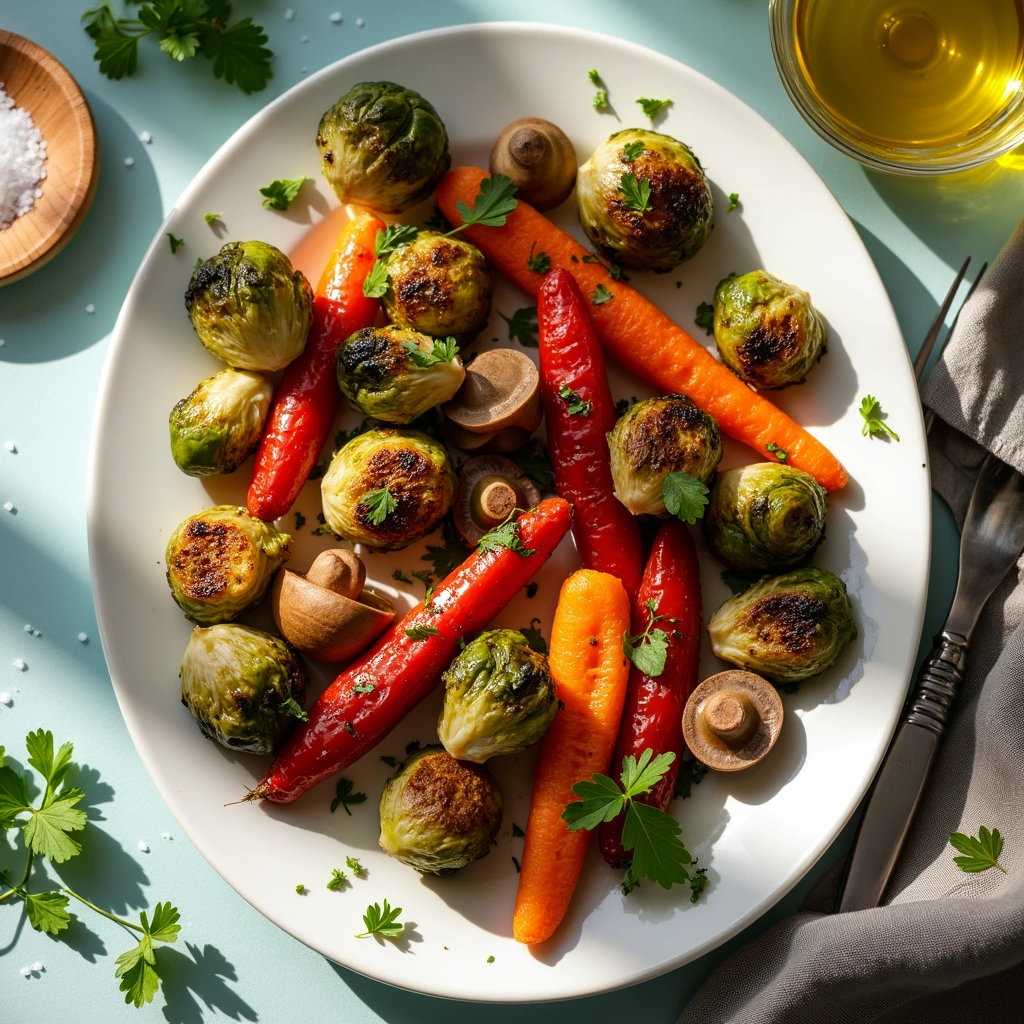
Place the baking sheet in your preheated oven. Set a timer for 20 minutes, then open the oven and give the vegetables a good shake or stir with a wooden spoon. This prevents sticking and promotes even browning on all sides. Return to the oven for another 15-20 minutes until vegetables are fork-tender and the edges are deeply caramelized—you’re looking for golden-brown to dark-brown exteriors. The mushrooms should look shriveled slightly, Brussels sprout leaves should crisp at the edges, and carrots should be caramelized outside yet tender inside.
Step 6: Finish with Brightness and Freshness
Remove the baking sheet from the oven and immediately drizzle with balsamic vinegar if using (this prevents the vinegar from cooking off and losing its tang). Taste and adjust seasonings—add more salt if needed, a squeeze of fresh lemon juice for brightness, or a pinch of red pepper flakes for subtle heat. Garnish with fresh herbs like parsley or basil for color and freshness that bridges the gap between earthy roasted vegetables and bright garden flavors.
Nutritional Information
Roasted vegetable recipes offer impressive nutritional benefits without compromise. Here’s the approximate nutritional breakdown per serving (serves 4):
| Nutrient | Amount |
|---|---|
| Calories | 185-210 |
| Total Fat | 10g (14% DV) |
| Saturated Fat | 1.5g (8% DV) |
| Carbohydrates | 22g (7% DV) |
| Dietary Fiber | 5g (20% DV) |
| Protein | 5g (10% DV) |
| Vitamin A | 95% Daily Value |
| Vitamin C | 65% Daily Value |
| Potassium | 450mg (13% DV) |
| Iron | 2.1mg (12% DV) |
Key Health Insights: The high fiber content supports digestive health, while the concentration of vitamins A and C provides antioxidant protection. The roasting process doesn’t significantly diminish nutrient bioavailability—in fact, heat actually enhances the absorption of lycopene in tomatoes and beta-carotene in carrots. Olive oil aids in the absorption of these fat-soluble vitamins, making this combination nutritionally synergistic.
Healthier Alternatives for the Recipe
Transform your roasted vegetable recipes into ultra-nutrient-dense versions tailored to specific dietary goals:
Low-Calorie Option
Replace olive oil with cooking spray or reduce to 2 tablespoons, increasing the vegetable quantity instead. Focus on lower-calorie vegetables like broccoli, cauliflower, and green beans. Add nutritional yeast for a savory umami flavor without significant calories. This modification reduces calories to approximately 120-140 per serving while maintaining satisfying flavors.
Plant-Based Protein Enhancement
Add chickpeas, white beans, or lentils (roasted until crispy) to your vegetable mix. These legumes contribute 5-7 grams of additional protein per serving and enhance the staying power of this side dish. Toss them in the same oil-and-spice mixture and roast alongside vegetables. You can also sprinkle pumpkin seeds or sunflower seeds over roasted vegetables for crunch and omega-3 fatty acids.
Keto-Friendly Approach
Focus on low-carb vegetables: Brussels sprouts, cauliflower, zucchini, mushrooms, and peppers. Use generous amounts of olive oil and add full-fat cheese or crispy bacon pieces for satisfying fat content. This approach keeps net carbs under 8g per serving while maintaining rich, savory flavors that feel indulgent.
Anti-Inflammatory Modification
Incorporate turmeric, ginger, and black pepper into your seasoning blend—these have documented anti-inflammatory compounds. Include garlic for its allicin content. Use anti-inflammatory oils like avocado or coconut oil. Add leafy greens like kale chips in the final minutes of roasting for additional phytonutrient density.
Serving Suggestions
Transform your roasted vegetable recipes from simple side dish to versatile meal components:
As a Complete Meal Foundation
Arrange warm roasted vegetables over a bed of quinoa or farro, add a protein like grilled chicken, baked tofu, or wild salmon, and drizzle with tahini dressing or avocado crema. This creates a nutritionally complete, visually impressive bowl that satisfies various dietary preferences.
Mediterranean-Inspired Plating
Serve roasted vegetables with crumbled feta cheese, Kalamata olives, and fresh oregano. Pair with warm flatbread or pita for scooping, and accompany with hummus or tzatziki for dipping. This presentation evokes vacation vibes while remaining quick to assemble.
Grain Bowl Companion
Layer roasted vegetables with cooked grains (brown rice, millet, or bulgur), add raw elements like microgreens or shredded cabbage, and top with a simple vinaigrette. The contrast between warm vegetables and cool, crisp greens creates appealing texture variation.
Salad Upgrade
Serve warm roasted vegetables over mixed greens while still slightly warm—the residual heat slightly wilts delicate leaves while maintaining their nutritional value. Add nuts (walnuts or pecans), dried fruit (cranberries or apricots), and creamy dressing for sophisticated salad depth.
Sandwich or Wrap Star
Cool roasted vegetables work beautifully in sandwiches, wraps, or grain bowls the next day. Layer them with hummus, fresh herbs, and quality cheeses for satisfying lunch options.
Common Mistakes to Avoid
Learning from typical pitfalls accelerates your path to roasted vegetable mastery:
Mistake 1: Overcrowding the Baking Sheet
The Problem: Packed vegetables steam rather than roast, resulting in soggy, gray exteriors instead of golden-brown crispiness. The Solution: Spread vegetables in a single layer with space between pieces. If your vegetable volume requires it, use two baking sheets and rotate them halfway through cooking. This spacing is non-negotiable for proper Maillard reaction development.
Mistake 2: Inconsistent Vegetable Sizing
The Problem: Chopping vegetables to different sizes means they cook at different rates—some burn while others remain undercooked. The Solution: Invest in uniform knife cuts. Aim for 1 to 1.5-inch chunks for most vegetables. Accept that it takes slightly longer than random chopping but rewards you with perfectly cooked results.
Mistake 3: Insufficient Oil or Seasoning
The Problem: Vegetables roast dry and taste bland, disappointing even after cooking time. The Solution: Use at least 3 tablespoons of good-quality oil for 4-5 cups of vegetables. Don’t shy away from proper seasoning—salt enhances natural vegetable sweetness, and herbs add complexity. Taste after roasting and adjust seasonings immediately while vegetables are still hot and receptive.
Mistake 4: Not Checking for Doneness
The Problem: Guessing on roasting time leads to either undercooked hard vegetables or over-roasted mushy ones. The Solution: Set a timer for the midpoint and stir. Use a fork to test doneness in the thickest pieces—they should be tender inside with caramelized exteriors. Every oven varies, so this hands-on approach ensures consistent results.
Mistake 5: Roasting at Incorrect Temperature
The Problem: Lower temperatures produce steamed vegetables; extremely high temperatures burn exteriors before cooking interiors. The Solution: 425°F is the sweet spot for most vegetable combinations. Denser vegetables like beets or potatoes might benefit from 400°F with extended cooking time. Conversely, delicate vegetables like asparagus or zucchini might roast beautifully at 400°F with reduced time.
Storing Tips for the Recipe
Maximize the convenience and longevity of your roasted vegetable recipes:
Refrigerator Storage
Transfer cooled roasted vegetables to airtight glass containers and refrigerate for up to 4 days. The flavor actually deepens slightly as seasonings continue developing. Reheat gently in a 300°F oven for 8-10 minutes (stirring occasionally) or in a microwave for 1-2 minutes until warmed through. Avoid reheating in a way that creates additional moisture, as this softens the crispy texture.
Freezer Storage
Cool vegetables completely, then spread on a baking sheet and freeze for 2-3 hours until solid. Transfer frozen vegetables to freezer bags, removing as much air as possible, and store for up to 3 months. This method prevents vegetables from freezing into a solid block, making portion removal easy. Thaw overnight in the refrigerator, then reheat using the oven method described above.
Make-Ahead Preparation
Vegetables can be chopped and stored in airtight containers up to 2 days ahead of roasting. Season and oil them up to 4 hours before roasting—they can sit at room temperature without issue, which means you can prep everything in the morning and roast at dinner time with zero hassle.
Flash-Freezing Individual Portions
For busy weeknights, freeze roasted vegetables in individual portions using an ice cube tray (smaller vegetables) or small containers (larger chunks). This allows grabbing exactly what you need for quick meals without thawing entire batches.
Conclusion
Mastering roasted vegetable recipes transforms your approach to side dishes and meal preparation. By understanding proper technique, ingredient selection, and flavor development, you’ll create restaurant-quality vegetables that elevate every meal. Whether you’re cooking for health, convenience, or pure pleasure, these techniques deliver consistent, delicious results. The roasting method is forgiving, scalable, and endlessly adaptable to your preferences and pantry.
Ready to get started? Try this recipe this week and discover how simple ingredients become something truly special. Share your results in the comments below—we’d love to hear your favorite vegetable combinations and creative serving ideas. Subscribe to our blog for more vegetable-forward recipes, cooking techniques, and nutritional insights delivered straight to your inbox.
Best Amazon Picks :
- Zulay Kitchen Powerful Milk Frother.
- Sweejar Baking Pans Set.
- Hamilton Beach 6-Speed Electric Hand Mixer with Whisk.
FAQs
Can I roast vegetables in advance for meal prep?
Yes! Roasted vegetables keep beautifully in the refrigerator for 4-5 days. Roast vegetables at the beginning of the week and portion into containers for grab-and-go meals. They reheat well in the oven or microwave and work in salads, grains, sandwiches, or as side dishes. This makes meal planning infinitely easier while maintaining nutrition and taste.
What vegetables are best for roasting?
Any vegetable with moderate water content works well: Brussels sprouts, carrots, broccoli, cauliflower, bell peppers, mushrooms, zucchini, summer squash, asparagus, green beans, red onions, beets, parsnips, and sweet potatoes. Avoid high-water vegetables like cucumbers or leafy greens (except sturdy kale). Root vegetables are particularly rewarding—their natural sugars caramelize beautifully.
Should I peel vegetables before roasting?
Generally, no. Vegetable skins contain nutrients and fiber. For carrots, potatoes, and beets, scrubbing thoroughly is sufficient. Parsnips have thin skin that doesn’t require peeling. Bell peppers and mushrooms are typically used as-is. The main exception is thick-skinned winter squash, which you’d peel before roasting.
Why aren’t my roasted vegetables getting crispy?
The most common culprit is crowding the baking sheet, which creates steam. Ensure vegetables have space between them. Also verify your oven temperature with an oven thermometer—many ovens run cooler than displayed, preventing proper browning. Finally, ensure vegetables are completely dry before roasting, and use adequate oil (at least 3 tablespoons per 4-5 cups vegetables).
Can I roast frozen vegetables?
Frozen vegetables often have higher water content and release moisture during roasting, making crispiness challenging. If using frozen, thaw completely, pat very dry, and increase oven temperature to 450°F. Fresh or properly thawed vegetables yield superior results, but frozen works in a pinch.
How do I prevent burning while maintaining tenderness?
Uniform vegetable sizing is crucial, as discussed. Stir vegetables at the 20-minute mark rather than leaving them undisturbed. If your oven runs hot, lower temperature slightly or shorten cooking time. Test doneness with a fork in the thickest pieces—tender inside with brown exteriors is the goal.
Are roasted vegetable recipes suitable for specific diets?
Absolutely! Roasted vegetable recipes are naturally vegan, gluten-free, paleo, and keto-adaptable. Simply adjust vegetable selections and seasoning components to match your dietary requirements. They support any health-conscious eating pattern from weight loss to athletic performance to disease management.
What’s the best oil for roasting vegetables?
Extra virgin olive oil is excellent and provides health benefits, though it has a lower smoke point. Avocado oil, refined coconut oil, or grapeseed oil handle higher roasting temperatures without smoking. Choose based on flavor preference and nutritional priorities—any quality oil works beautifully.
Happy roasting! Master these roasted vegetable recipes and watch your kitchen confidence grow exponentially. Each roasted batch builds your intuition about timing, temperature, and seasoning—making vegetable roasting an instinctive, repeatable skill that serves you for years to come.