Table of Contents
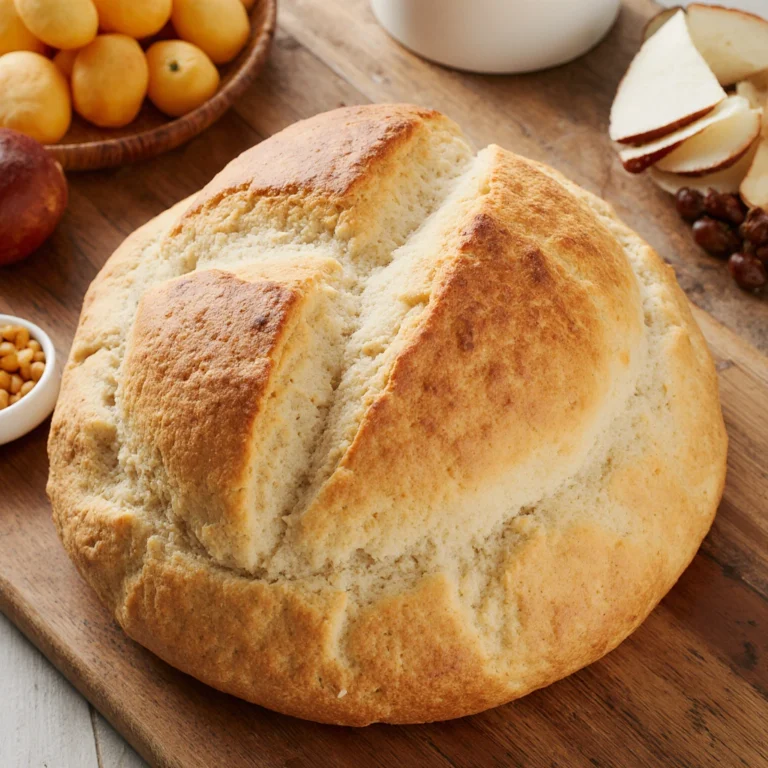
Baking an einkorn bread recipe at home is easier than you might think, and the rewards are absolutely worth the effort. Einkorn, an ancient grain variety that’s been cultivated for over 10,000 years, has experienced a remarkable resurgence among health-conscious bakers and nutritionists. Unlike modern wheat varieties, this heritage grain contains unique gluten structures and higher nutritional density, making it a fantastic choice for anyone interested in traditional breadmaking. Whether you’re seeking a more digestible alternative to conventional bread or simply want to explore the authentic flavors of heritage grains, this comprehensive einkorn bread recipe guide will walk you through every step of the process.
Ingredients List
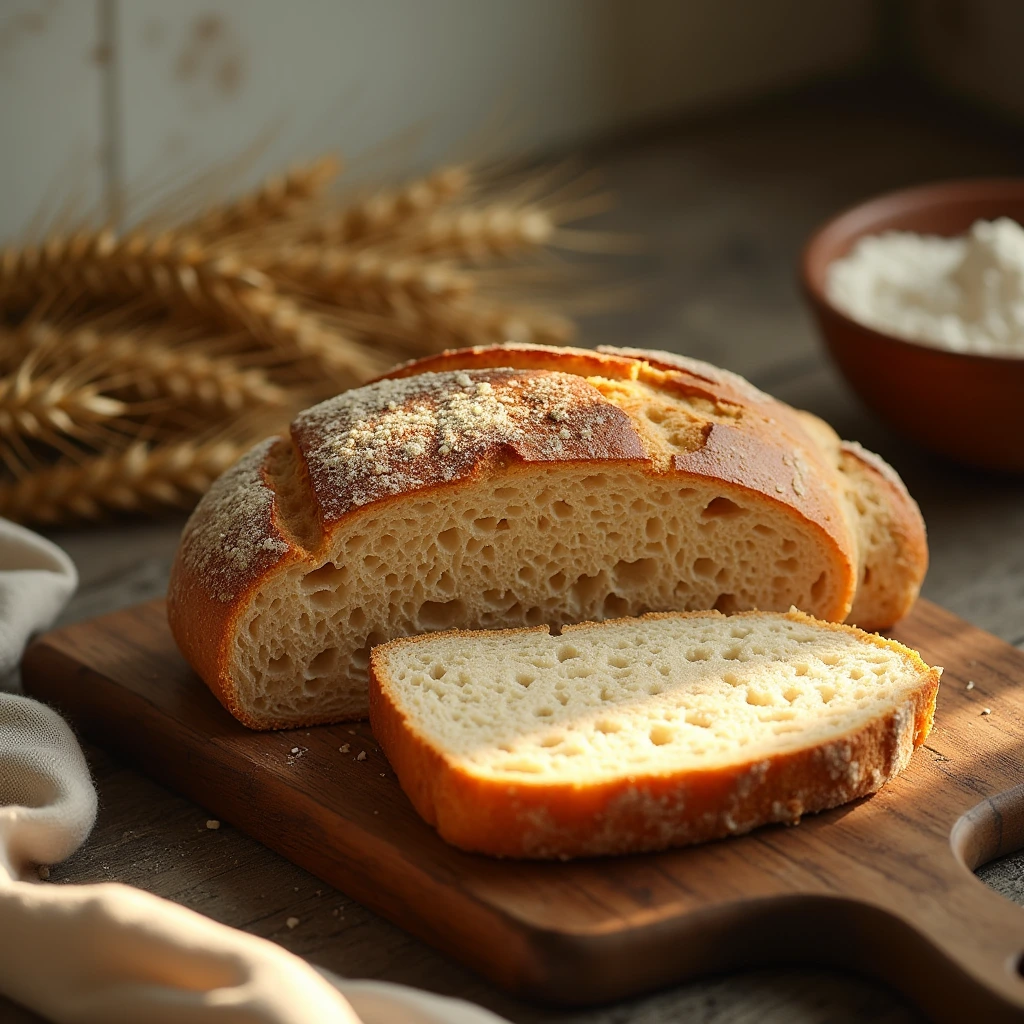
Here are all the ingredients you’ll need to create a delicious loaf of homemade einkorn bread:
For the Dough:
- 3 cups (360g) einkorn flour (whole grain or white einkorn flour both work beautifully)
- 1¼ cups (300ml) filtered water or room-temperature tap water
- 1½ teaspoons fine sea salt
- ½ teaspoon instant yeast (or ¼ teaspoon if using a slower fermentation method)
- 1 tablespoon honey or agave nectar (optional, but enhances browning and subtle sweetness)
Optional Add-ins for Flavor Variations:
- 2 tablespoons whole seeds (sunflower, pumpkin, or sesame)
- 1 tablespoon olive oil (for richness and extended shelf life)
- ½ teaspoon caraway seeds or dried herbs de Provence
- 2 tablespoons sprouted einkorn flour (for enhanced digestibility)
Ingredient Substitution Guide:
If einkorn flour isn’t available in your area, you can substitute with spelt flour (though the texture will be slightly different), or use a 70/30 blend of einkorn and all-purpose wheat flour. For those avoiding commercial yeast, a sourdough starter converted to einkorn flour works wonderfully, though fermentation time will extend to 12-24 hours.
Timing
Understanding the timeline for your einkorn bread recipe helps you plan your baking day perfectly:
- Prep Time: 15 minutes
- Active Kneading Time: 8-10 minutes
- First Rise (Bulk Fermentation): 4-6 hours at room temperature (65-72°F)
- Shaping and Final Proof: 10 minutes for shaping plus 30-45 minutes for final proofing
- Baking Time: 35-40 minutes
- Cooling Time: 30 minutes before slicing
- Total Time: Approximately 5.5-7.5 hours (depending on ambient temperature)
This timeline is approximately 20% shorter than conventional white bread recipes, largely due to einkorn’s faster fermentation properties. Pro tip: If you’re short on time, you can use the “cold overnight” method, placing your shaped dough in the refrigerator for 8-12 hours, which develops deeper flavor complexity while fitting into your schedule.
Step-by-Step Instructions
Step 1: Mix Your Dough with Intention
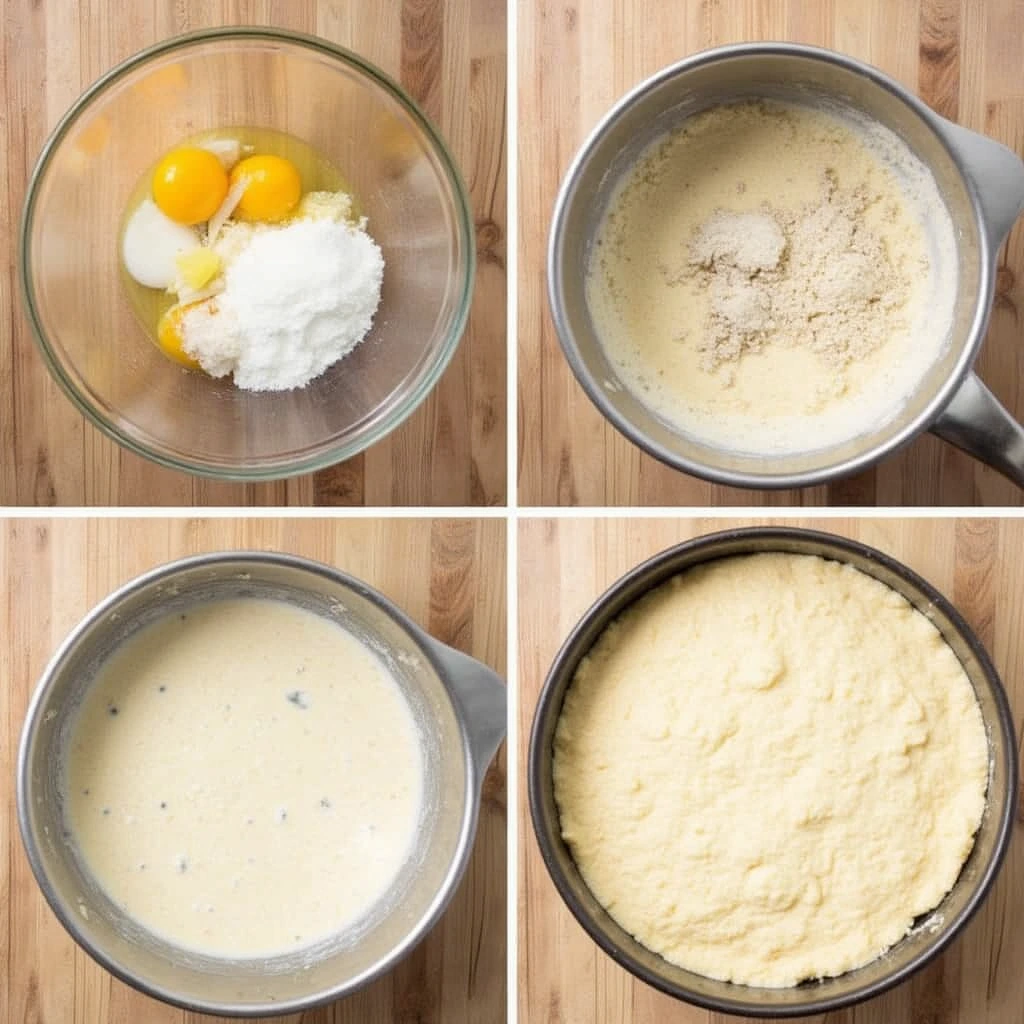
Begin by combining your filtered water and einkorn flour in a large mixing bowl. Yes, we’re starting with the flour and water first—this creates what bakers call an “autolyse,” allowing the einkorn flour to fully hydrate. Stir these two ingredients together until a shaggy, wet dough forms (it will look somewhat rough and uneven, and that’s exactly right). Cover the bowl with a damp kitchen towel and let this mixture rest for 20-30 minutes. This resting period significantly improves gluten development and makes the subsequent kneading much easier. During this time, the flour absorbs moisture evenly, resulting in a more open crumb structure.
Step 2: Incorporate Salt and Yeast
After the autolyse rest, sprinkle your sea salt and instant yeast directly onto the dough. Using your wet hands (this prevents sticking), begin folding and squeezing the dough in the bowl. Press the dough against the bowl’s sides, using a pushing motion with the heel of your hand. Continue this folding technique for 8-10 minutes until the dough becomes smooth, slightly elastic, and pulls away from the bowl cleanly. The dough should feel soft and supple—einkorn doughs tend to be slightly stickier than conventional wheat, so embrace this characteristic rather than fighting it with excessive flour.
Pro Tip: If you’re uncomfortable working with sticky dough, wet your hands instead of adding flour. This preserves the hydration ratio and yields a superior crumb structure.
Step 3: Monitor the Bulk Fermentation Phase
Transfer your dough to a lightly oiled bowl (or keep it in the same bowl), cover it with a damp cloth, and let it rise at room temperature. Einkorn ferments more actively than regular wheat—you’ll notice visible bubbling and growth within 2-3 hours. Set a timer and perform “stretch and folds” at the 1-hour and 2-hour marks. To do this, wet your hand, grab a portion of dough from the side, stretch it up and over the center, then rotate the bowl and repeat. These stretch-and-fold motions build structure without traditional kneading. The bulk fermentation is complete when the dough has increased by 50-75% in volume and contains visible air pockets throughout.
Visual Cue: The dough should jiggle slightly when you shake the bowl—this indicates proper fermentation development.
Step 4: Preshape and Brief Rest
Turn your fermented dough onto a lightly floured surface. Using a bench scraper, gently shape it into a round, loose ball without degassing it too much. Let this preshaped dough rest for 10 minutes—this is called the “bench rest” and it’s absolutely crucial. During this period, the gluten network relaxes and firms up, making the final shaping much easier and more effective.
Step 5: Final Shaping for Visual Appeal
After the 10-minute rest, shape your dough into either a round boule or an oval batard (baguette-style). For a boule: flip the dough seam-side up, fold the edges toward the center using a rolling motion, creating tension on the surface. For a batard: roll the dough tightly from one end to the other, pinching the seam as you go. Place your shaped dough seam-side up in a banneton (proofing basket) or a bowl lined with a floured kitchen towel.
The Shape Science: A tighter surface tension creates better oven spring and a more attractive scored design during baking.
Step 6: Final Proof with Precision
Cover your shaped dough with the damp towel and let it proof for 30-45 minutes at room temperature. Here’s how to judge readiness: gently press your finger into the dough about ½-inch deep. If the indentation springs back slowly (leaving about 80% of the original shape), it’s perfectly proofed. If it springs back quickly, it needs more time. If it springs back slowly and barely at all, you may have overproofed it (though with einkorn’s forgiving nature, this is less of a concern).
Step 7: Prepare Your Oven and Score with Confidence
About 45 minutes before baking, preheat your oven to 450°F (230°C). Place a Dutch oven or covered baking stone inside to preheat as well. The residual heat creates steam during the first part of baking, which is essential for proper crust development and oven spring.
Turn your proofed dough onto parchment paper. Using a lame (bread knife) or sharp serrated knife, score the top with one confident slash at a 30-degree angle, creating a ¼-inch-deep cut. This controlled cut directs where the dough will expand, creating that beautiful “ear” feature and allowing steam to escape.
Step 8: Bake with Steam and Confidence
Carefully transfer your dough (still on parchment paper) into your preheated Dutch oven. Cover it (if using a Dutch oven, just place the lid on; if using a baking stone, create a steam chamber with foil or a baking pan). Bake covered for 20 minutes. Remove the cover and bake for an additional 15-20 minutes until the crust turns deep golden brown. The internal temperature should reach 205-210°F (96-99°C) when measured with a bread thermometer inserted into the thickest part of the loaf.
Sensory Indicators: Your kitchen should smell absolutely incredible—like caramelized honey and toasted grain. Listen for slight crackling sounds as the bread cools—these indicate proper fermentation and baking.
Step 9: Cool Before Cutting—The Final Crucial Step
Remove the bread from the oven and transfer it to a wire rack. This is the hardest part—resist the urge to slice into it immediately! Allow the bread to cool completely for at least 30 minutes, ideally 45 minutes. During cooling, the internal structure sets and the crumb becomes properly sliceable rather than gummy. Cutting warm bread disrupts this process and creates an unpleasant texture.
Nutritional Information
Einkorn bread offers impressive nutritional density compared to modern wheat varieties. Per 100g serving of homemade einkorn bread (approximately one thick slice):
- Calories: 280-320 kcal
-
Total Carbohydrates: 52-56g
- Dietary Fiber: 6-8g (providing 20-25% of daily recommended intake)
- Sugars: 2-3g
- Protein: 10-12g (notably higher than conventional bread)
-
Total Fat: 1.5-2g
- Saturated Fat: 0.3g
- Polyunsaturated Fat: 0.8g
- Monounsaturated Fat: 0.4g
- Sodium: 380-420mg
-
Minerals:
- Iron: 3.2-3.8mg (18-21% of daily value)
- Magnesium: 95-110mg (23-28% of daily value)
- Phosphorus: 280-320mg (28-32% of daily value)
- Manganese: 1.8-2.1mg (90-105% of daily value)
- Zinc: 2.2-2.6mg (20-24% of daily value)
-
Vitamins:
- B1 (Thiamine): 0.35-0.42mg (29-35% of daily value)
- B3 (Niacin): 4.5-5.2mg (23-26% of daily value)
Nutritional Note: Einkorn flour’s gluten composition differs significantly from modern wheat. While it still contains gluten (unsuitable for those with celiac disease), many individuals with gluten sensitivity report better digestibility with einkorn products.
Healthier Alternatives for the Recipe
Whole Grain Enhancement
Substitute up to 30% of white einkorn flour with whole grain einkorn flour to increase fiber content by approximately 3-4g per serving. This also deepens the nutty flavor profile and adds a pleasant earthiness.
Reduced Sodium Version
Cut salt to 1 teaspoon for a lighter version. This reduces sodium by about 100mg per serving while maintaining the bread’s structural integrity.
Added Seed Power
Incorporate 2-3 tablespoons of a seed mixture (flax, chia, sunflower, and pumpkin seeds) to boost omega-3 fatty acids, minerals, and fiber. Add seeds during the dough mixing stage or press them into the shaped dough before final proofing.
Sprouted Einkorn Option
Use 50% sprouted einkorn flour combined with 50% regular einkorn flour. Sprouted grains have enhanced amino acid profiles, increased mineral bioavailability, and improved digestibility. Sprouted flour hydrates differently, so reduce water by approximately 2 tablespoons.
Sourdough Variation
Replace instant yeast with ½ cup active sourdough starter (fed and bubbly). Extend bulk fermentation to 6-8 hours and final proof to 60-90 minutes. Sourdough fermentation naturally reduces phytic acid, improving mineral absorption by up to 40%.
Enriched Version for Special Occasions
Add one egg yolk, 2 tablespoons honey, and 1 tablespoon softened butter to create a slightly enriched dough with improved flavor and a finer crumb. This variation is excellent for weekend brunch settings.
Serving Suggestions
Your freshly baked einkorn bread deserves thoughtful serving presentations:
Classic Breakfast Pairings
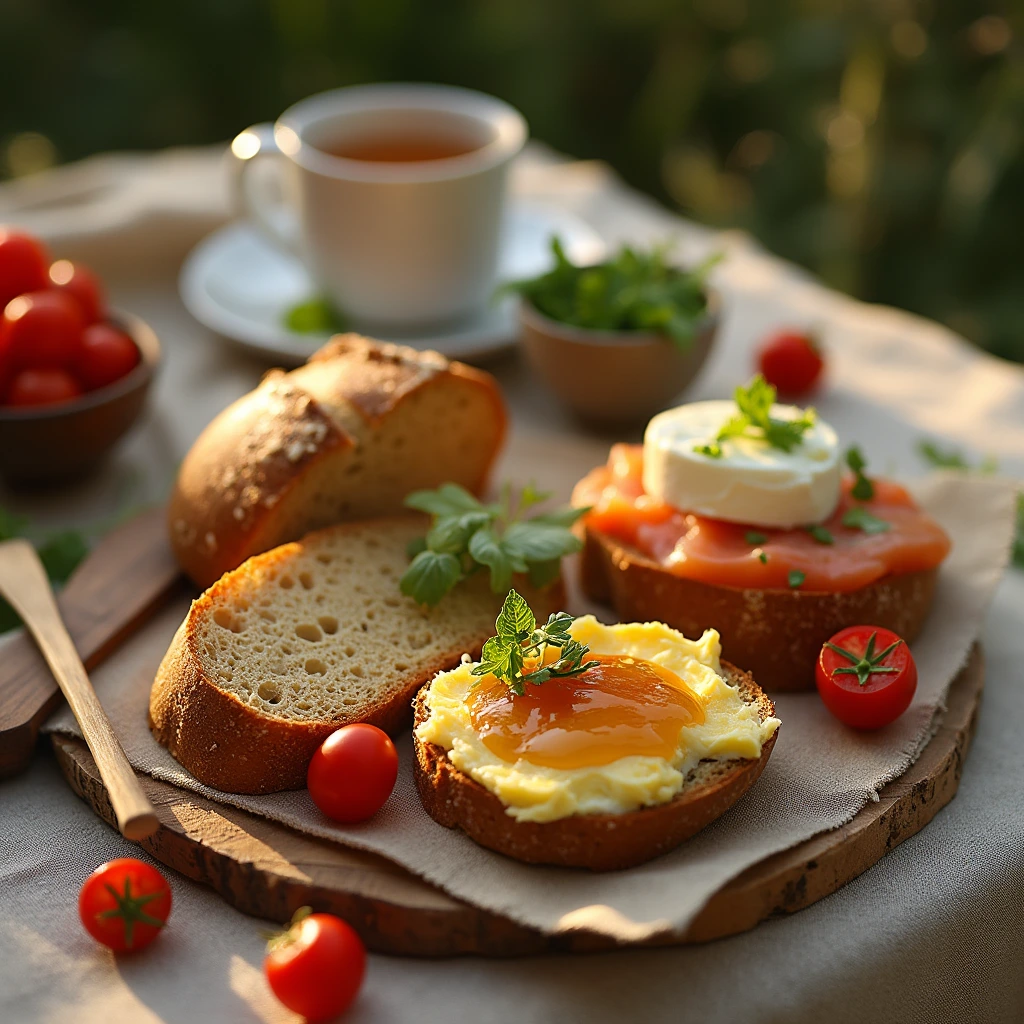
Slice warm bread and top with cultured butter and local honey, or create an open-faced sandwich with creamy goat cheese, sliced tomato, fresh basil, and a drizzle of olive oil. The bread’s subtle nuttiness complements both sweet and savory toppings beautifully.
Gourmet Lunch Ideas
Use thick slices as the foundation for tartines (open-faced sandwiches) with avocado, smoked salmon, and dill, or layer with roasted vegetables, hummus, and crispy greens for a satisfying vegetarian option.
Soup and Stew Companion
Serve toasted slices alongside creamy vegetable soups, hearty bean stews, or Italian tomato-based minestrone. The bread’s structure holds up well to dunking without becoming soggy.
Breadcrumbs and Croutons
Let day-old bread dry completely, then pulse in a food processor for homemade breadcrumbs. Or cut into cubes, toss with olive oil and herbs, and bake at 375°F for 12-15 minutes for gourmet croutons.
Charcuterie Board Star
Slice into rustic irregular pieces and feature prominently on charcuterie boards alongside artisan cheeses, cured meats, olives, and preserved vegetables.
Breakfast Bread Pudding
Day-old bread transforms into a luxurious bread pudding. Cube the bread, layer in a baking dish with a custard mixture (eggs, milk, honey, vanilla), and bake for a comforting dessert or special brunch dish.
Common Mistakes to Avoid
Mistake 1: Overhydration Without Technique
Many new einkorn bakers add too much water, resulting in dough that’s difficult to manage. Einkorn flour is more absorbent than modern wheat varieties—the 1¼ cups water in this recipe is intentionally measured. If your dough seems too wet, resist the urge to add flour; instead, master the wet-dough handling techniques described in the instructions.
Mistake 2: Skipping the Autolyse
The 20-30 minute rest after mixing flour and water isn’t optional—it’s transformative. This period allows full hydration and significantly improves final texture. Skipping this step typically results in a denser, less open crumb.
Mistake 3: Temperature Neglect
Fermentation speed varies dramatically with ambient temperature. In a cool kitchen (60°F), bulk fermentation might take 8+ hours. In a warm kitchen (75°F), it might complete in 3-4 hours. Use visual cues rather than strict timing for best results.
Mistake 4: Over-Handling During Shaping
Einkorn doughs, particularly those made with whole grain flour, benefit from gentle handling. Excessive manipulation during shaping can knock out gas bubbles and create a dense final crumb. Use the minimum handling necessary.
Mistake 5: Baking Without Steam
Steam is crucial for proper crust development and oven spring. Never skip the Dutch oven or steaming method. The trapped steam gelatinizes surface starches, creating that desirable crispy crust.
Mistake 6: Slicing Too Soon
The temptation is real, but cutting into warm bread is the enemy of proper crumb structure. Completely cooled bread slices cleanly without crumbling or creating gummy interior sections.
Mistake 7: Insufficient Scoring
A confident, deep score (¼-inch depth) guides expansion and creates the attractive “ear” that professional bakers prize. A timid shallow score often creates unpredictable tearing.
Storing Tips for the Recipe
Short-Term Storage (2-3 Days)
Wrap completely cooled bread in a clean kitchen towel or place it in a bread bag at room temperature. Store in your coolest location away from direct sunlight. A cut side covered with plastic wrap shows respect for freshness while allowing air circulation.
Extended Storage (Up to 1 Week)
Once bread reaches room temperature, slice it completely and freeze slices in an airtight freezer bag with parchment paper between slices (preventing them from sticking together). Individual slices toast beautifully directly from the freezer.
Reviving Day-Old Bread
Lightly mist room-temperature bread with water and warm it in a 350°F oven for 5-7 minutes. This revives the crust’s crispness and slightly softens the interior.
Dough Preparation Ahead
You can prepare the dough through the bulk fermentation stage, then refrigerate it for up to 24 hours. Shape directly from the refrigerator and allow it to come to room temperature before final proofing (adds 15-20 minutes to the process). This creates deeper flavor development.
Ingredient Prep
Store einkorn flour in an airtight container in your pantry or refrigerator. Because einkorn contains slightly more fat than modern wheat, refrigerator storage extends shelf life to 3-4 months compared to 1-2 months at room temperature.
Conclusion
Mastering the einkorn bread recipe opens a delightful door to heritage grain baking and nutritional benefits. This ancient grain offers digestibility advantages, superior mineral content, and authentic flavor that resonates with both traditional bakers and health-conscious home cooks. By following these detailed steps, understanding the science behind each stage, and avoiding common pitfalls, you’ll produce stunning, delicious loaves that rival professional bakery standards. The journey from simple ingredients to aromatic, beautiful bread is profoundly rewarding.
Ready to bake? Try this einkorn bread recipe today and experience the difference heritage grains make in your kitchen. Share your baking results and photos in the comments section below—we’d love to hear about your einkorn adventures! Don’t forget to subscribe to our blog for exclusive recipes, baking tips, and updates on heritage grain cooking. Your next favorite bread is just one bake away!
Best Amazon Picks :
- Traeger Grills.
- HONGBAKE 3-Piece Nonstick Baking Sheet Set, Champagne Gold.
- Amazon Basics Rectangular Baking Bread
Frequently Asked Questions
Q: Can I use regular all-purpose flour instead of einkorn flour?
A: While you technically can substitute all-purpose flour, the distinctive nutritional profile and flavor of einkorn will be lost. If einkorn isn’t available locally, order online from specialty grain suppliers or try a spelt flour alternative, keeping in mind the texture and taste will differ noticeably. The whole point of an einkorn bread recipe is experiencing the unique characteristics this heritage grain offers.
Q: Is einkorn bread suitable for people with gluten sensitivity?
A: Einkorn contains gluten and is absolutely not safe for those with celiac disease. However, individuals with non-celiac gluten sensitivity sometimes report better digestibility with einkorn compared to modern wheat. This is due to einkorn’s different gluten structure. Always consult healthcare providers before changing grain consumption if you have diagnosed gluten-related conditions.
Q: How do I know if my dough is properly fermented?
A: Visual cues are your best guide. The dough should increase 50-75% in volume, show visible bubbles throughout, and jiggle slightly when you shake the bowl. The “poke test” is reliable: gently press your finger ½-inch into the dough. If the indentation springs back slowly (leaving about 80% of the original shape), fermentation is complete. If it springs back immediately, ferment longer. If barely springs back, it may be overproofed (though einkorn is forgiving).
Q: What’s the difference between white and whole grain einkorn flour?
A: White einkorn flour uses only the endosperm (grain interior), creating a lighter color, milder flavor, and slightly less fiber. Whole grain einkorn flour uses the entire kernel including the bran and germ, offering more fiber, minerals, and a deeper, nuttier flavor. For beginners, white einkorn is more forgiving. Experienced bakers often prefer whole grain for its nutritional density and distinctive taste.
Q: Can I use a bread machine for this einkorn bread recipe?
A: Most bread machines aren’t ideal for einkorn because the dough requires gentle handling and variable fermentation timing. The stretching-and-folding technique used in this recipe (rather than aggressive mixing) produces superior results. However, if you want to use a bread machine, select the “whole wheat” or “gentle” setting and reduce water by 2 tablespoons, as einkorn hydration requirements differ from standard wheat.
Q: Why is my einkorn bread dense rather than open-crumbed?
A: Dense crumb usually results from insufficient fermentation, over-handling during shaping, inadequate steam during baking, or skipping the autolyse rest. Verify that your bulk fermentation achieved 50-75% volume increase and that you’re using steam for baking. The autolyse rest is non-negotiable for open crumb structure.
Q: How long does einkorn bread stay fresh?
A: Properly stored einkorn bread remains fresh for 2-3 days at room temperature and up to 1 week frozen. The absence of commercial preservatives means this bread eventually goes stale, but you can revive it by misting with water and warming briefly in the oven. Day-old bread makes excellent toast, breadcrumbs, or bread pudding, so nothing goes to waste.
Q: Is einkorn more expensive than regular wheat flour?
A: Yes, einkorn flour typically costs 2-3 times more than conventional all-purpose flour because it’s a specialty crop produced in smaller quantities. However, this single loaf recipe yields approximately 8-10 servings, making the per-serving cost reasonable for a premium, nutritionally dense, artisanal product. Many bakers consider the superior flavor and health benefits worth the investment.
Q: Can I make sourdough with einkorn?
A: Absolutely! Convert your existing sourdough starter by feeding it einkorn flour for 3-4 consecutive feedings until it reliably doubles within 4-6 hours. Use ½ cup active starter to replace the instant yeast and extend fermentation times by 2-3 hours. The result is exceptional einkorn sourdough with enhanced digestibility and complexity.
Q: What’s the ideal kitchen temperature for einkorn fermentation?
A: The sweet spot is 68-72°F (20-22°C). At this temperature range, you’ll achieve proper fermentation speed (4-6 hours bulk fermentation, 30-45 minute final proof) with optimal flavor development. Cooler kitchens slow fermentation (excellent for flavor but longer timing), while warmer kitchens accelerate it (faster but potentially less complex flavor). Monitor visual cues rather than strict timing.
Disclaimer: Nutritional information is approximate based on standard einkorn flour composition and typical recipe yields. Actual values vary based on specific flour brands, hydration levels, and baking conditions. This recipe is suitable for vegetarians and can be easily adapted for various dietary preferences.