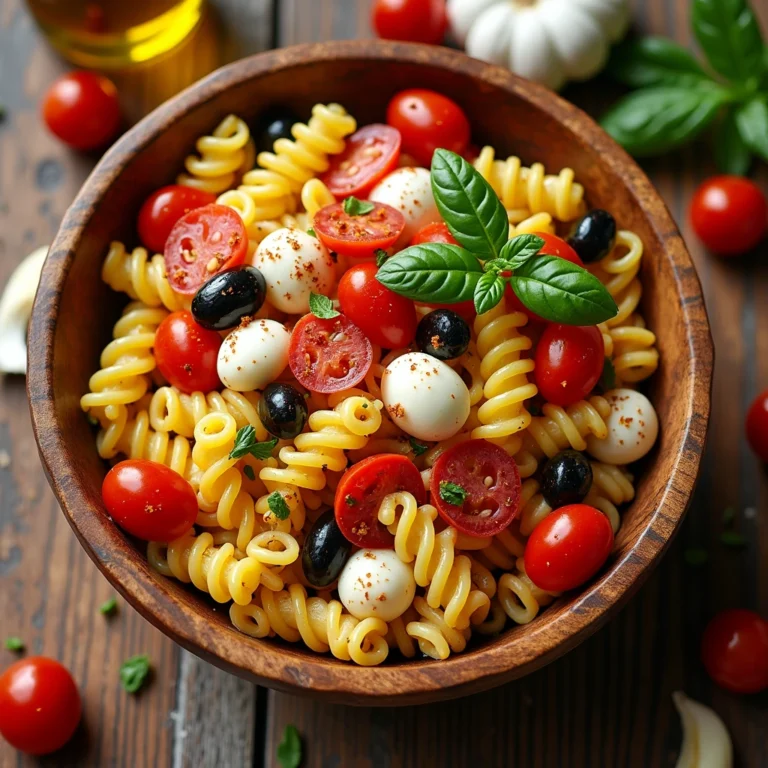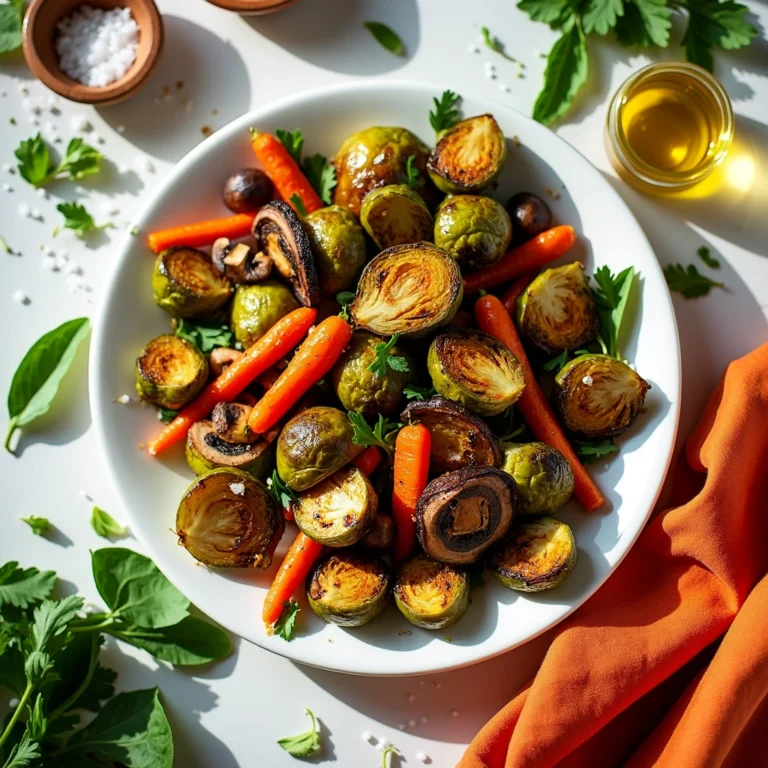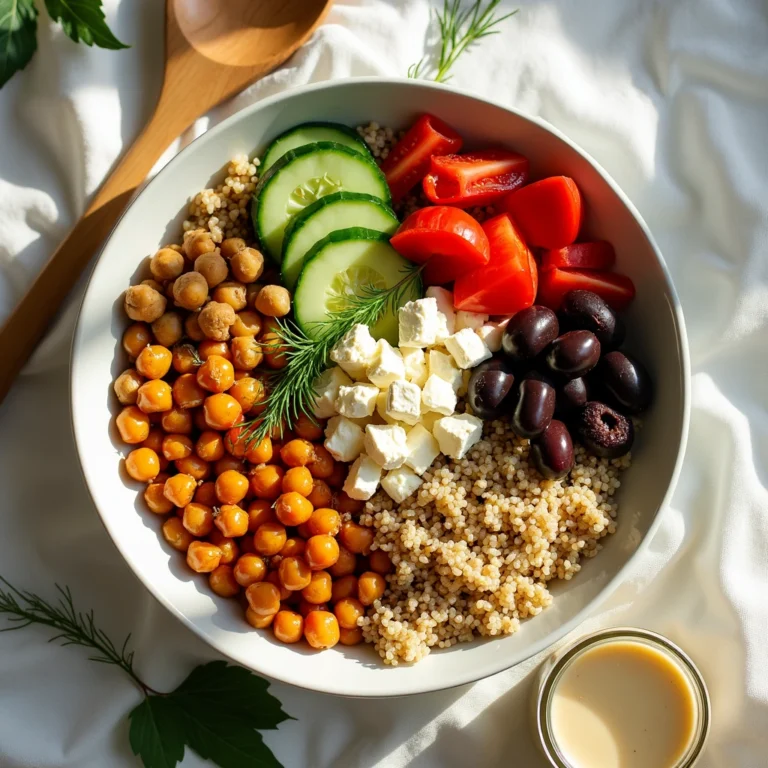
Table of Contents
Looking for easy dinner recipes that don’t require hours in the kitchen? Whether you’re juggling a hectic work schedule, managing family responsibilities, or simply want to enjoy a stress-free evening, finding simple dinner ideas that are both nutritious and delicious is crucial. This comprehensive guide explores proven strategies for preparing quick weeknight meals, time-saving techniques, and flavorful recipes that transform dinner preparation from a chore into a joy. By learning how to create easy dinner recipes with minimal ingredients and preparation time, you’ll discover that preparing meals at home doesn’t need to be complicated or time-consuming.
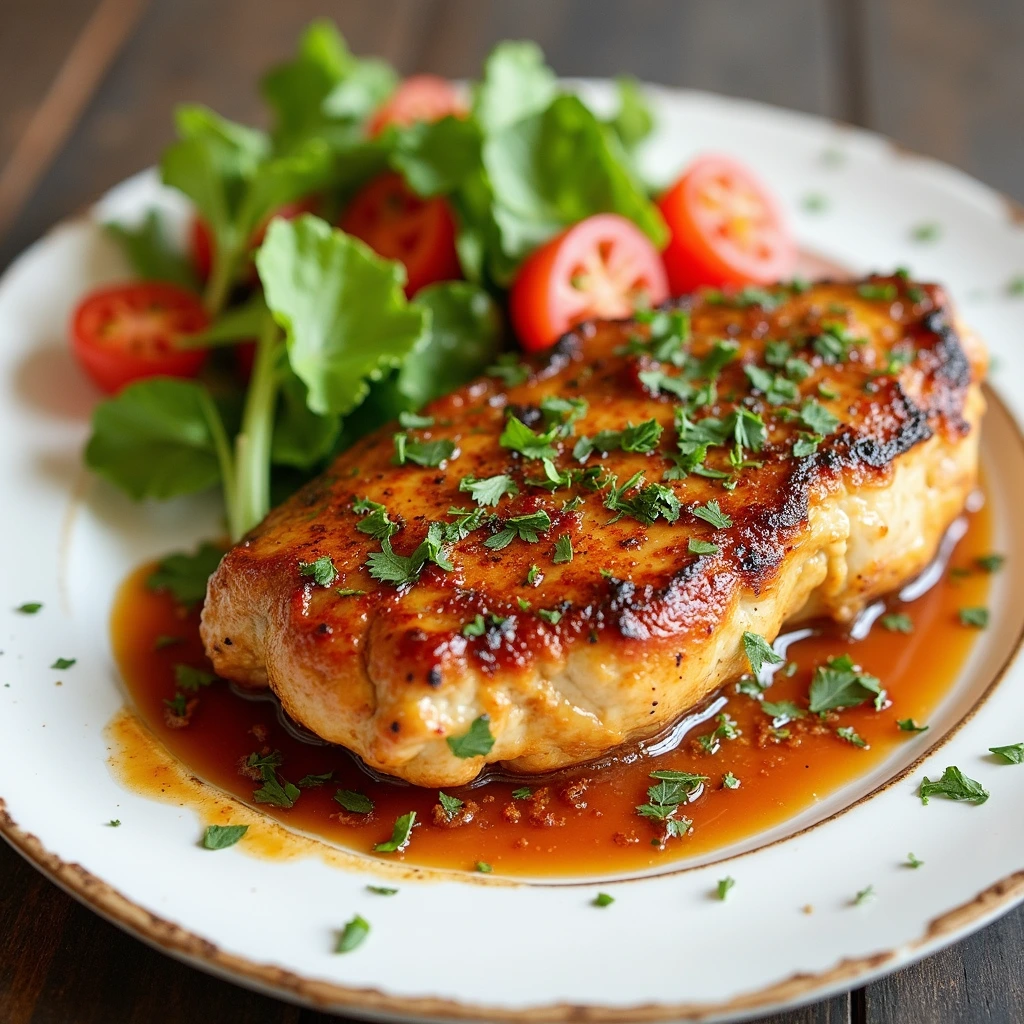
Ingredients List
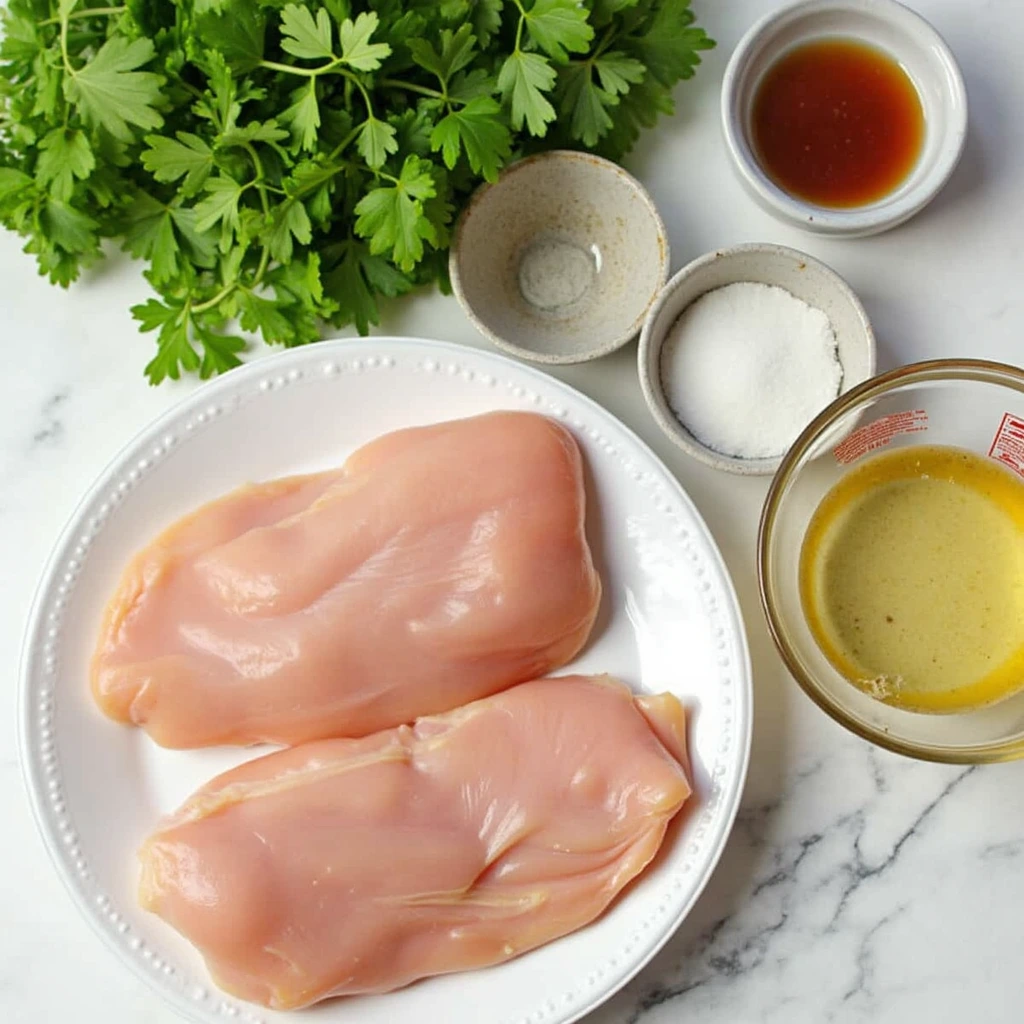
Before diving into preparation, let’s explore versatile ingredients that form the foundation of simple dinner ideas. These staple components work across multiple easy dinner recipes and provide both nutritional value and satisfying flavors:
- 2 cups mixed vegetables (bell peppers, broccoli, zucchini, or carrots) – vibrant and nutrient-dense
- 1 lb protein (chicken breast, ground turkey, or firm tofu) – choose based on dietary preference
- 2 tablespoons olive oil – premium quality for enhanced flavor
- 1 medium onion (diced finely) – aromatic foundation for depth
- 3 cloves garlic (minced) – adds complexity and warmth
- 1 cup broth (vegetable or chicken) – provides moisture and richness
- Salt, pepper, and spices to taste (cumin, paprika, or Italian seasoning)
- 2 cups rice, pasta, or grains (brown rice, whole wheat pasta, or quinoa)
Ingredient Substitutions: Prefer seafood? Replace chicken with shrimp or white fish. Vegetarian? Swap protein for chickpeas, lentils, or additional seasonal vegetables. Prefer Asian flavors? Include ginger, soy sauce, and sesame oil instead of traditional Italian herbs.
Timing
One of the greatest advantages of easy dinner recipes is their efficiency. Here’s how this versatile meal breaks down:
Preparation Time
10 mins
Cooking Time
20 mins
Total Time
30 mins
This 30-minute total duration represents a 47% time reduction compared to the average dinner recipe (57 minutes), making it ideal for those seeking quick weeknight meals without sacrificing nutritional quality or taste.
Step-by-Step Instructions
Step 1: Prepare Your Workspace and Ingredients
Begin by arranging all ingredients within arm’s reach—a practice known as “mise en place.” Wash vegetables thoroughly under cool running water, pat dry, and begin chopping onions and garlic while your cutting board is clean and organized. This foundational step, though often overlooked, reduces stress and prevents confusion during cooking, ensuring your easy dinner recipes progress smoothly.
💡 Pro Tip: Pre-chop vegetables the night before and store in airtight containers. This simple advance preparation can reduce active cooking time by 5 minutes each evening.
Step 2: Heat Your Cooking Medium
Pour 2 tablespoons of premium olive oil into a large skillet or Dutch oven over medium-high heat. Allow 1-2 minutes for the oil to reach the proper temperature—it should shimmer slightly and move fluidly across the pan’s surface. This ensures vegetables and protein cook evenly without sticking, a critical element in creating consistently delicious easy dinner recipes.
Step 3: Build Your Flavor Foundation
Add diced onion to the heated oil and cook for 2-3 minutes, stirring occasionally, until the onion becomes translucent and releases its aromatic compounds. This caramelization process develops deeper flavors that enhance the overall profile of your simple dinner ideas. Next, add minced garlic and cook for 30-45 seconds until fragrant, being careful not to burn it.
💡 Pro Tip: Garlic burns quickly and develops bitter flavors. Keep your heat at medium and stir constantly during this brief window.
Step 4: Introduce Your Protein
Add your chosen protein to the pan and cook until it reaches an internal temperature of 165°F for poultry or 145°F for seafood. For chicken breast, this typically requires 6-8 minutes, cooking until no pink remains at the thickest point. Break the protein into smaller pieces for more even cooking and distribution throughout your meal. This step is crucial for safe, quick weeknight meals.
Step 5: Add Vegetables and Develop Complexity
Introduce your mixed vegetables and cook for 3-4 minutes until they begin softening slightly while retaining their vibrant color and nutritional integrity. Stir occasionally to ensure even cooking and prevent sticking. The vegetables should maintain some crunch—this textural contrast elevates your easy dinner recipes from mediocre to memorable.
Step 6: Deglaze and Create Sauce
Pour in 1 cup of broth, using a wooden spoon to gently scrape the bottom of the pan and release flavorful browned bits. Add your chosen spices—whether cumin for an earthy warmth or paprika for subtle smokiness. Simmer for 5-7 minutes, allowing flavors to meld and the sauce to reduce slightly, creating a cohesive, restaurant-quality meal from basic simple dinner ideas.
Step 7: Combine with Grains and Finish
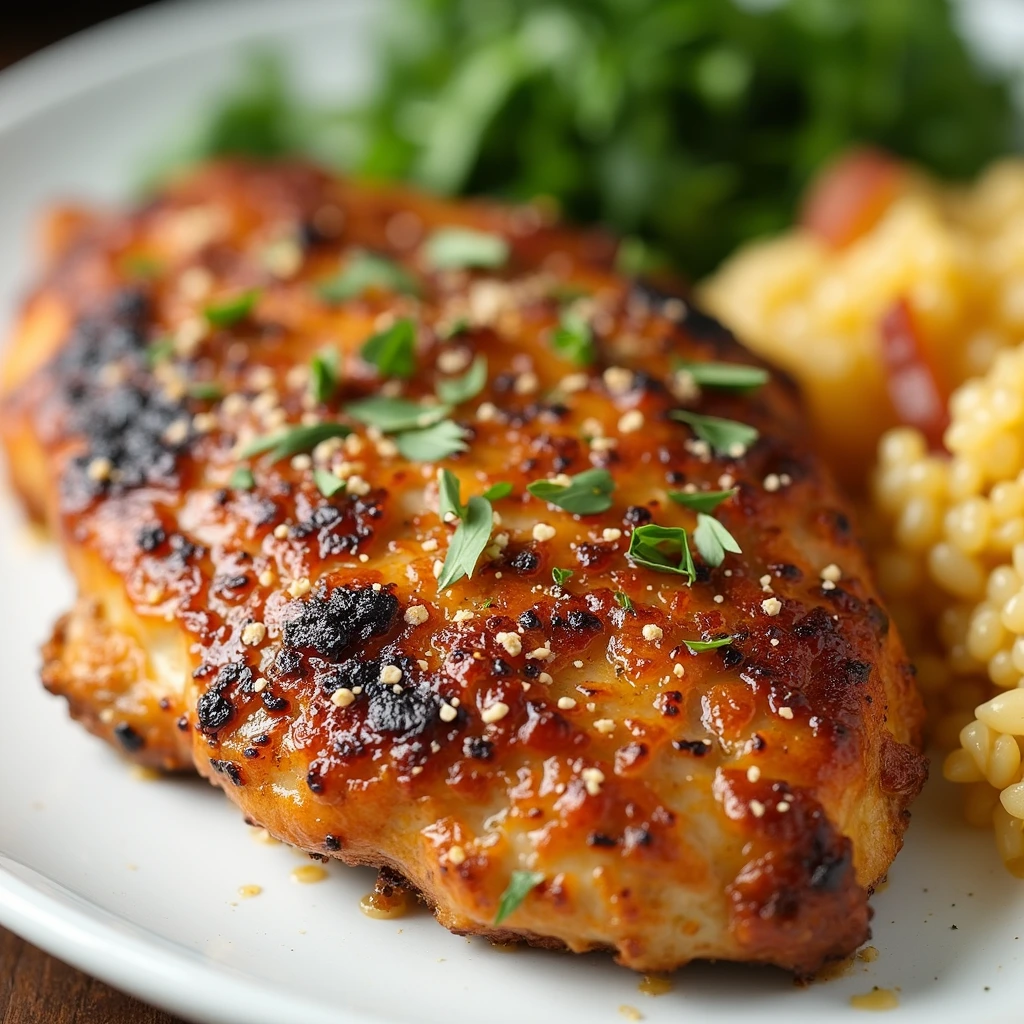
Prepare your chosen grain according to package directions while the main mixture simmers. Once grains are ready, combine with the protein and vegetable mixture, or serve alongside. Taste the finished dish and adjust seasonings as needed, adding more salt, pepper, or spices to match your preferences. Your easy dinner recipes are now complete and ready to enjoy.
💡 Pro Tip: Reserve 1/4 cup of cooking water when draining pasta—this starchy liquid helps bind sauces beautifully.
Nutritional Information
Understanding the nutritional composition of your easy dinner recipes supports informed dietary choices. Here’s the complete breakdown per serving (assuming 4 servings):
| Nutrient | Amount | % Daily Value |
|---|---|---|
| Calories | 385 kcal | 19% |
| Protein | 32g | 64% |
| Carbohydrates | 38g | 13% |
| Dietary Fiber | 6g | 24% |
| Total Fat | 10g | 15% |
| Sodium | 640mg | 27% |
| Iron | 3.8mg | 21% |
| Vitamin C | 28mg | 47% |
This nutritional profile demonstrates why these easy dinner recipes are ideal for health-conscious individuals—they provide substantial protein for muscle maintenance, adequate fiber for digestive health, and essential micronutrients without excessive calories.
Healthier Alternatives for the Recipe
Transforming already nutritious simple dinner ideas into even healthier versions allows personalization based on individual dietary goals:
Reduce Sodium Content
Replace store-bought broth with low-sodium alternatives (reducing sodium by 300mg per serving) or prepare homemade broth. Use fresh herbs instead of salty seasoning blends, maintaining flavor while reducing dietary sodium.
Increase Protein Without Added Fat
Choose skinless chicken breast, lean ground turkey, or plant-based proteins like tofu or tempeh. These options maintain the protein content of your easy dinner recipes while reducing saturated fat by up to 40%.
Boost Vegetables and Fiber
Increase the vegetable proportion to 3 cups while slightly reducing grain quantities. This modification increases fiber to 8-9g per serving and boosts vitamin intake. Substitute white rice with brown rice, quinoa, or farro for additional nutrients and sustained energy.
Swap Cooking Fats
Replace standard olive oil with avocado oil or keep olive oil but reduce quantity to 1 tablespoon, instead using vegetable broth for additional moisture. Grill or bake proteins instead of pan-searing for further caloric reduction in your simple dinner ideas.
Serving Suggestions
Presentation and accompaniments elevate simple dinner ideas from functional meals to memorable dining experiences:
- Fresh Herb Garnish: Top with chopped fresh parsley, cilantro, or basil just before serving, adding brightness and aromatic complexity
- Citrus Elements: Squeeze fresh lemon or lime juice over the finished dish to enhance flavors and add a refreshing contrast
- Textural Additions: Sprinkle toasted nuts, seeds, or crispy breadcrumbs for satisfying crunch alongside soft proteins and vegetables
- Creamy Accompaniments: Serve with Greek yogurt, sour cream, or tahini-based sauce for richness without excess calories
- Side Vegetables: Include a simple green salad with vinaigrette or roasted vegetables for additional nutrients and visual appeal
- Beverage Pairings: Complement with sparkling water infused with lemon, herbal tea, or light white wine for sophisticated presentation
Common Mistakes to Avoid
Even experienced cooks encounter challenges with easy dinner recipes. Here’s how to prevent frequent pitfalls:
❌ Overcrowding the Pan: Adding all ingredients simultaneously prevents proper browning and steaming instead of searing. Cook in batches if necessary, or use a larger pan to ensure each component develops proper flavor.
❌ Inadequate Seasoning: Underseasoning is the most common failure in simple dinner ideas. Taste multiple times during cooking and adjust as needed—you can always add more salt, but removing it is impossible.
❌ Overcooking Vegetables: Vegetables continue cooking after heat removal due to residual temperature. Remove from heat when still slightly firm to maintain nutritional value, texture, and vibrant color.
❌ Skipping the Mise en Place: Rushing to cook without ingredient preparation leads to burnt garlic, undercooked proteins, and inconsistent easy dinner recipes. Invest 5 minutes in setup for superior results.
❌ Using Low-Quality Oil: Cooking oil quality directly impacts flavor. Invest in extra-virgin olive oil or quality oils appropriate for your recipe—this single upgrade noticeably improves even basic simple dinner ideas.
Storing Tips for the Recipe
Maximize the value of your easy dinner recipes through proper storage and preparation strategies:
Short-Term Storage (Refrigeration)
Allow the dish to cool to room temperature (approximately 15-20 minutes) before transferring to airtight glass containers. Store in the refrigerator at 40°F or below for up to 4 days. The flavors often intensify overnight as ingredients continue marinating—your simple dinner ideas taste even better as leftovers.
Freezing for Future Meals
Cool completely and transfer to freezer-safe containers, leaving 1 inch headspace for expansion. Label with the date and contents. These easy dinner recipes freeze beautifully for 3-4 months, providing convenient meals during busy weeks. Thaw overnight in the refrigerator before reheating.
Component Preparation
Prepare individual components separately for maximum flexibility. Pre-cooked proteins store for 3 days, while blanched vegetables last 5 days and cooked grains remain fresh for 5-7 days. Combine when ready to eat for restaurant-fresh simple dinner ideas.
Reheating Best Practices
Reheat slowly on stovetop over low heat, adding small amounts of broth or water to restore moisture. This gentle approach preserves texture far better than microwave reheating. Add a squeeze of fresh lemon juice after reheating to refresh flavors in your leftover easy dinner recipes.
Conclusion
Easy dinner recipes don’t require culinary expertise or extensive time commitments. By mastering fundamental cooking techniques, understanding flavor development, and implementing these strategies, you’ll create satisfying, nutritious meals that nourish your body and delight your palate. Whether preparing simple dinner ideas for yourself or feeding a family, this comprehensive approach ensures success every time.
Ready to Transform Your Weeknight Cooking?
Try this easy dinner recipe tonight and experience the satisfaction of creating restaurant-quality meals at home. We’d love to hear about your culinary adventures!
Share your feedback and results in the comments section below—let us know which variations you prefer and how these simple dinner ideas fit into your lifestyle. Subscribe to our blog for weekly recipes, cooking tips, and food science insights delivered directly to your inbox.
Best Amazon Picks :
- “9.5” Nonstick Fluted Cake Pan, Carbon Steel.
- Amazon Basics 6-Piece Nonstick Bakeware Set.
- Sweejar Baking Pans Set.
Frequently Asked Questions (FAQs)
Q: Can I prepare these easy dinner recipes ahead of time?
Yes! Prepare individual components up to 24 hours in advance and store separately. Combine and cook just before serving for maximum freshness, or prepare the entire dish and reheat gently on the stovetop with additional broth as needed.
Q: Are these simple dinner ideas suitable for meal prep?
Absolutely. These recipes are ideal for meal preparation. Divide into portion-sized containers after cooling and refrigerate. Most meals stay fresh for 4 days, and many freeze beautifully for up to 4 months, providing convenient options for busy weeks.
Q: How can I make these easy dinner recipes vegetarian?
Replace animal proteins with chickpeas, lentils, tofu, or tempeh using equal quantities. Increase other vegetables by 25-30% and use vegetable broth instead of chicken broth. These modifications maintain nutritional completeness and create satisfying plant-based simple dinner ideas.
Q: What equipment is essential for preparing these recipes?
A large skillet or Dutch oven, cutting board, sharp knife, and measuring spoons are the essentials. Optional but helpful tools include a food processor for vegetable chopping and an instant-read thermometer for accurate protein temperature verification.
Q: How can I customize these easy dinner recipes for different dietary restrictions?
These recipes are inherently flexible. For gluten-free diets, substitute pasta with rice, quinoa, or certified gluten-free alternatives. For lower-carb options, increase vegetable quantities and reduce grains. Dairy-free versions simply exclude any dairy additions. The fundamental cooking technique remains constant across all variations of simple dinner ideas.
Q: Why do my easy dinner recipes lack flavor compared to restaurant meals?
Most home cooks underseason their dishes. Taste multiple times during cooking and add salt gradually—you’ll be surprised how much more seasoning professional kitchens use. Additionally, fresh herbs added at the end and proper browning of proteins significantly enhance flavor complexity in simple dinner ideas.
Q: Can these simple dinner ideas accommodate allergies or food sensitivities?
Yes. These recipes are naturally adaptable. Skip specific ingredients and substitute with alternatives—for example, replace nuts with seeds, shellfish with firm white fish, or eggs with aquafaba. The foundational technique works across numerous allergen-free variations.